EXHIBITION DURATION: october 18 – december 12, 2026
EXHIBITION OPENING: october 17 at 5:00 PM
EXHIBITION CURATOR: Natálie kubíková
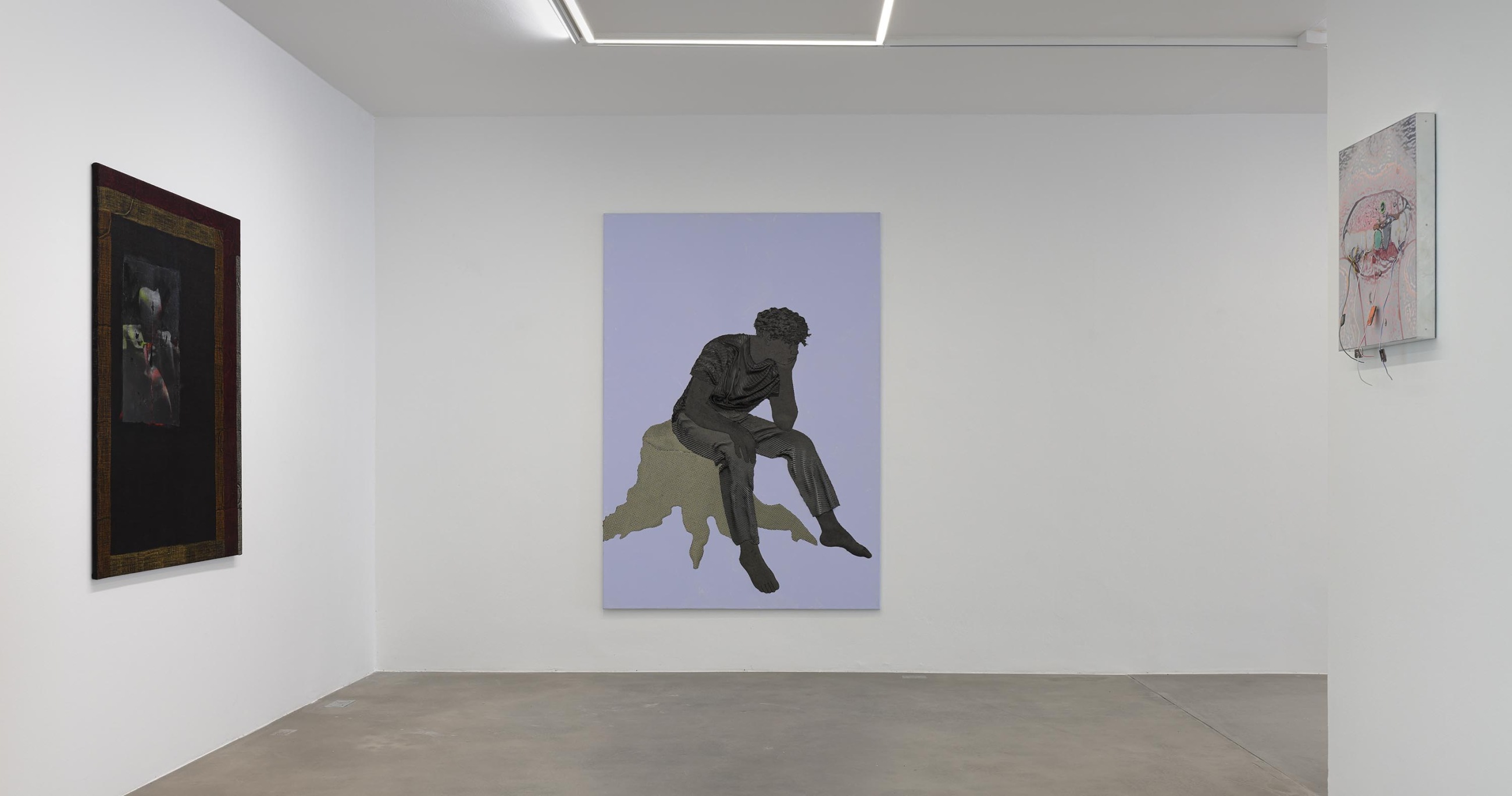
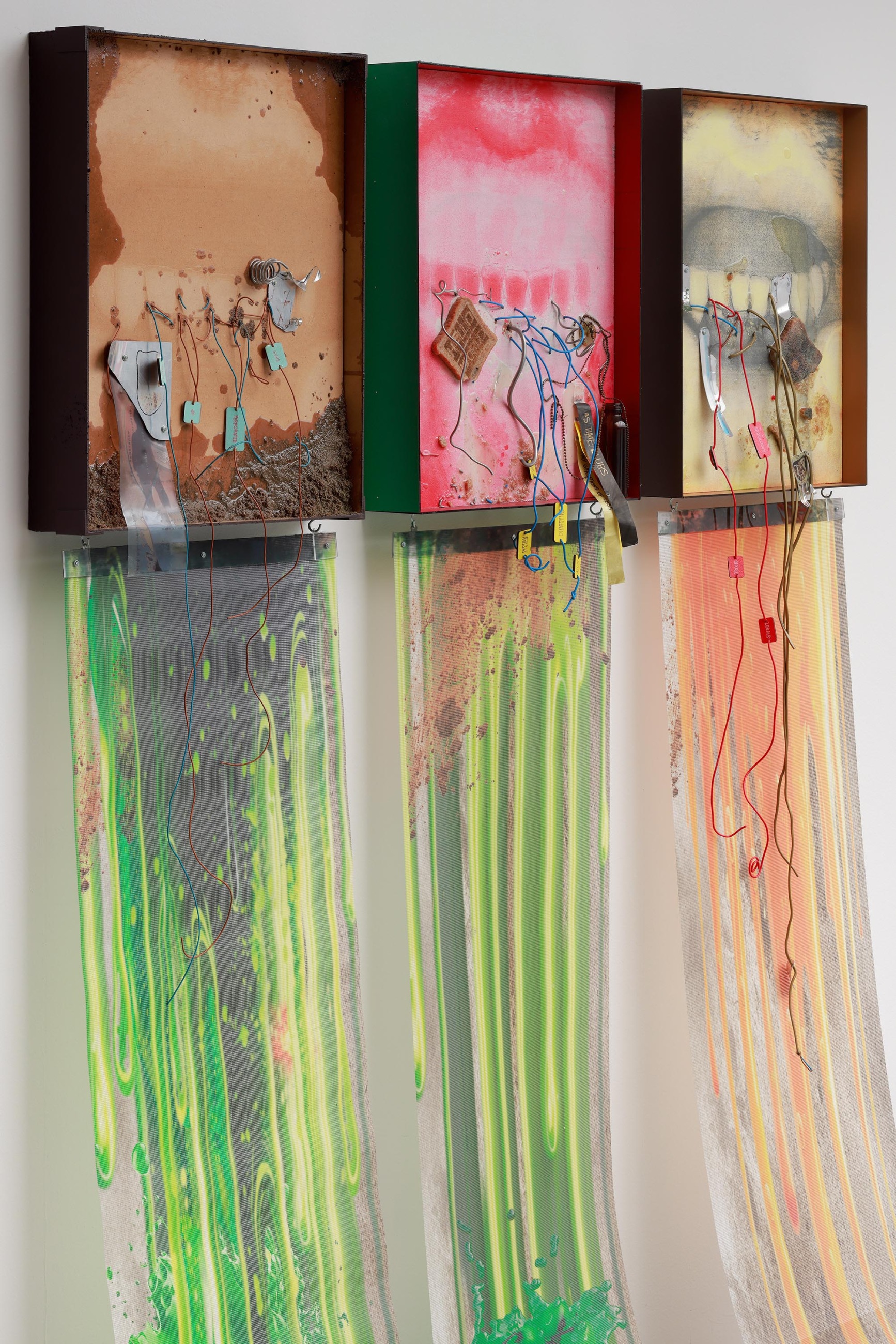
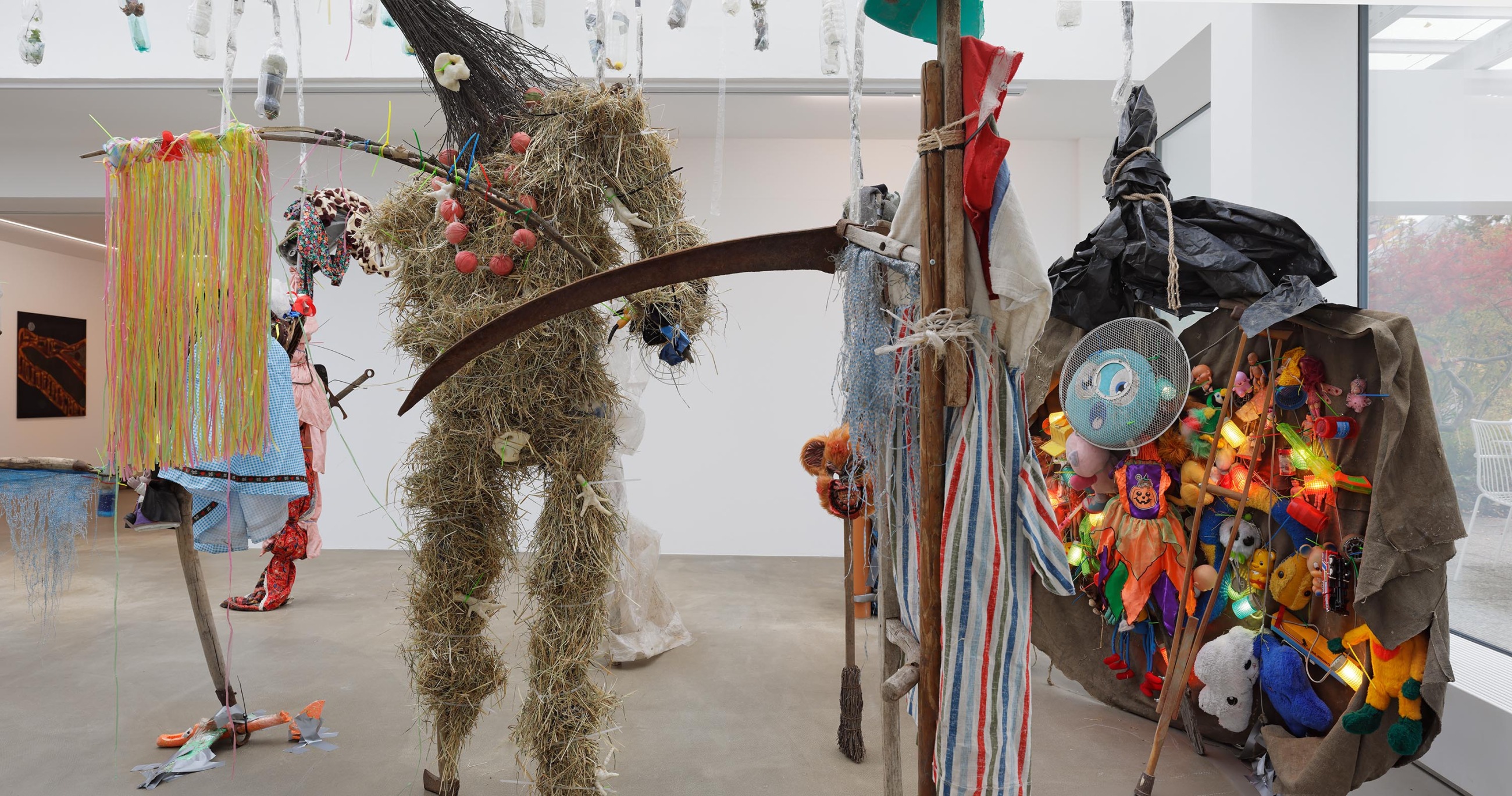
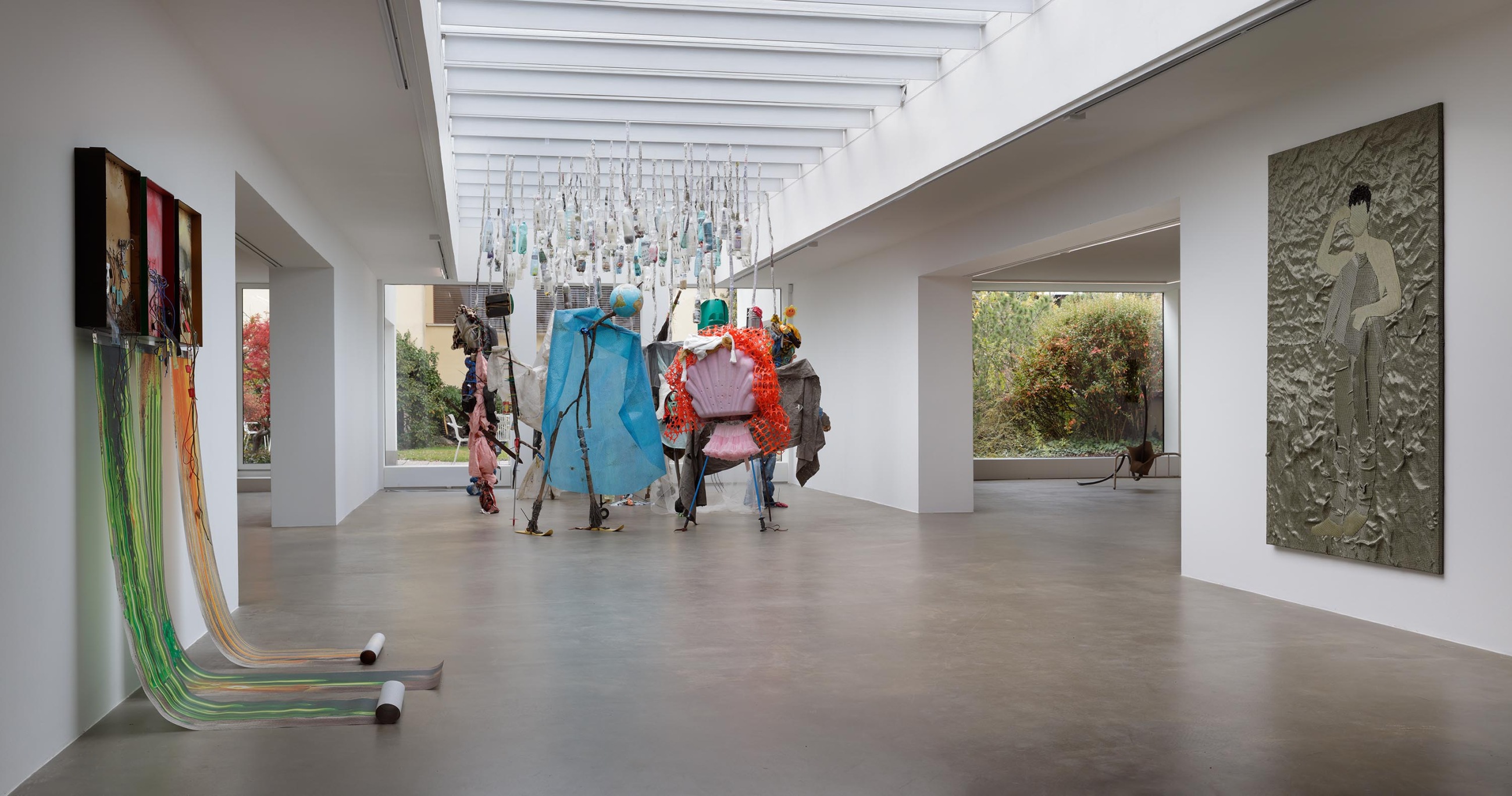
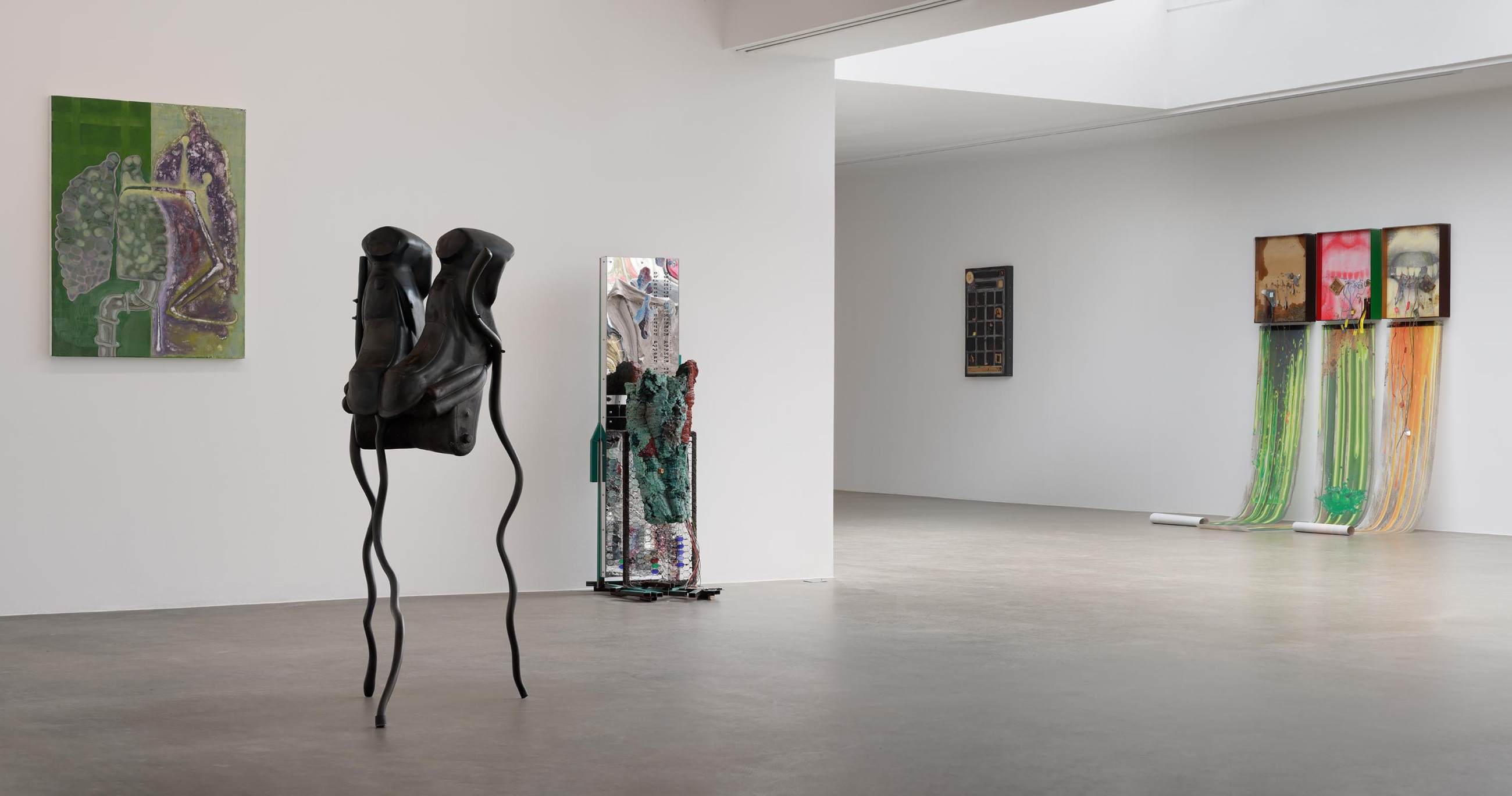
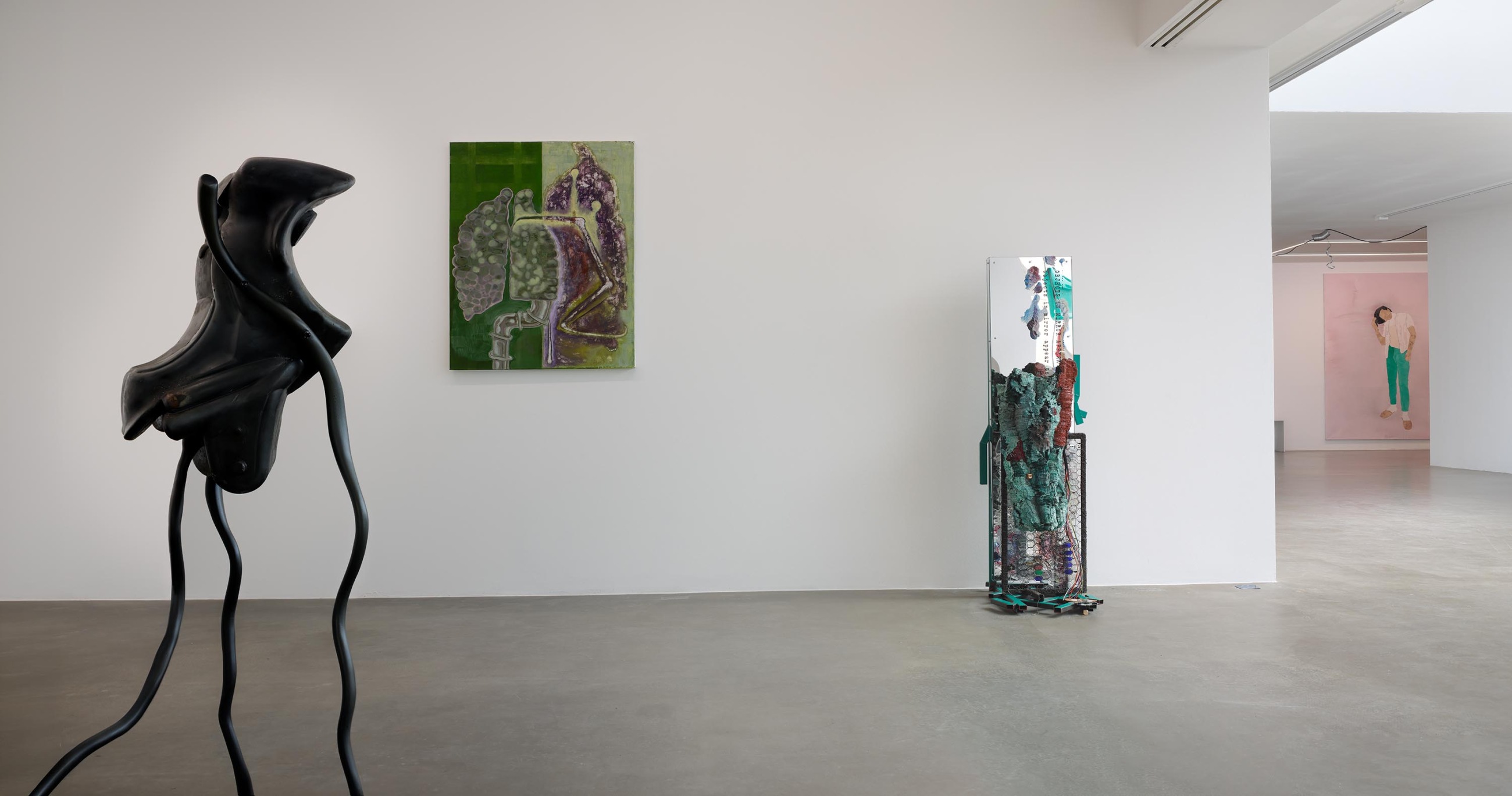
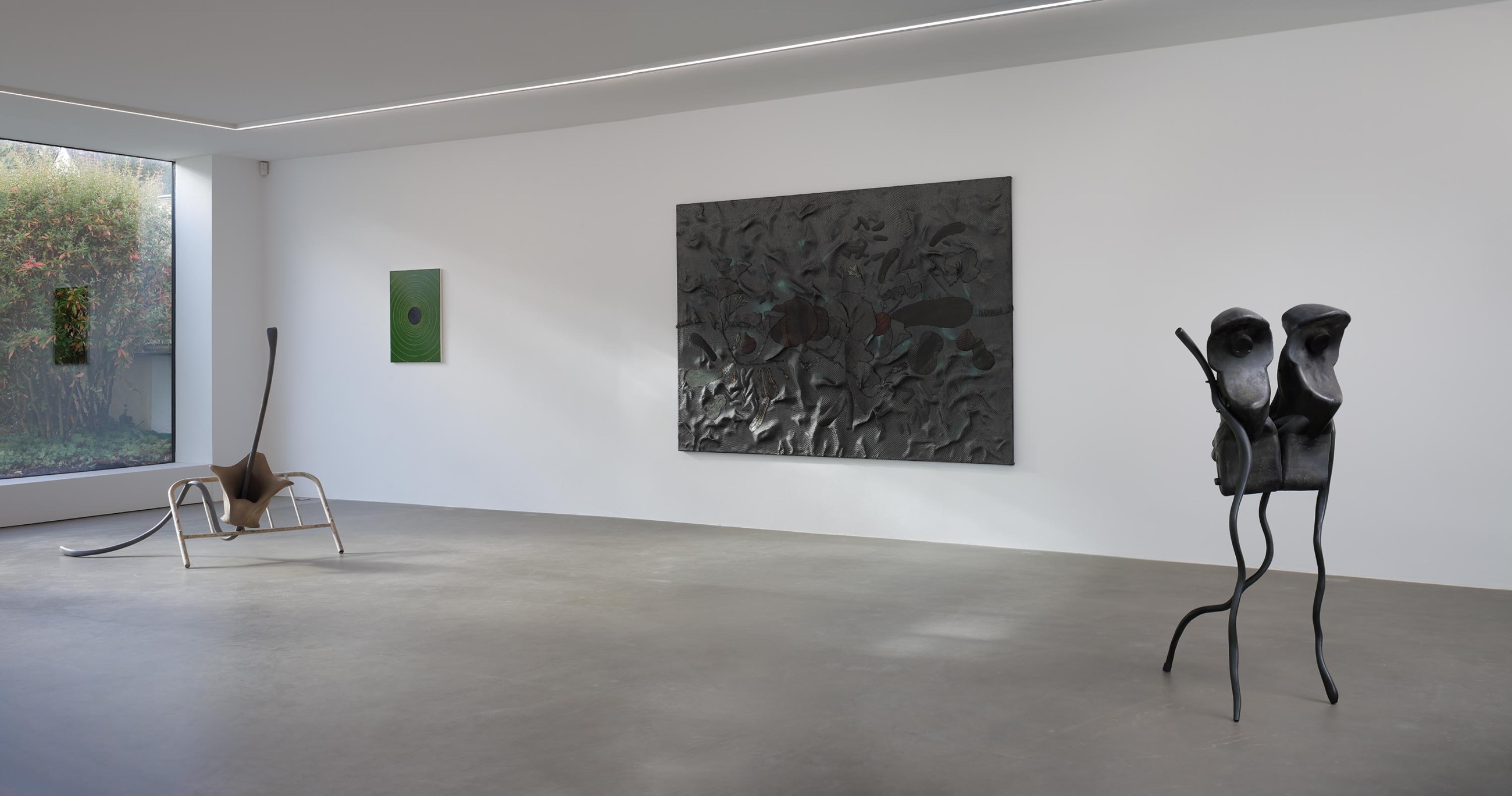
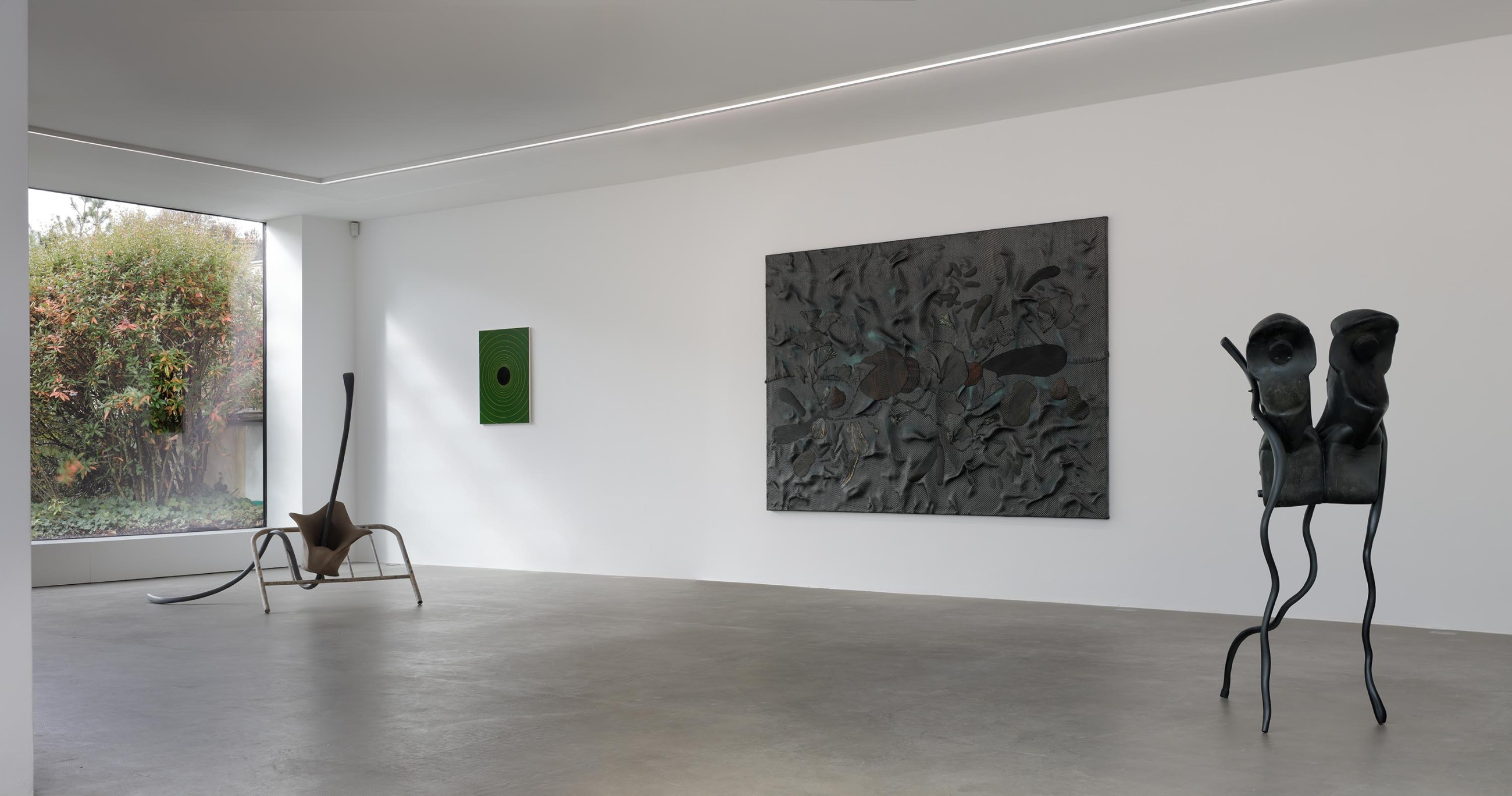
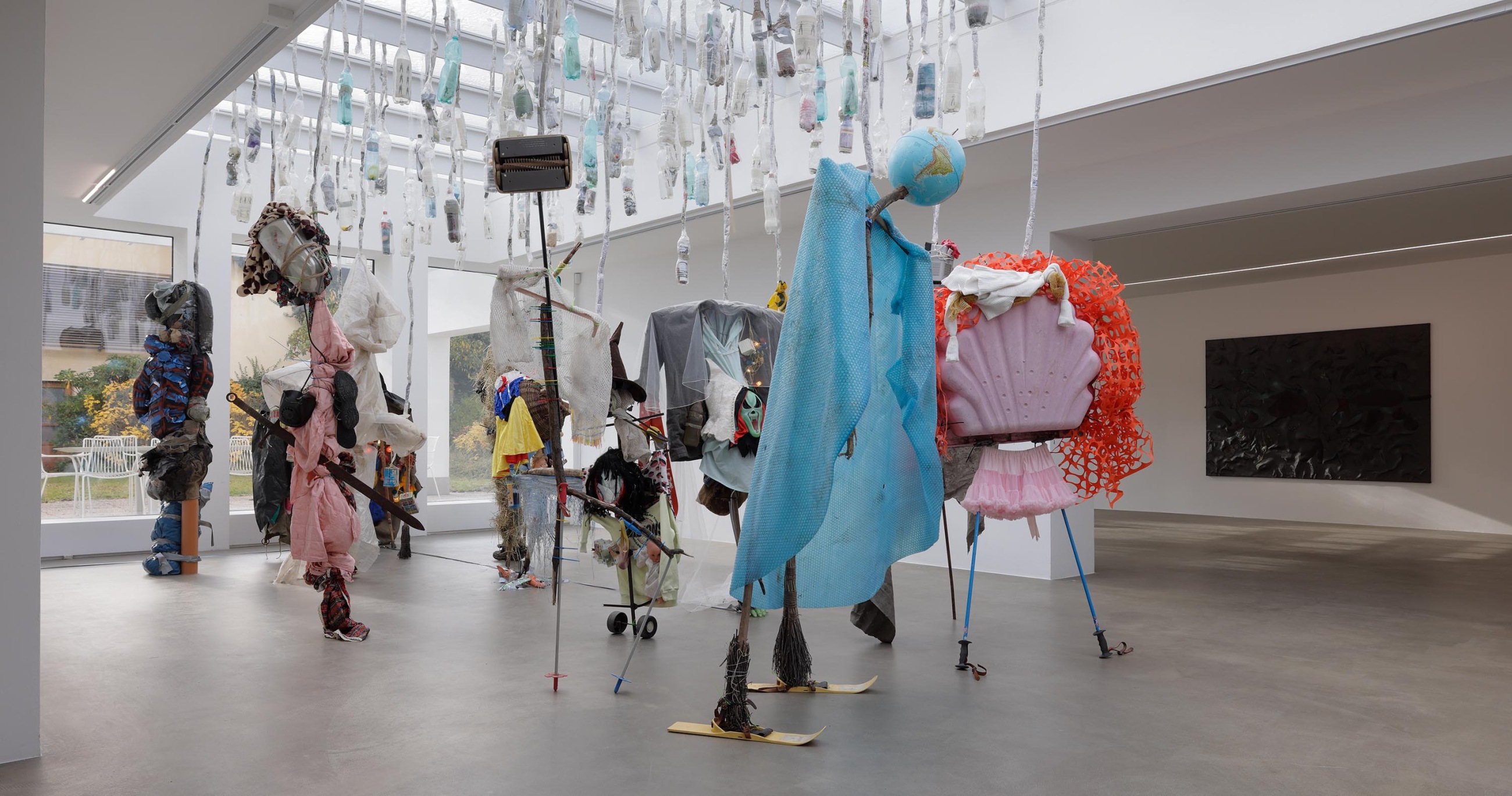
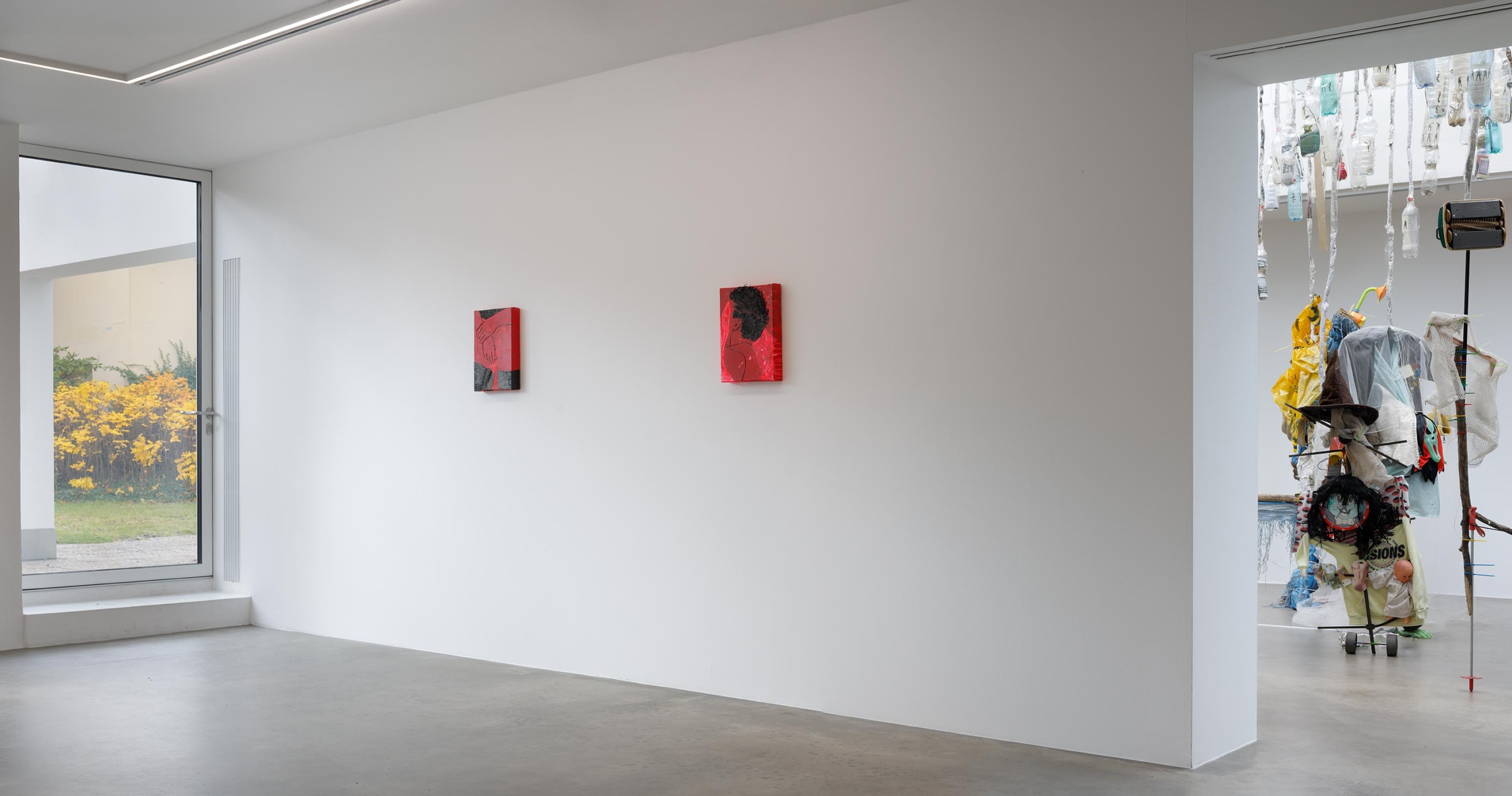
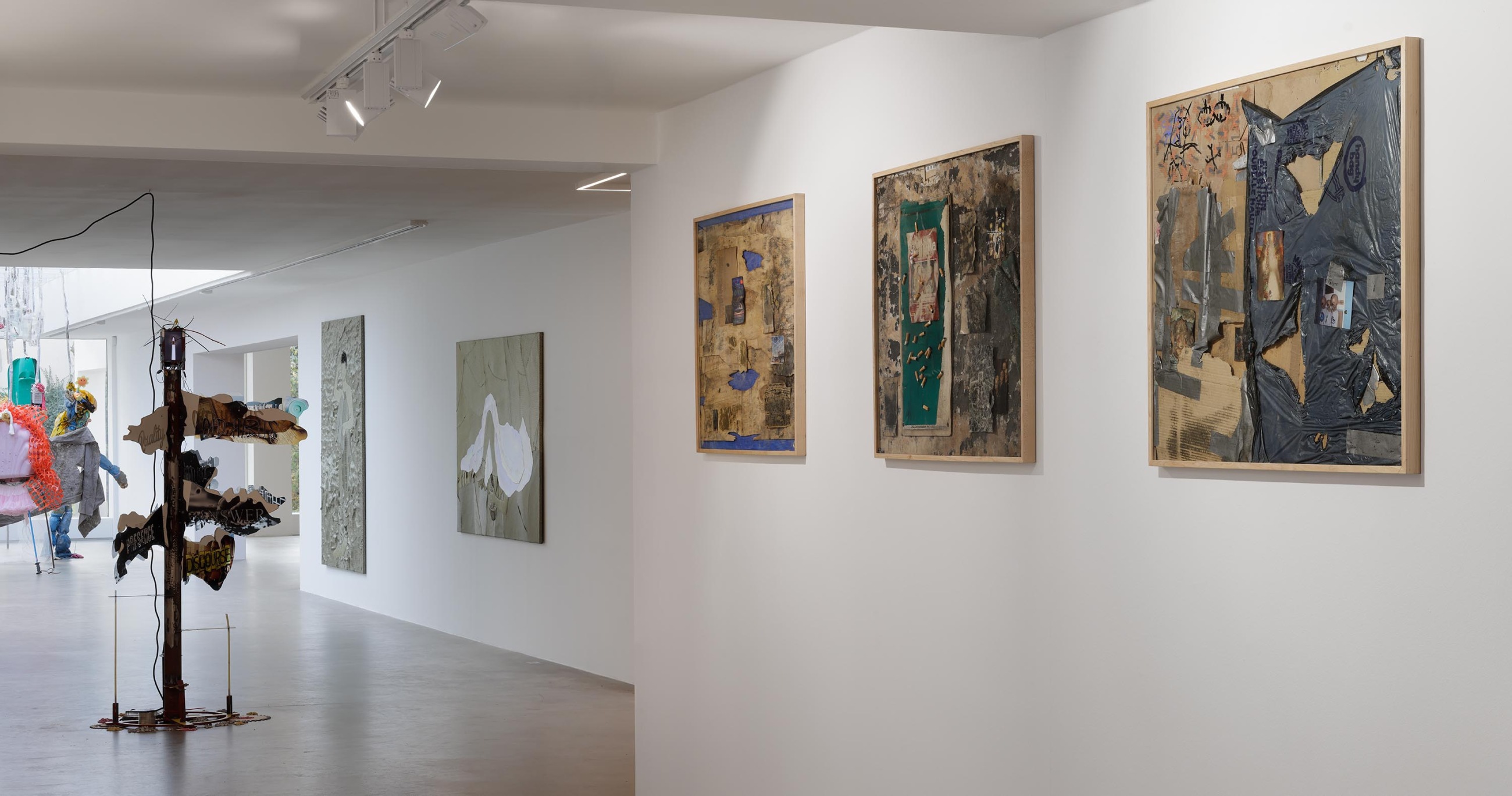
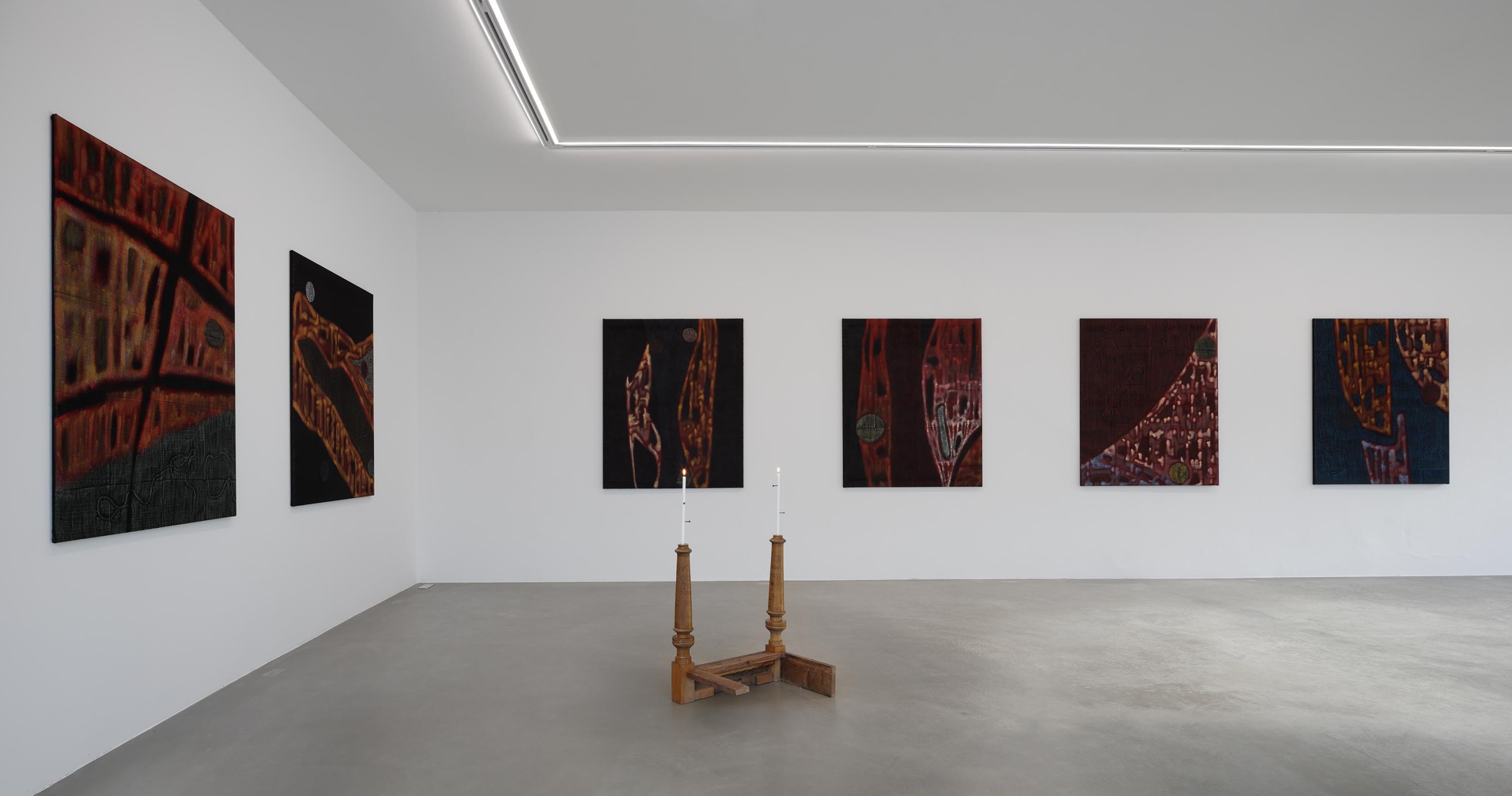
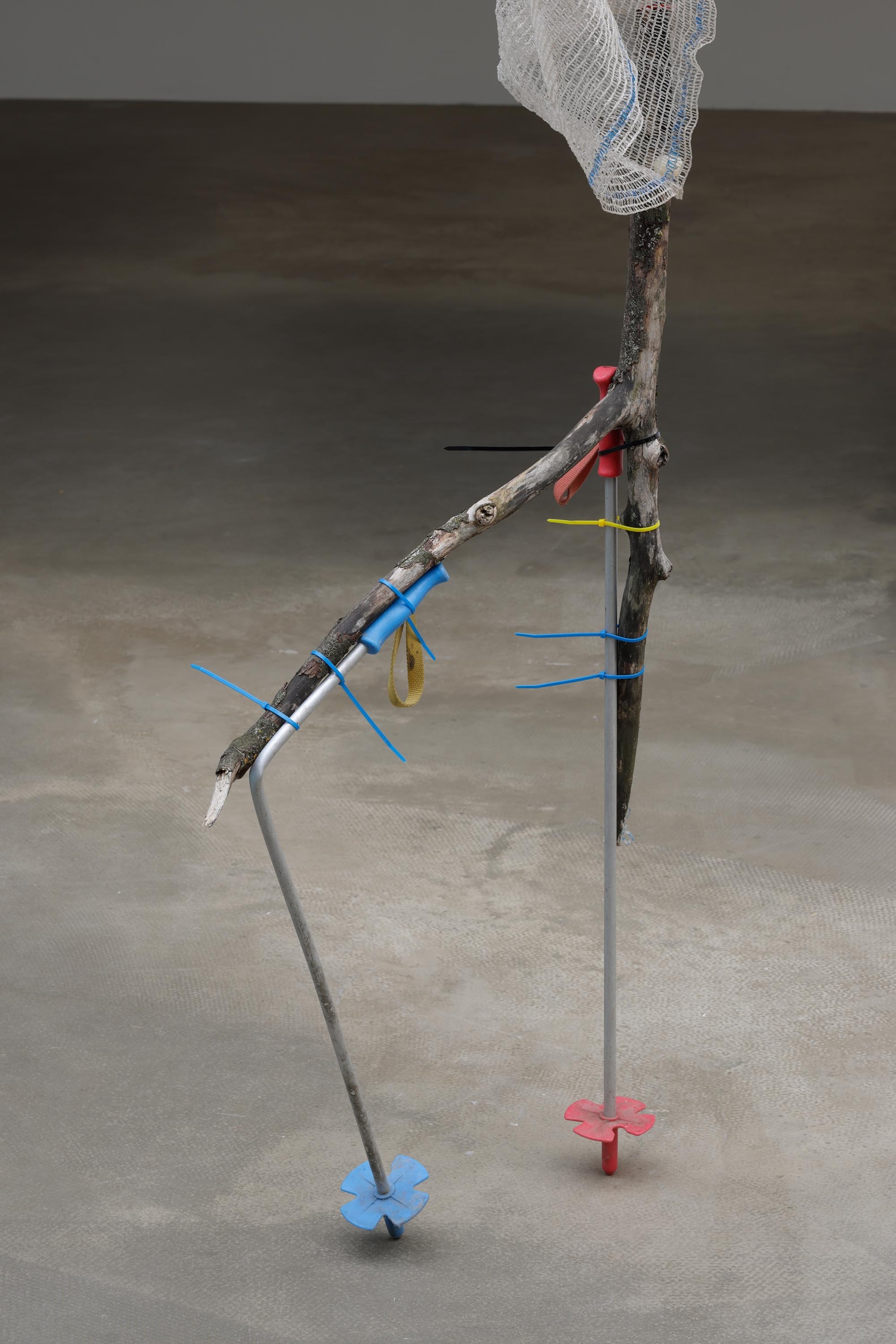
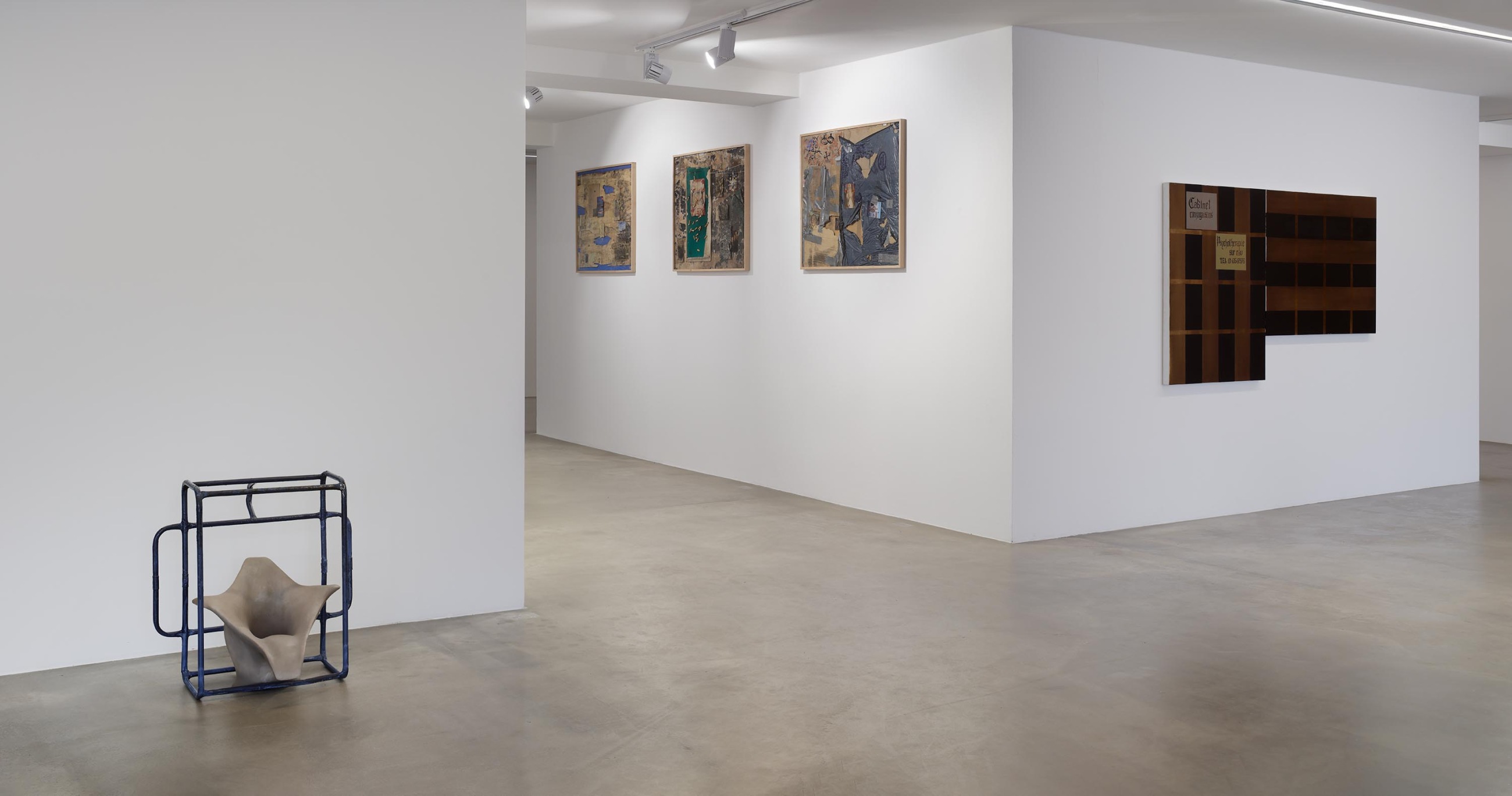
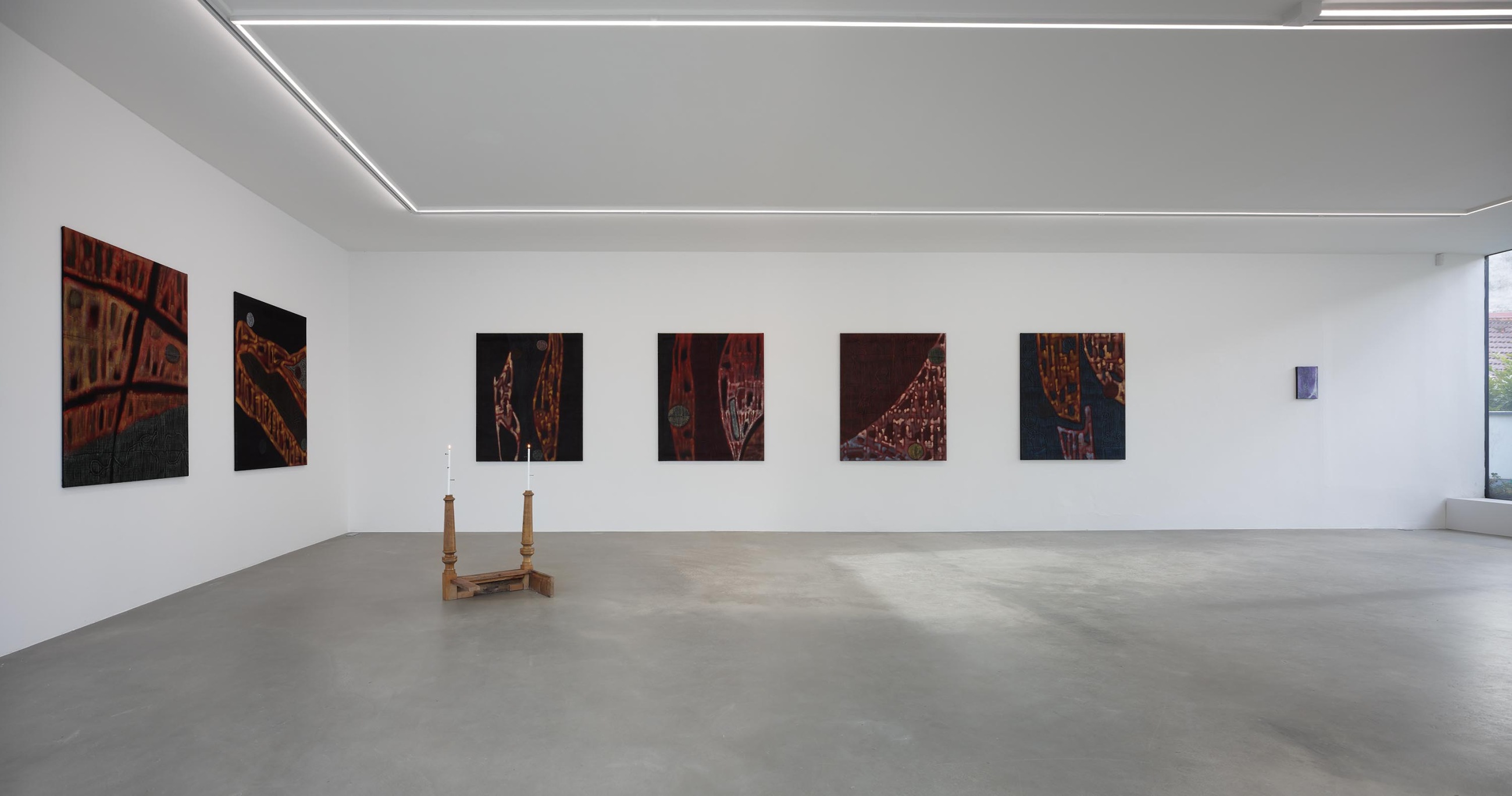
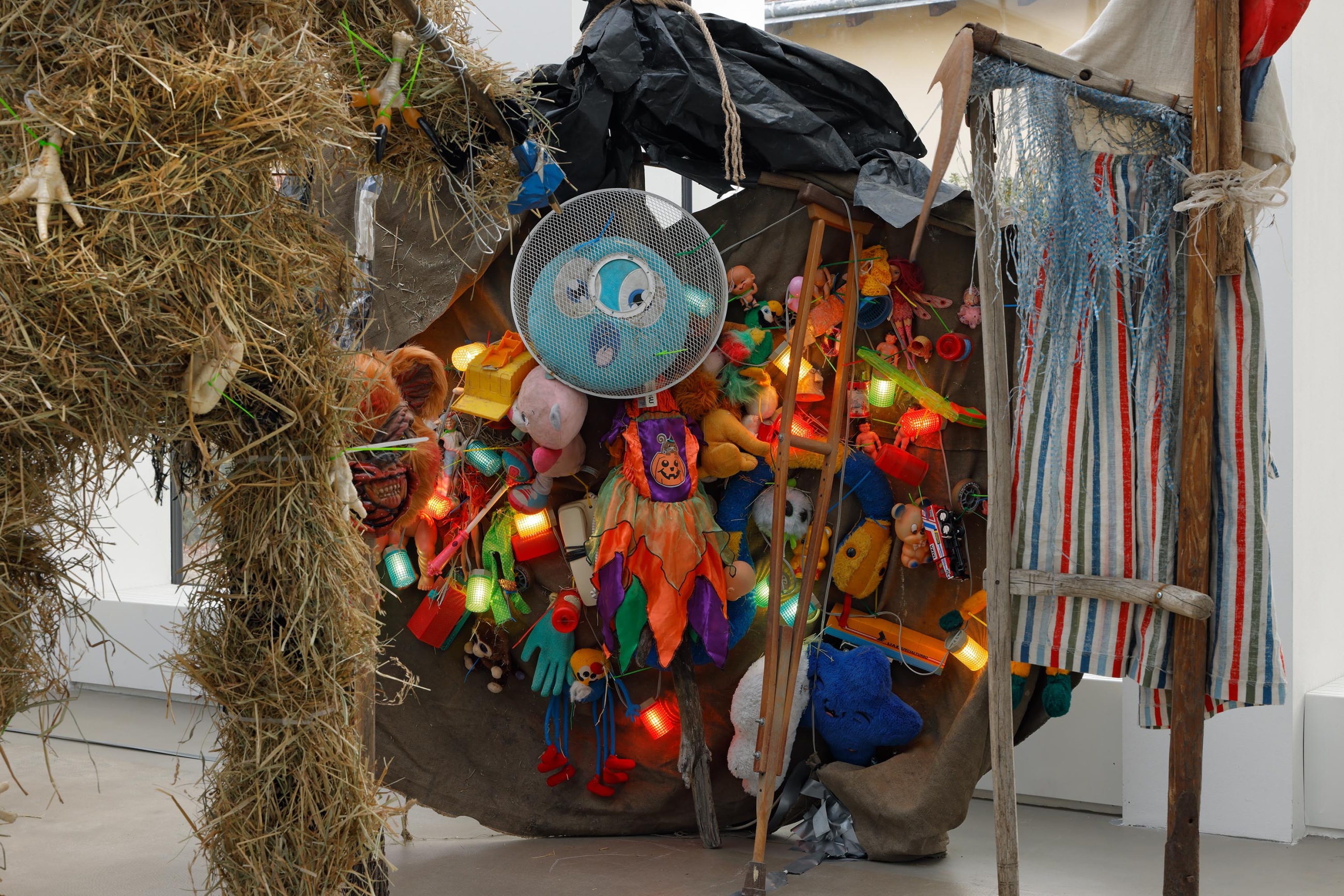
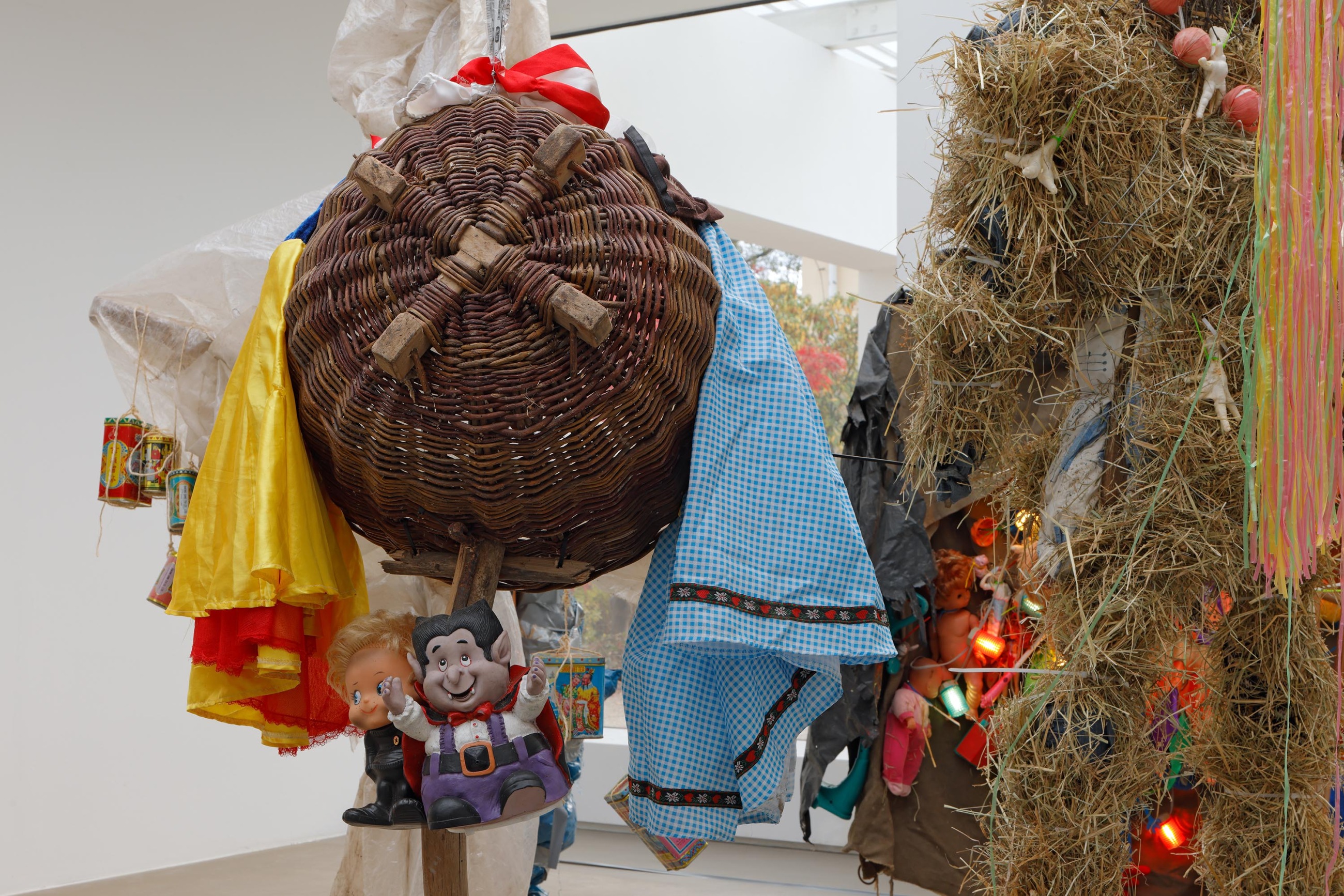
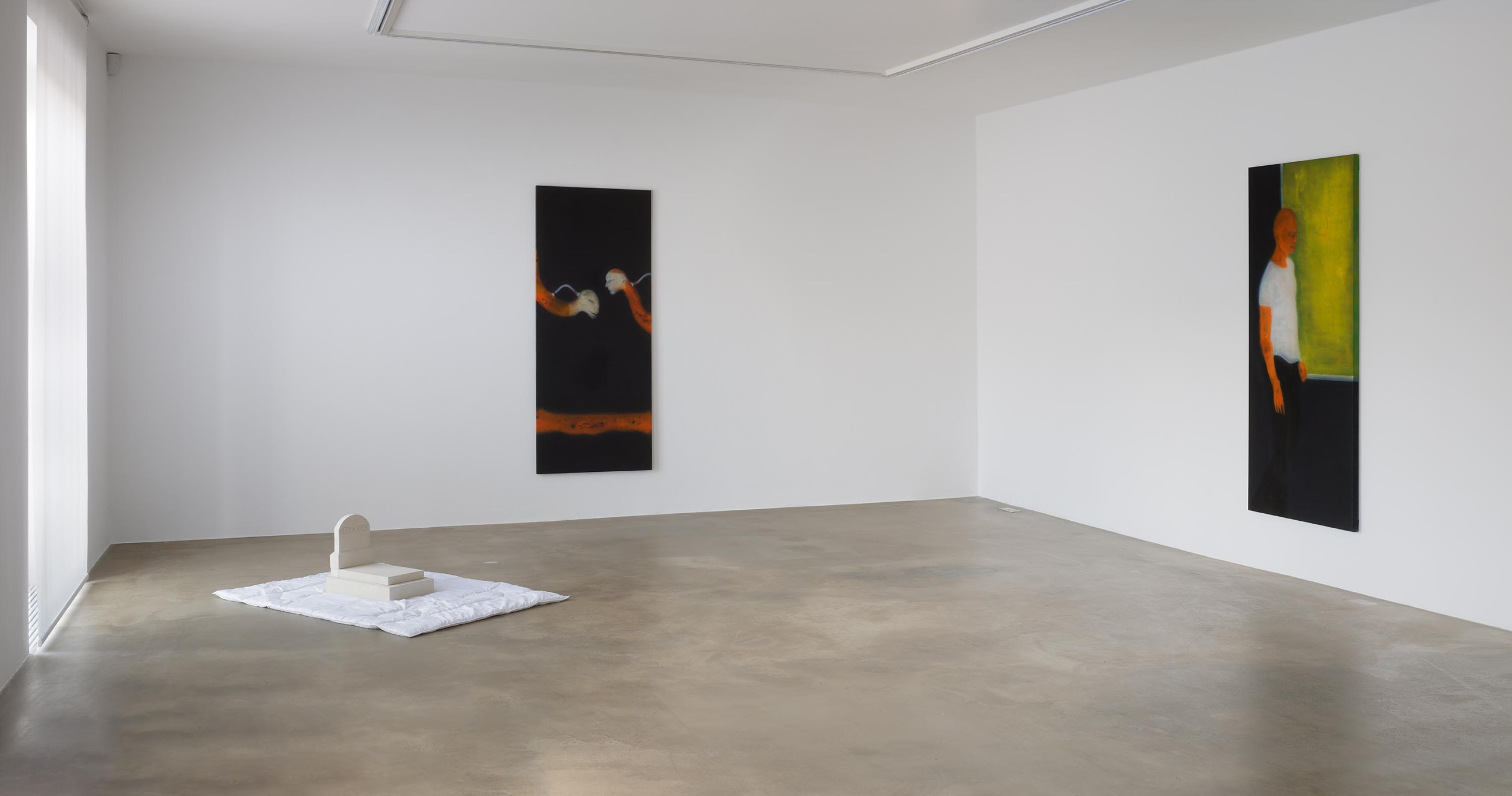
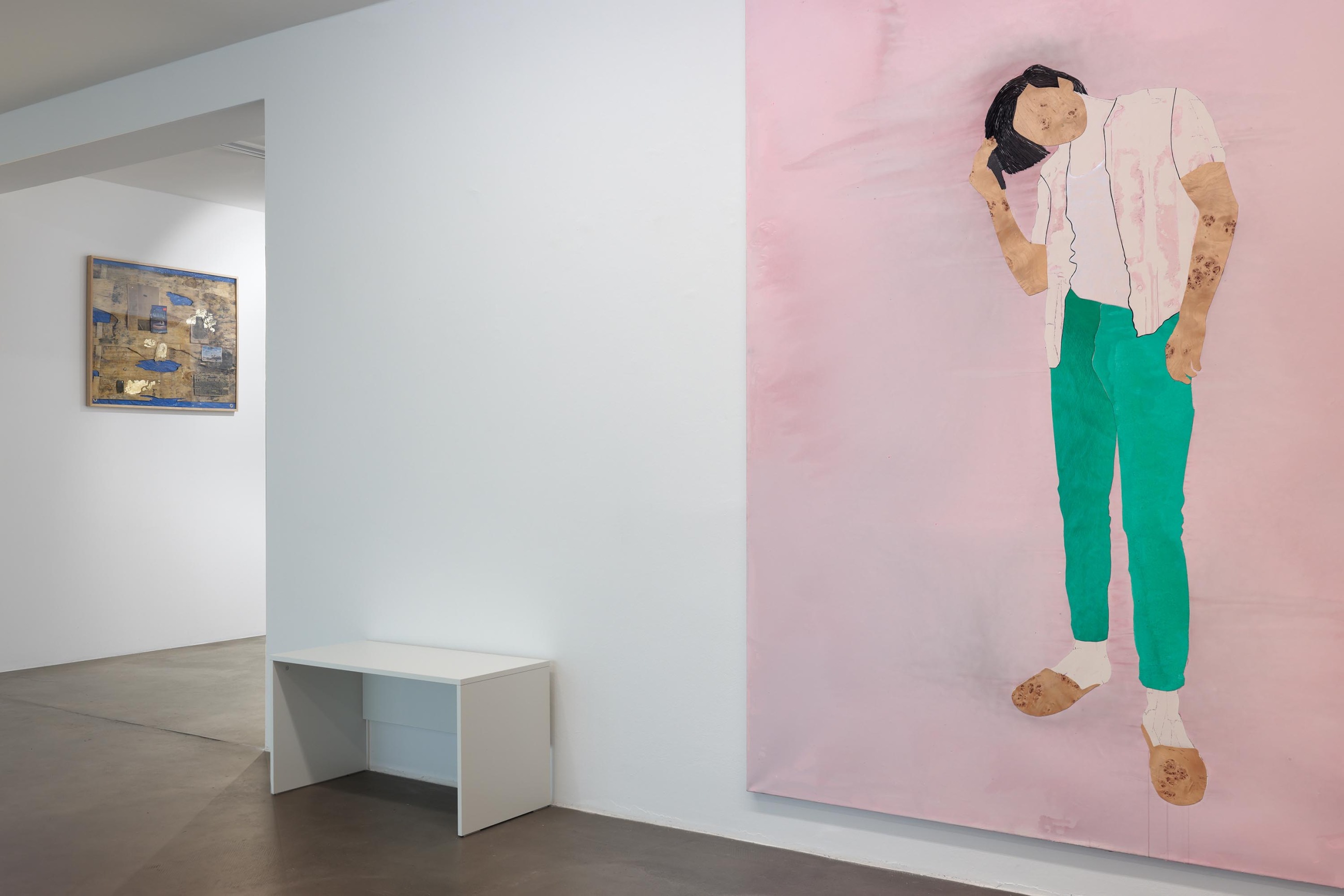
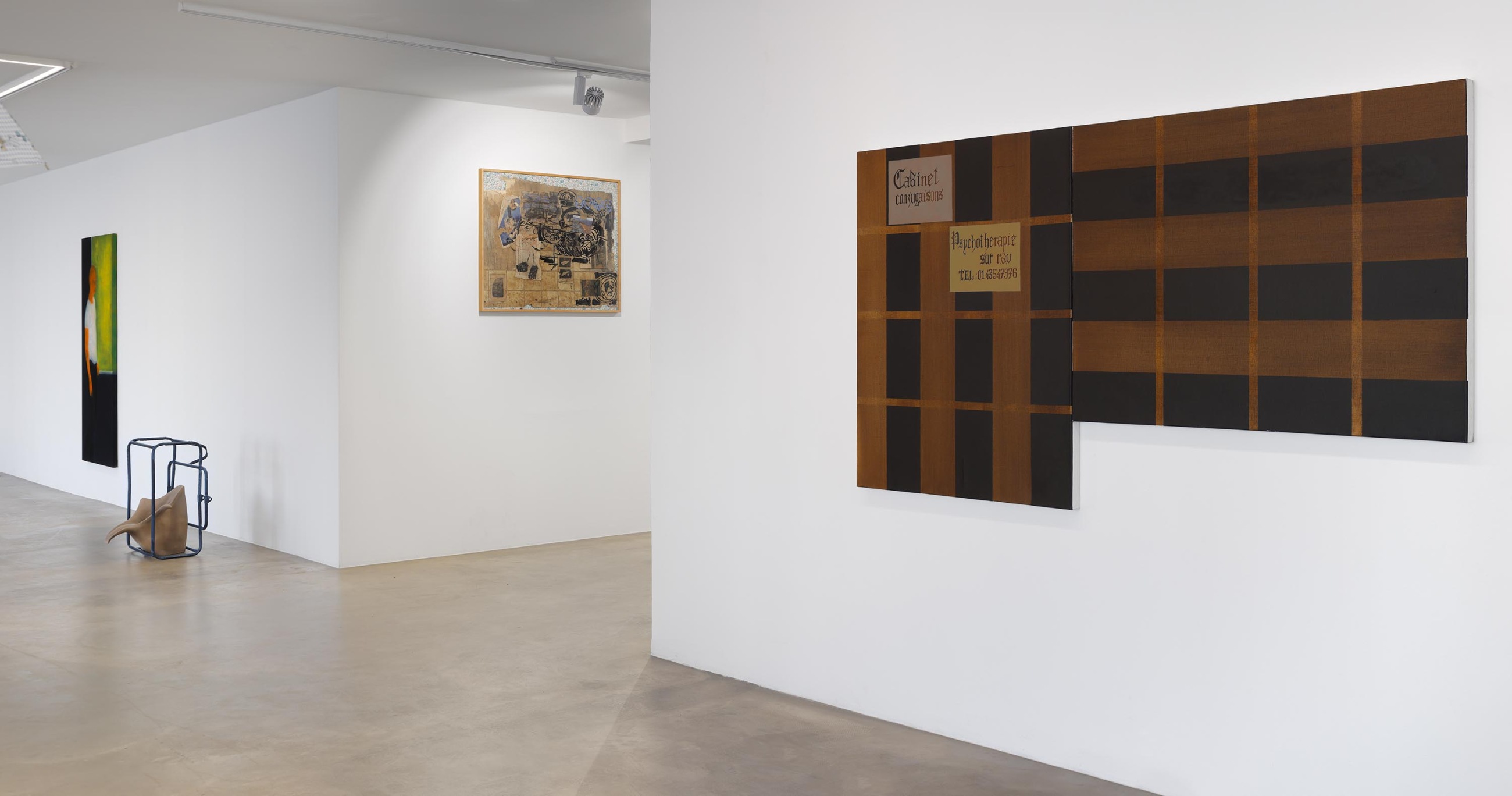
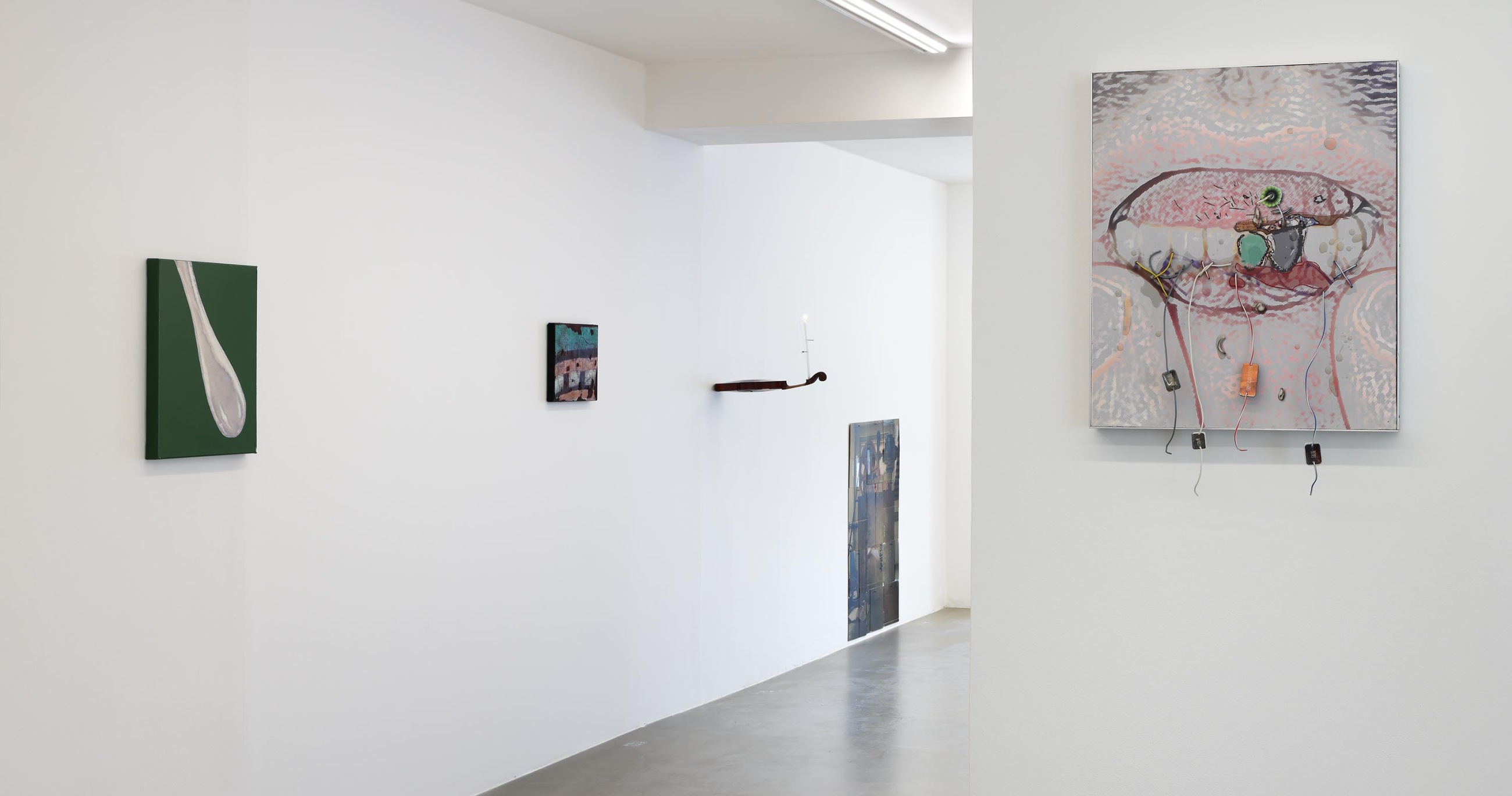
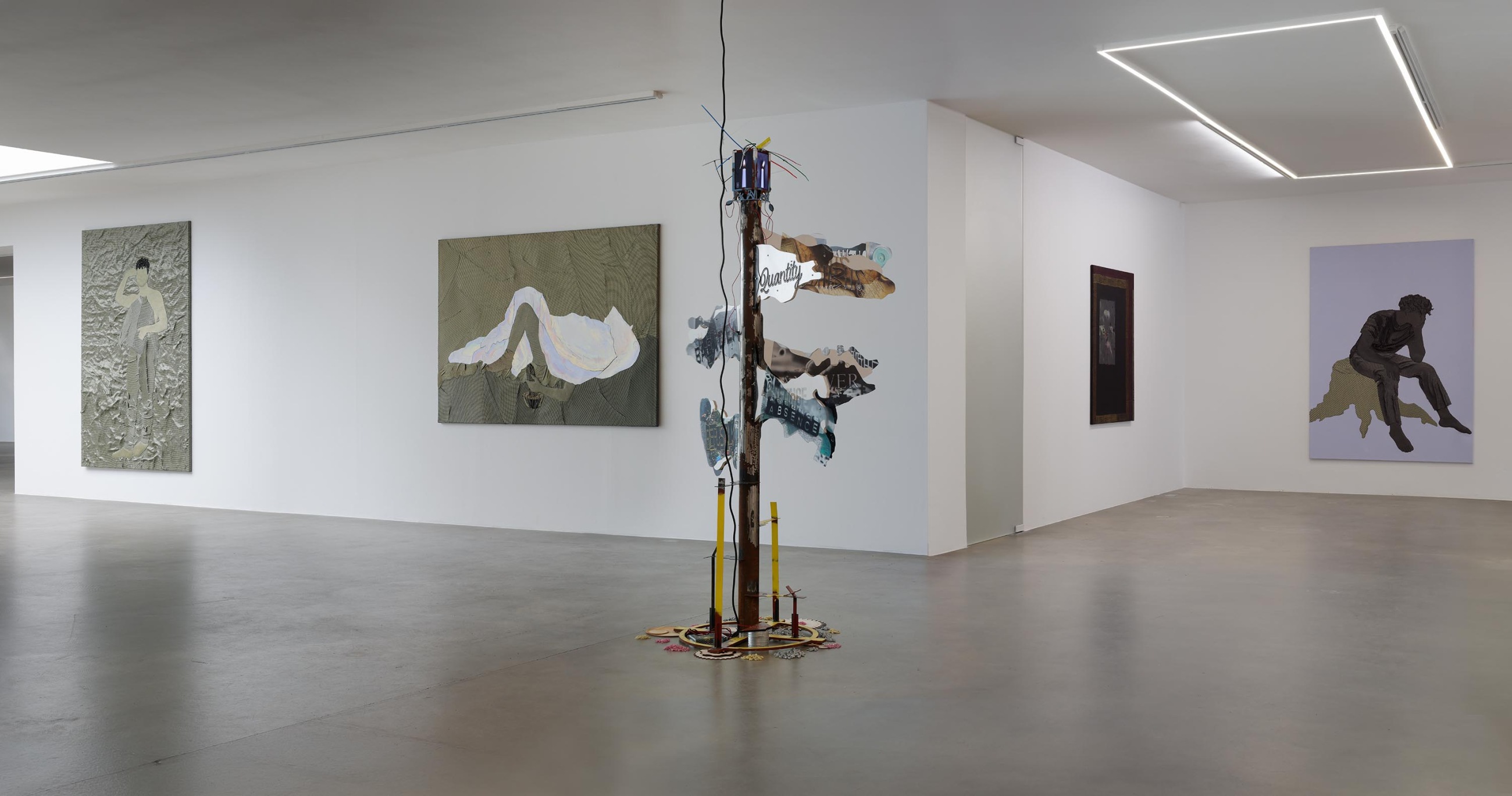
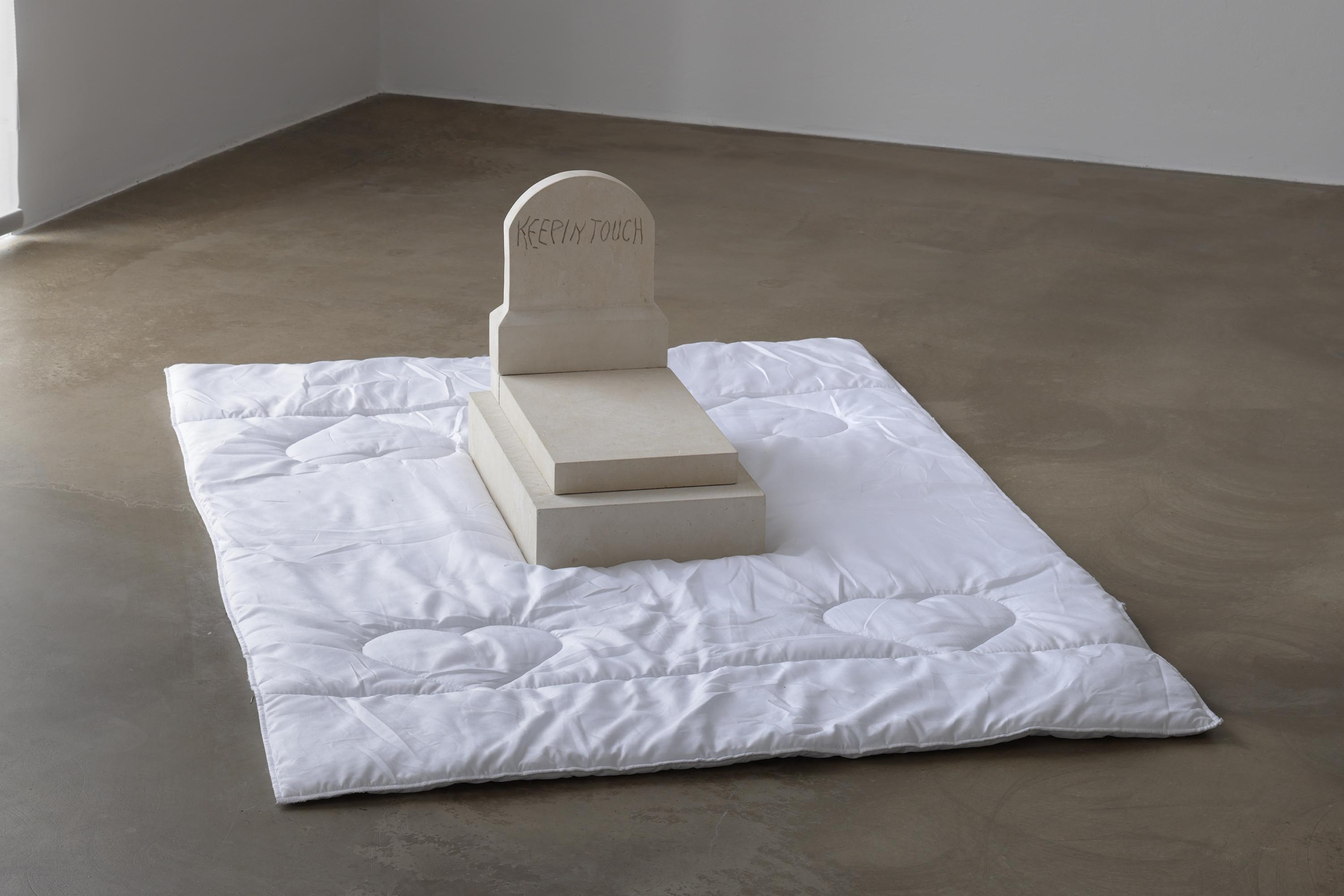
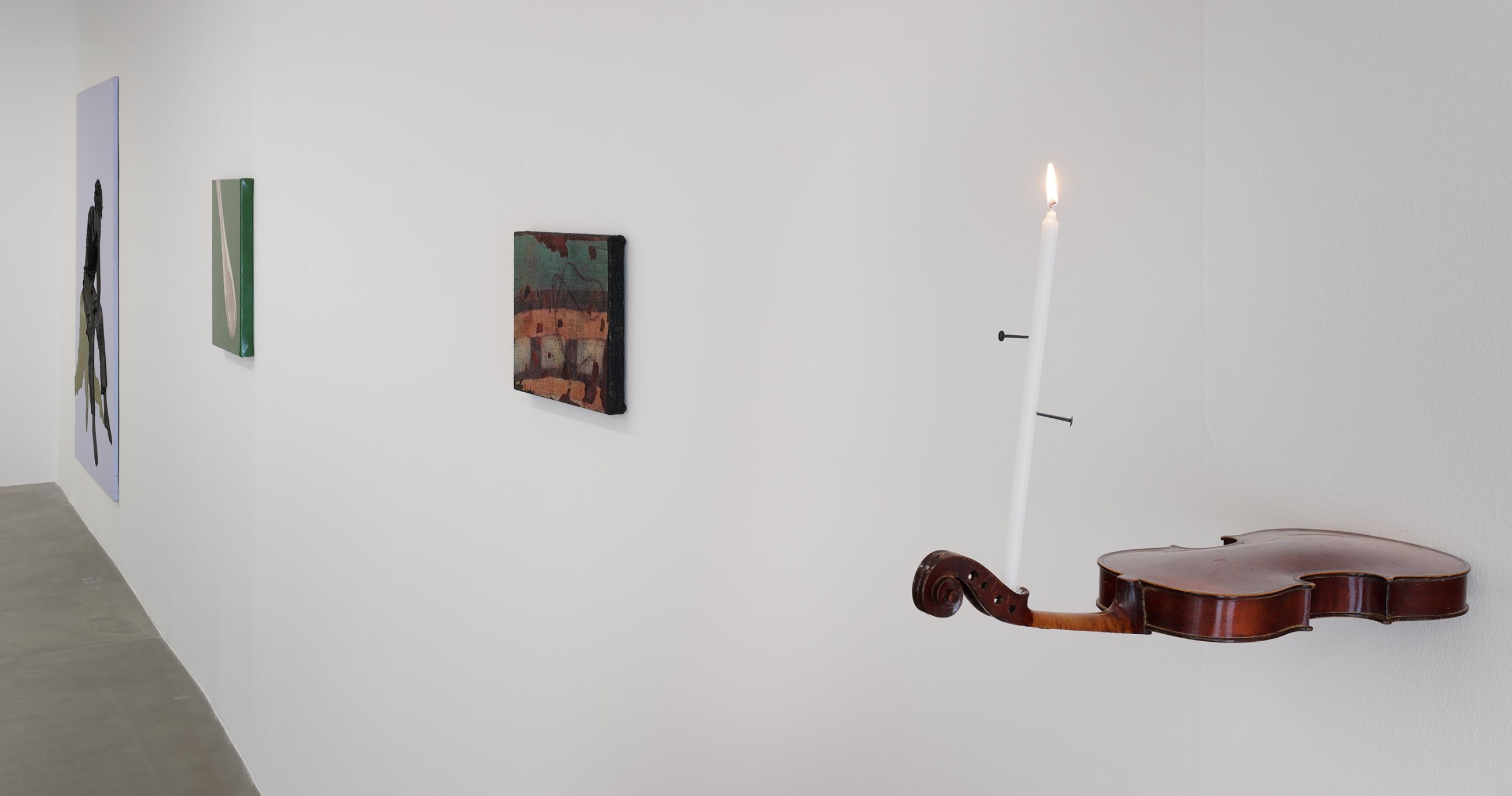
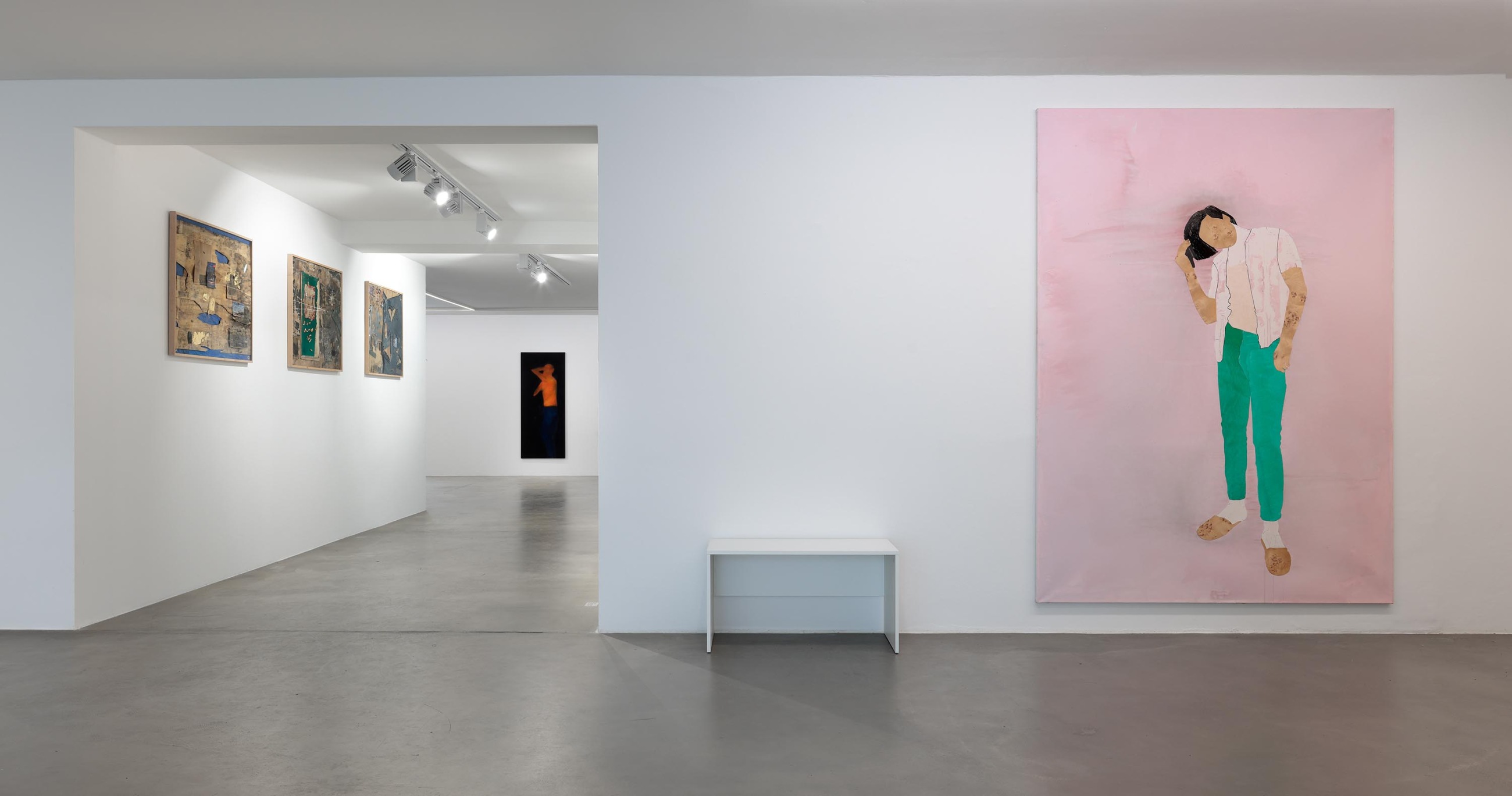
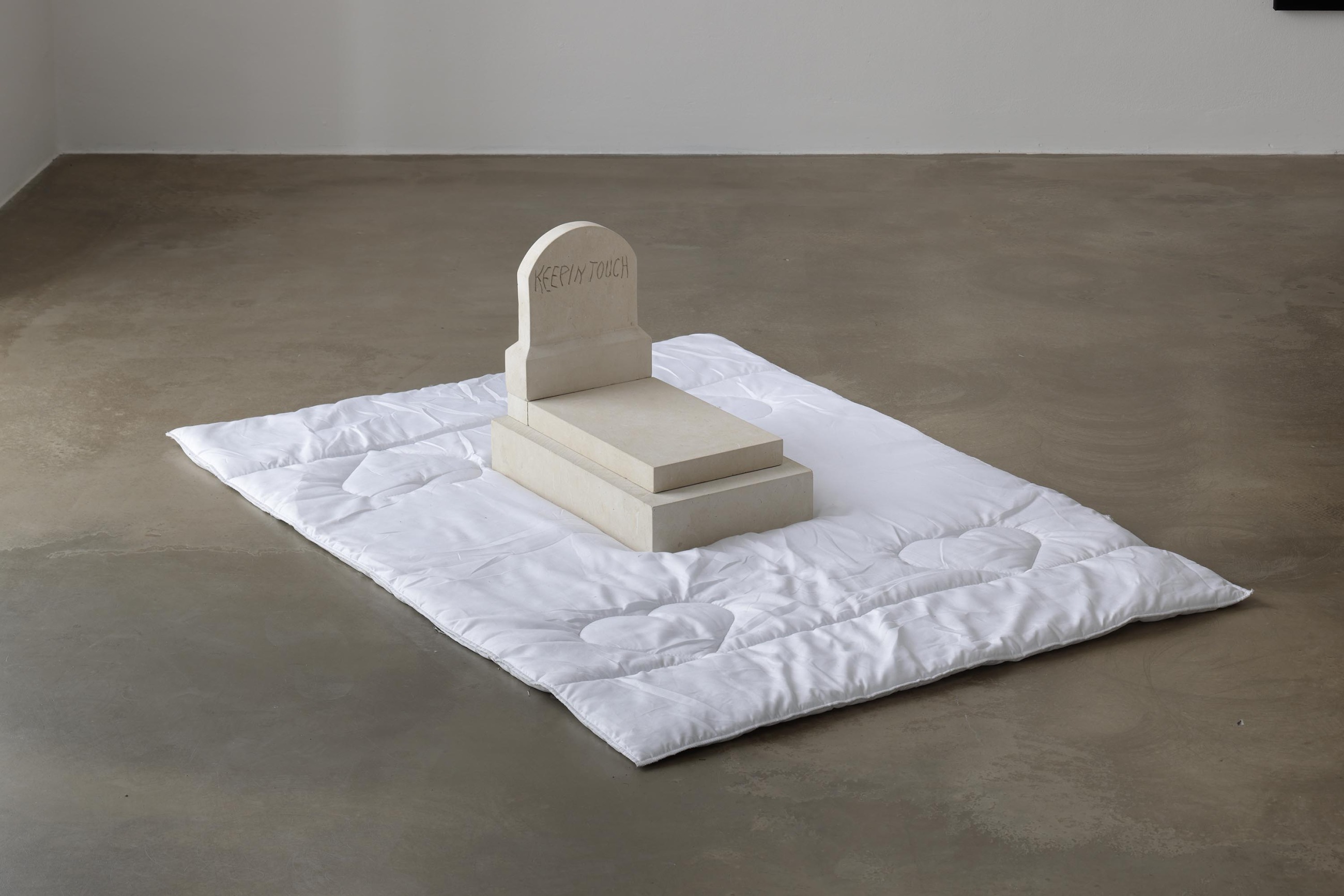
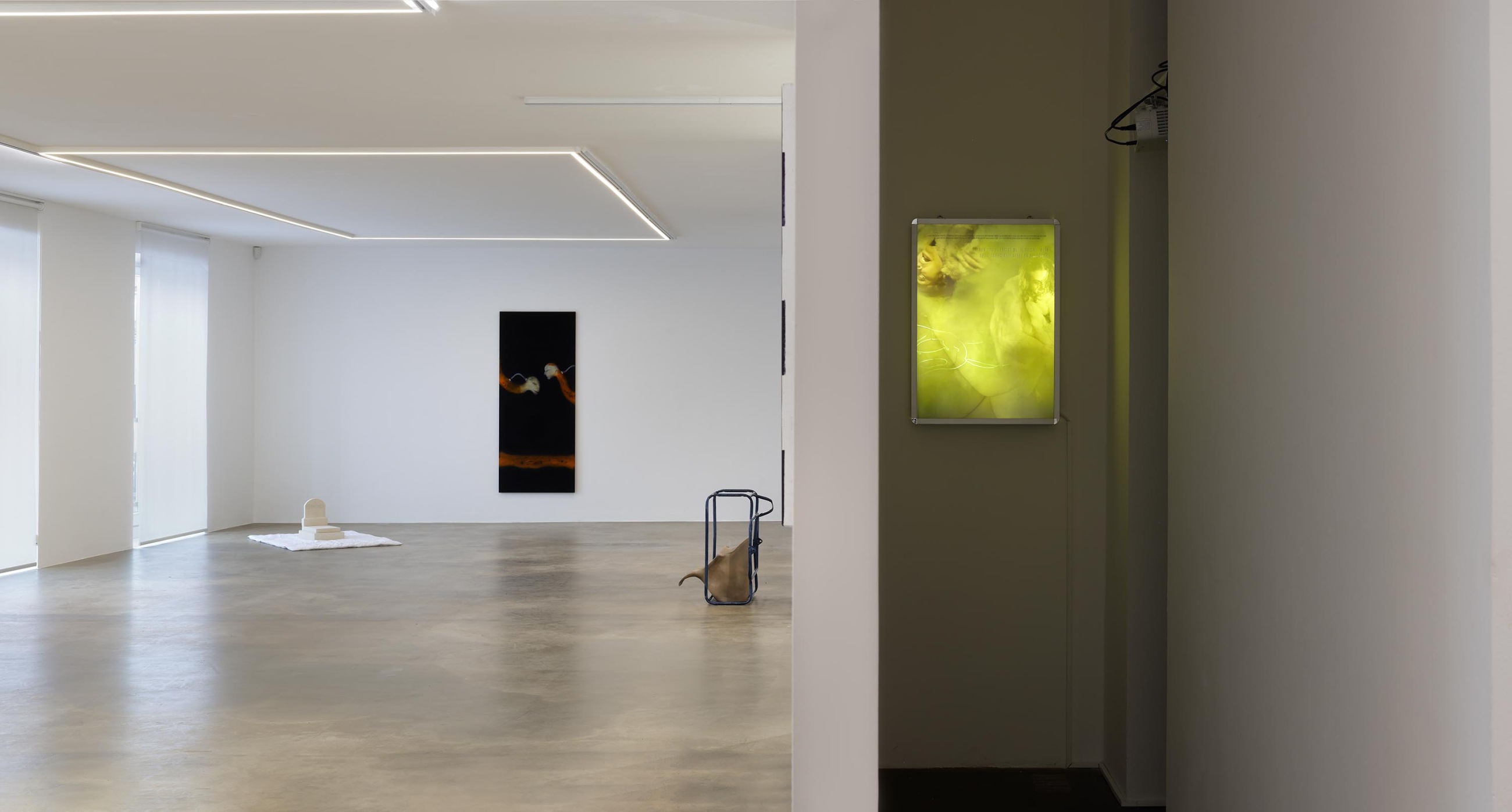
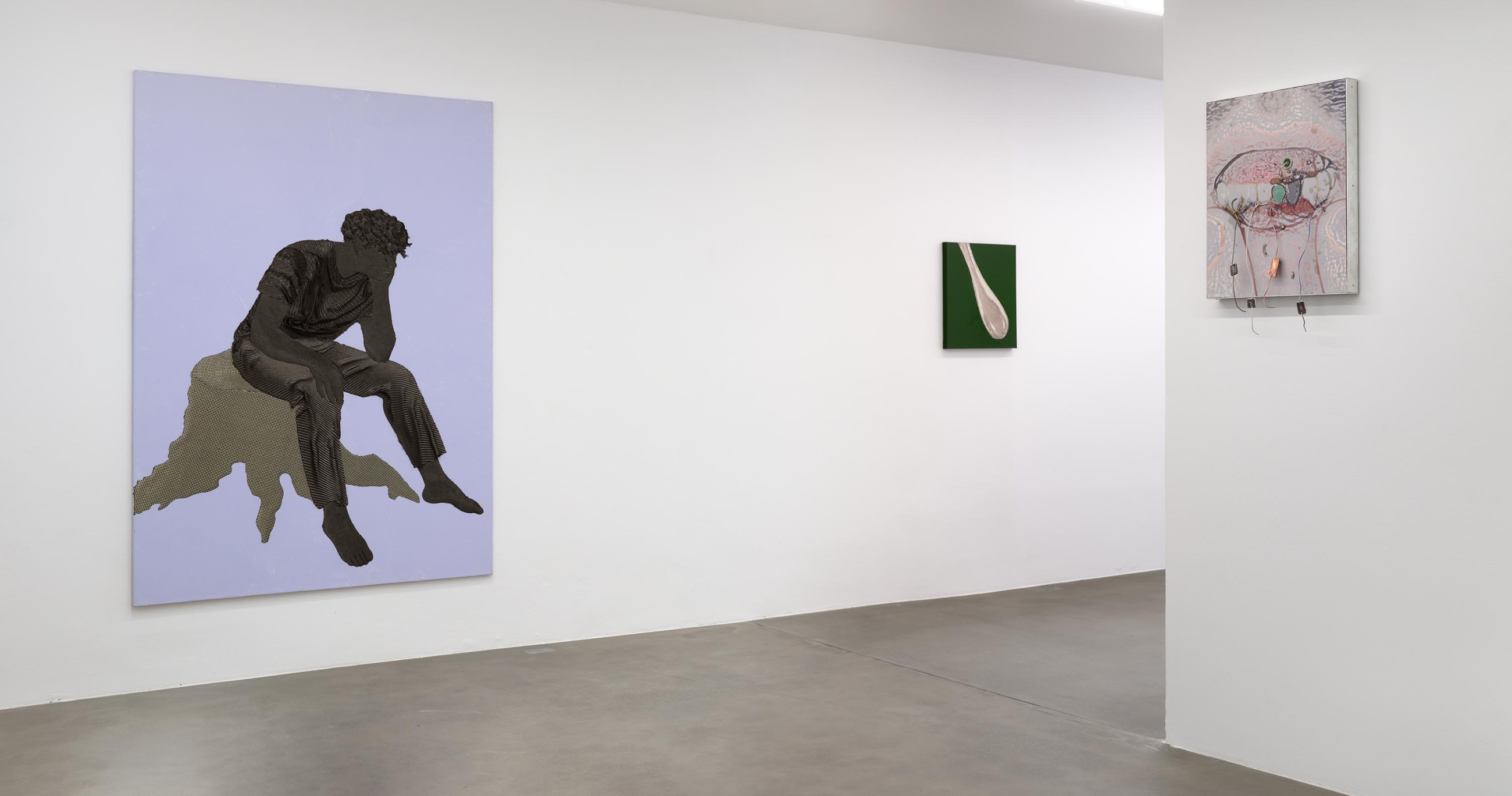
Every material already belongs somewhere. Carbon fibre to a car or an aircraft, cork to construction, electronic waste to the endless cycle of obsolescence, textiles to the body. An image, too, arrives carrying the memory of other images, just as an object carries an assumption about what it is meant to do. In Little Mission, these original addresses gradually become less certain. Things find themselves a few steps away from where we would expect them to be.
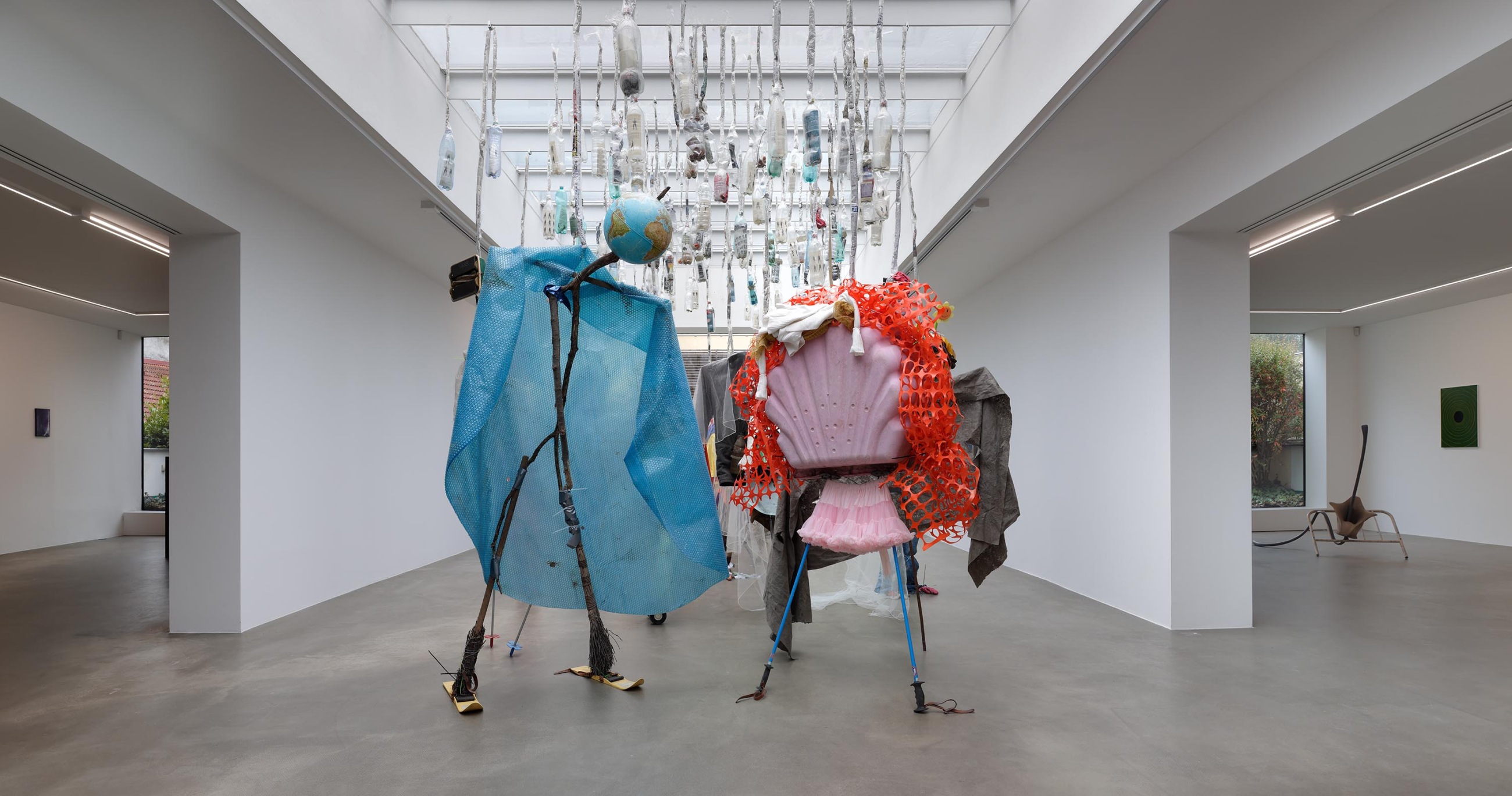
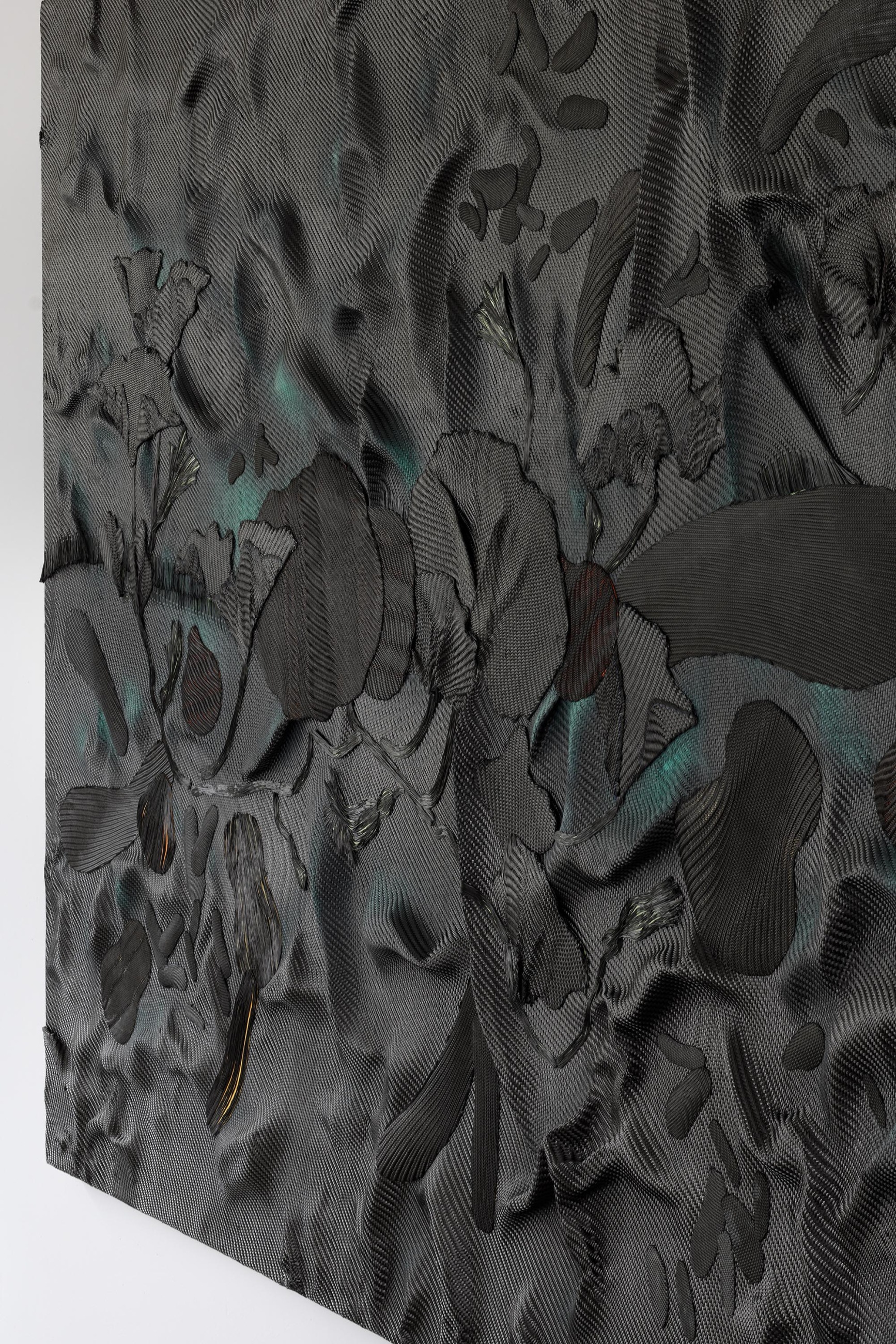
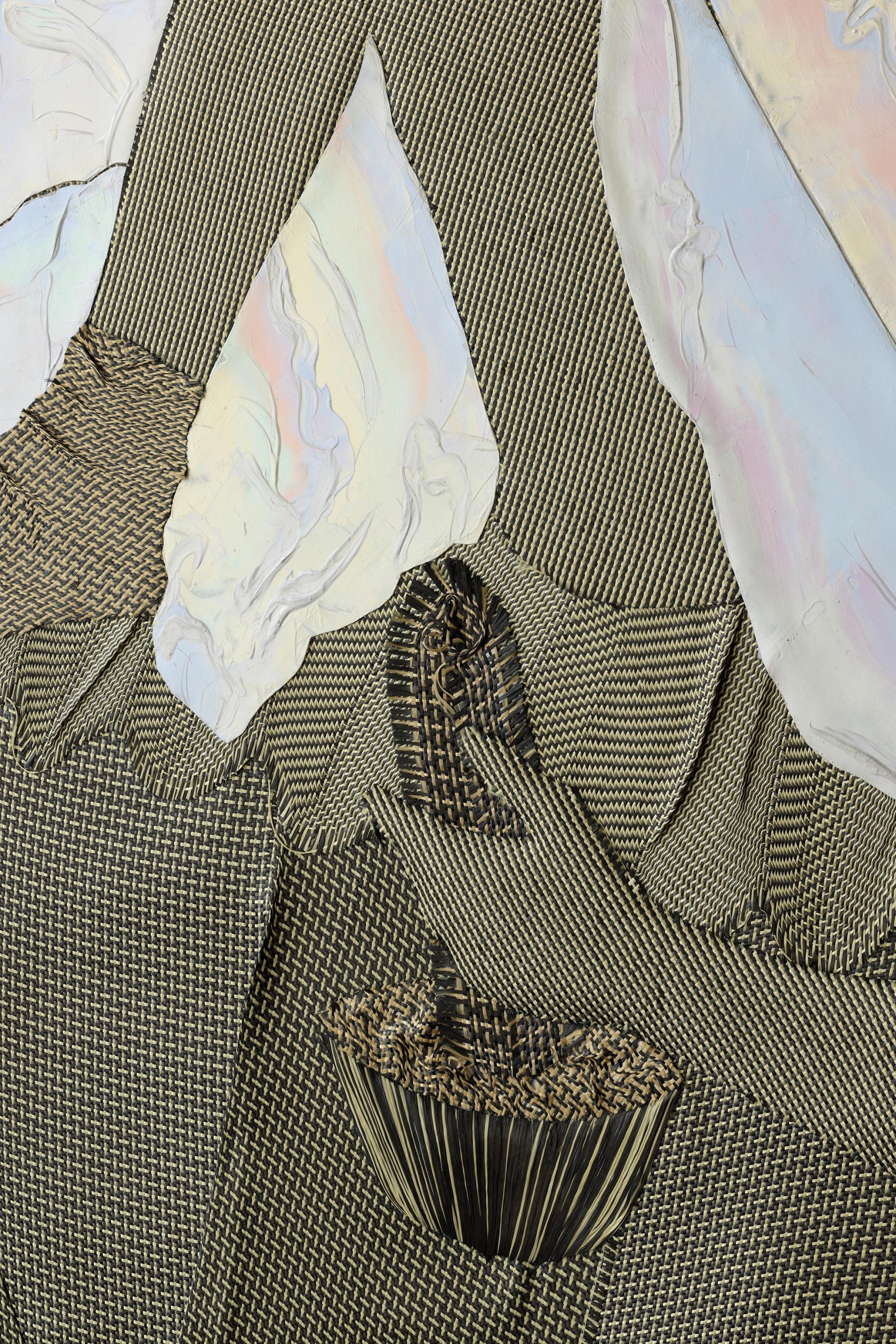
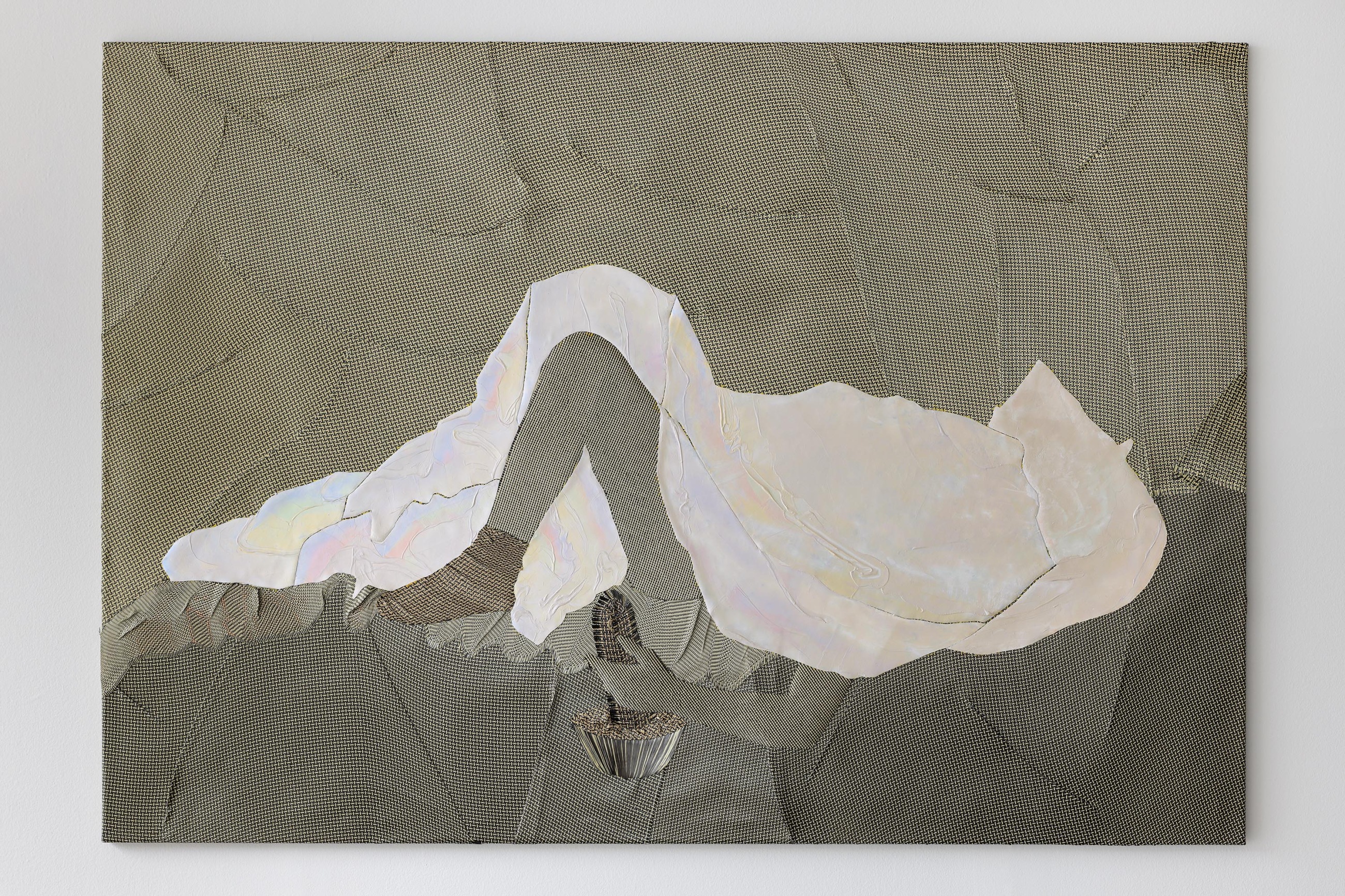
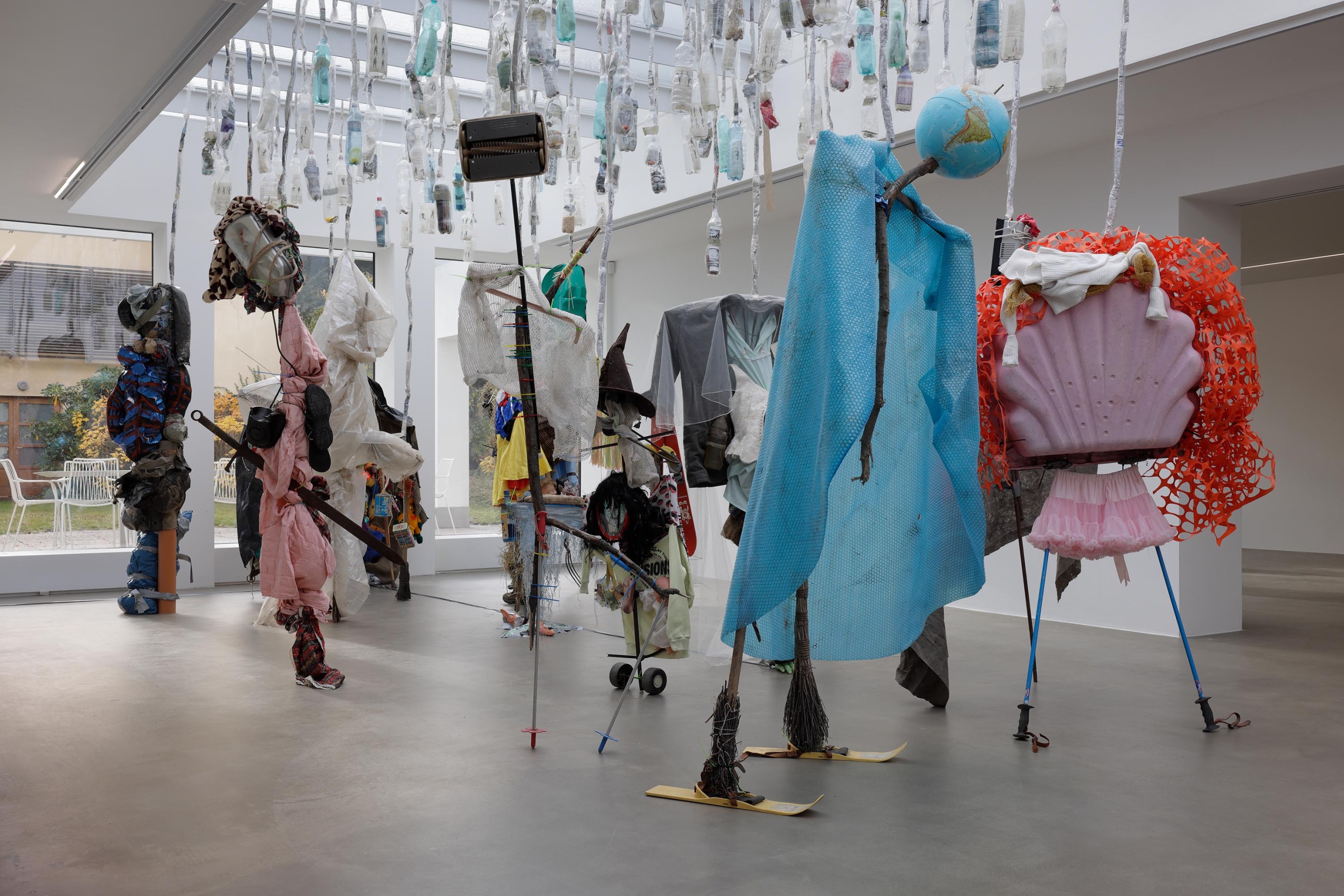
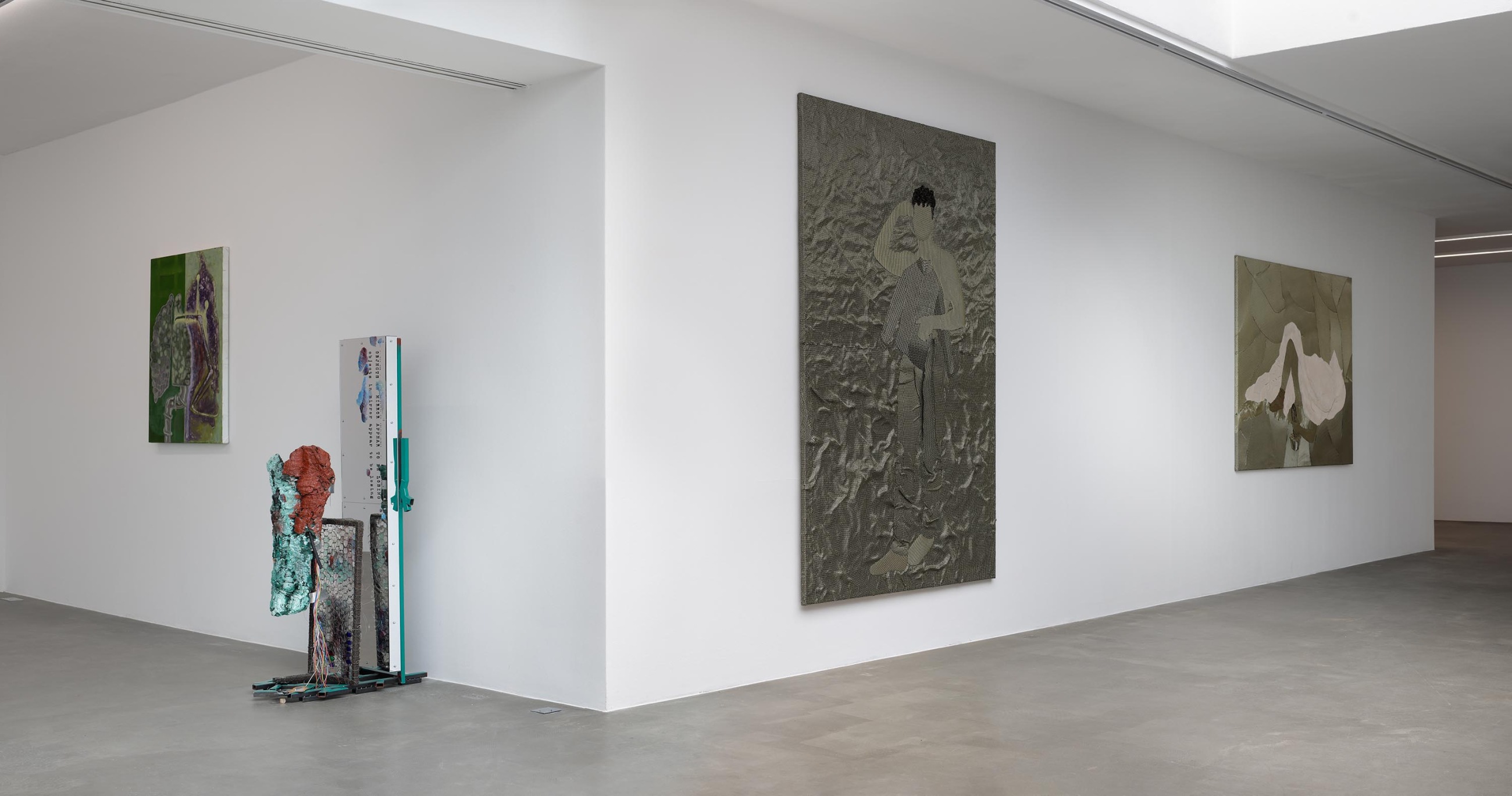
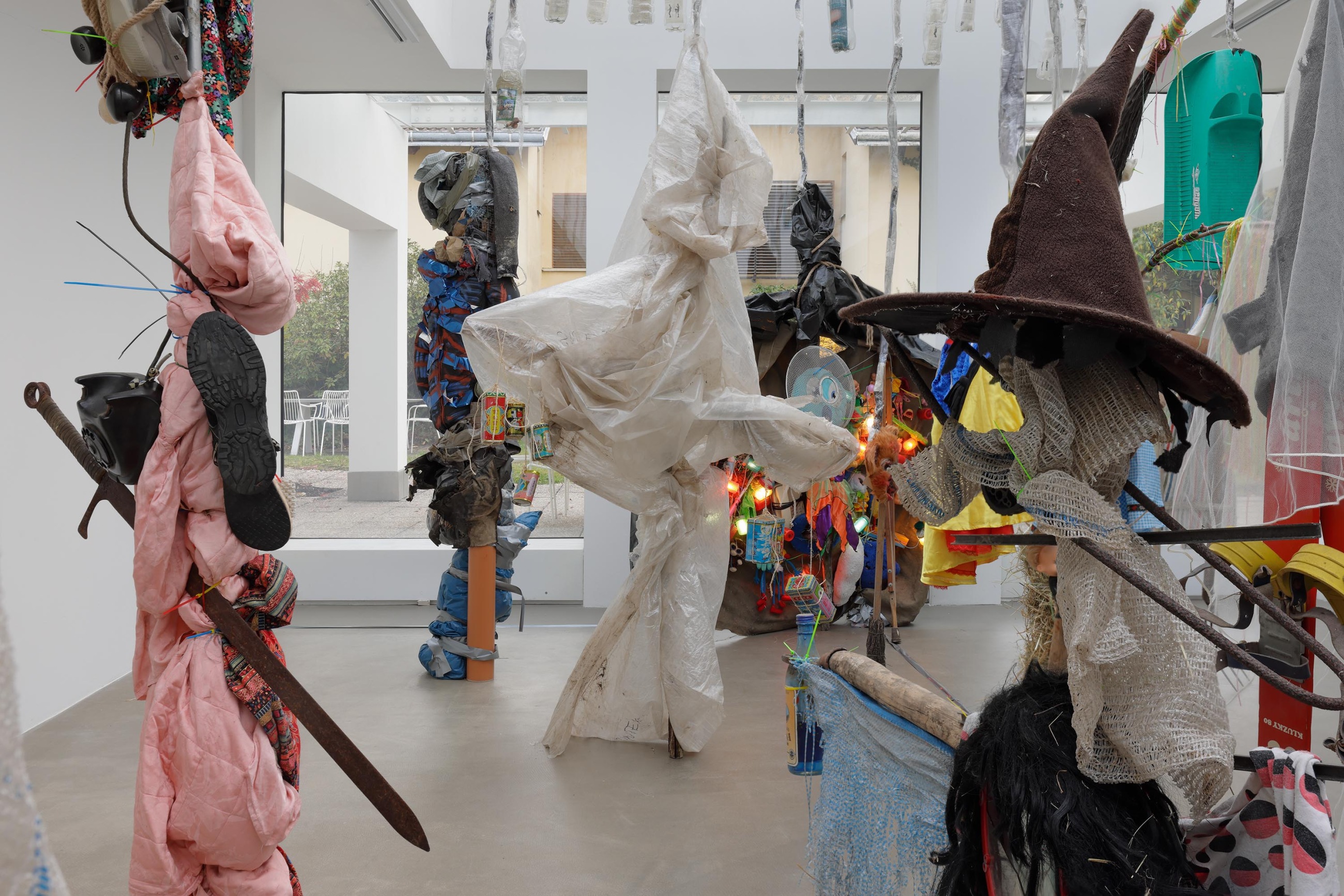
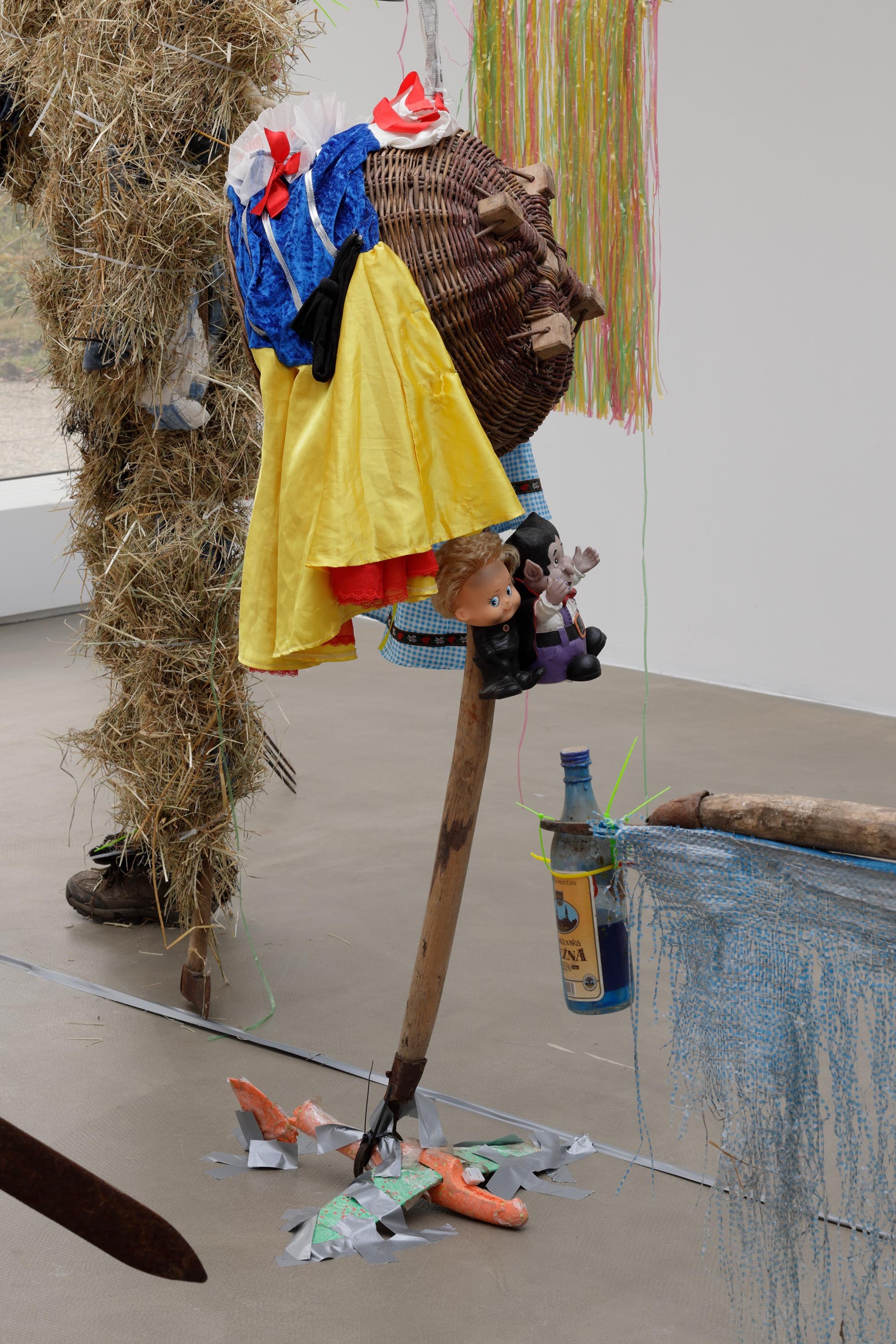
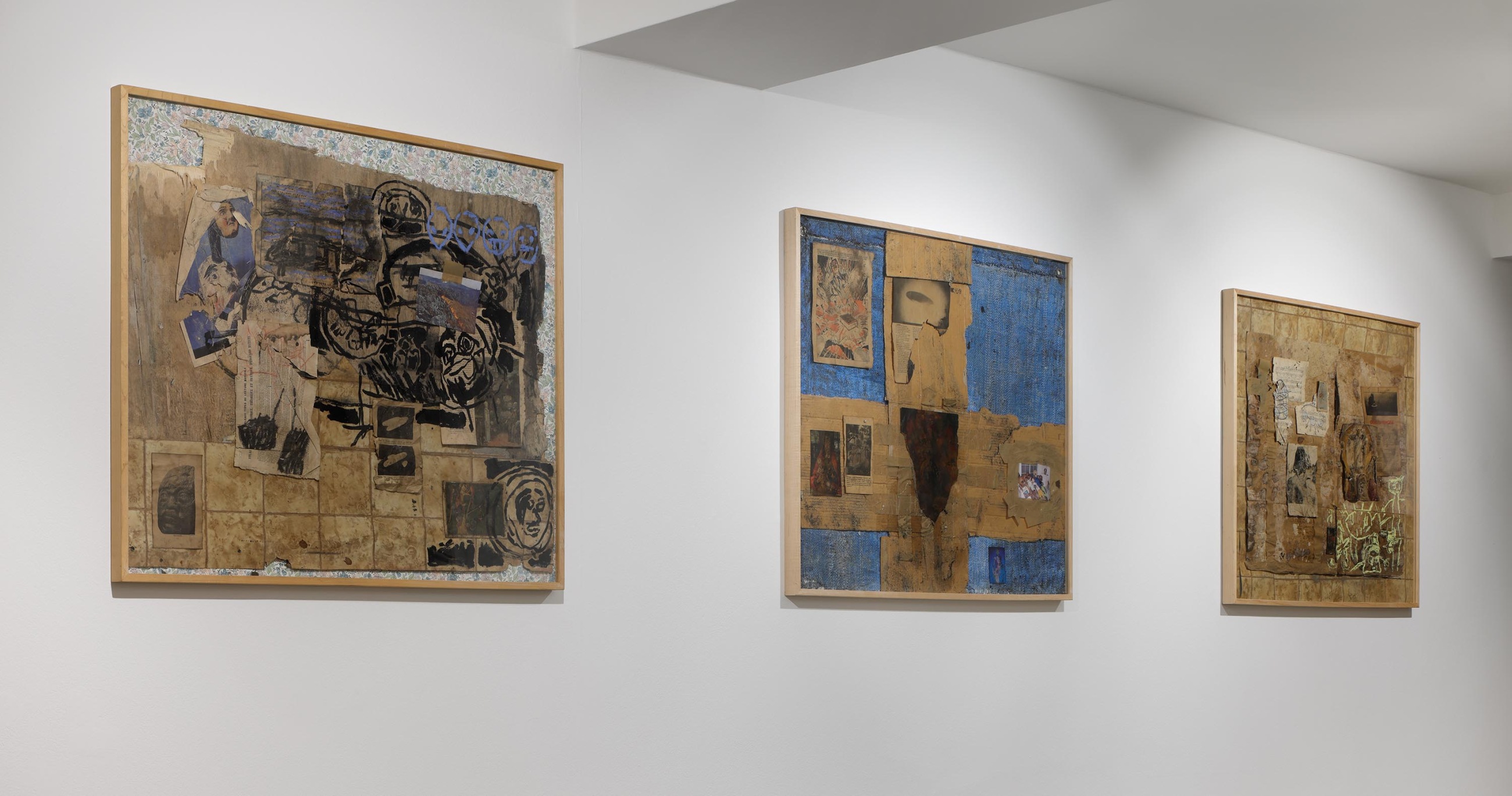
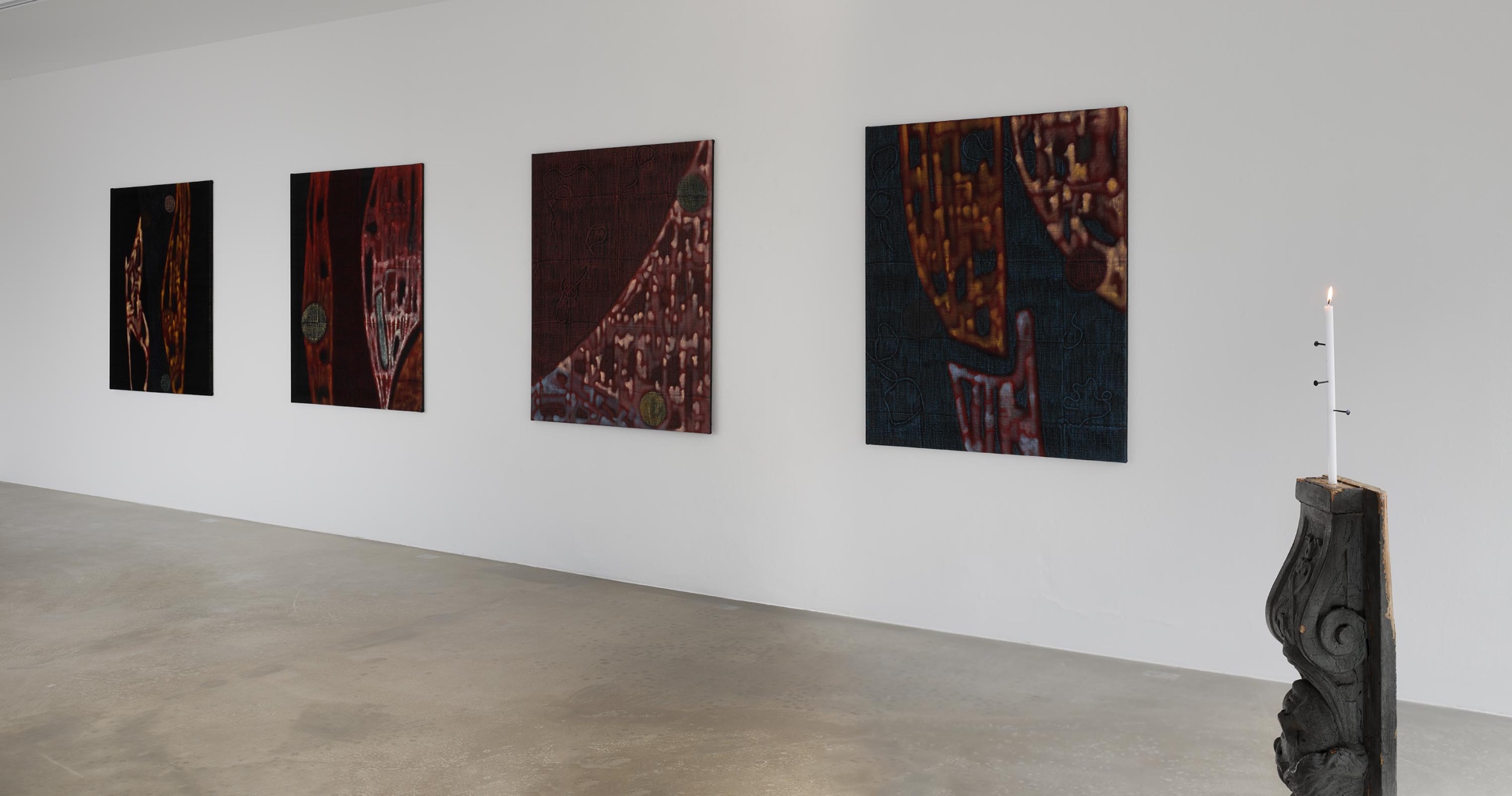
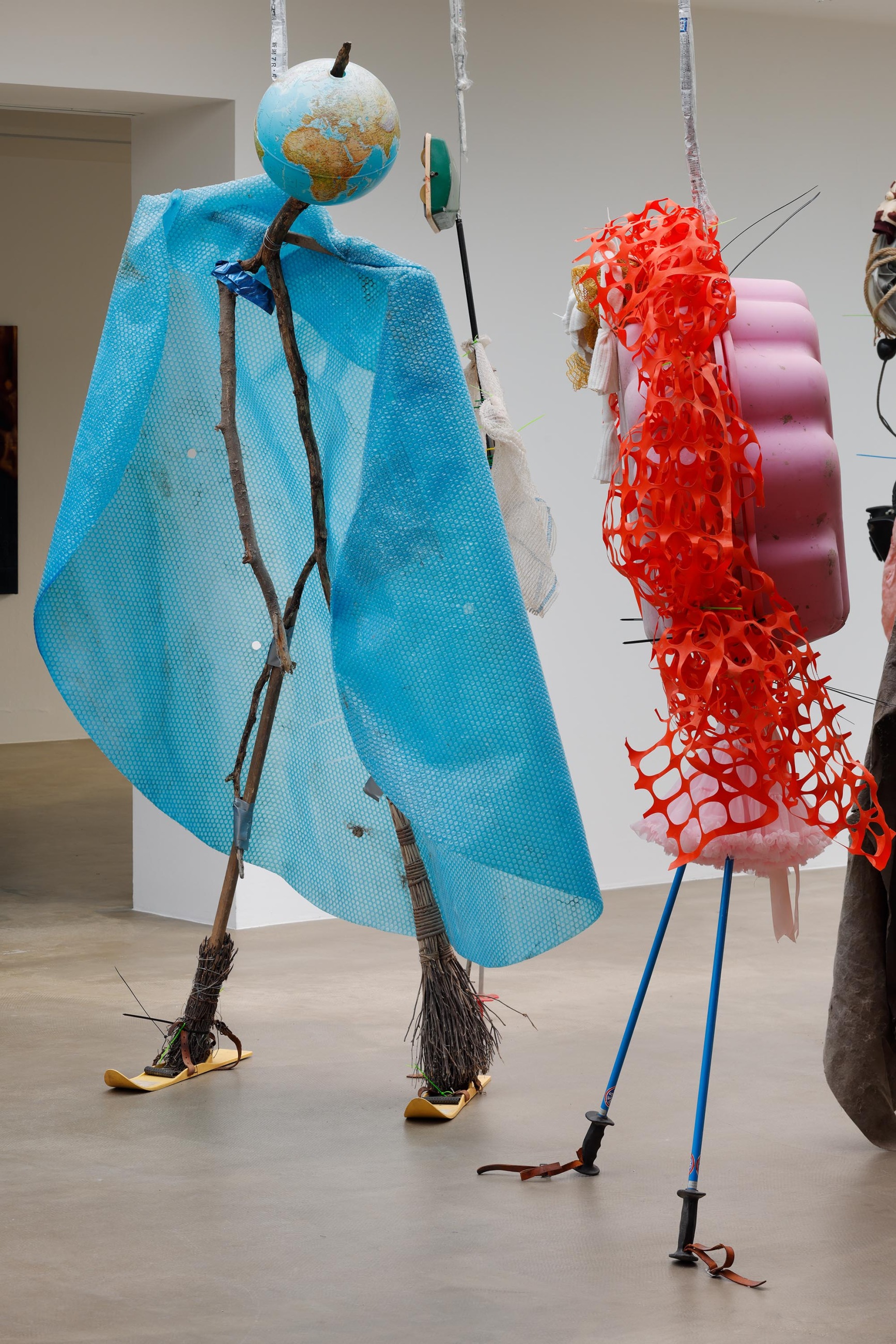
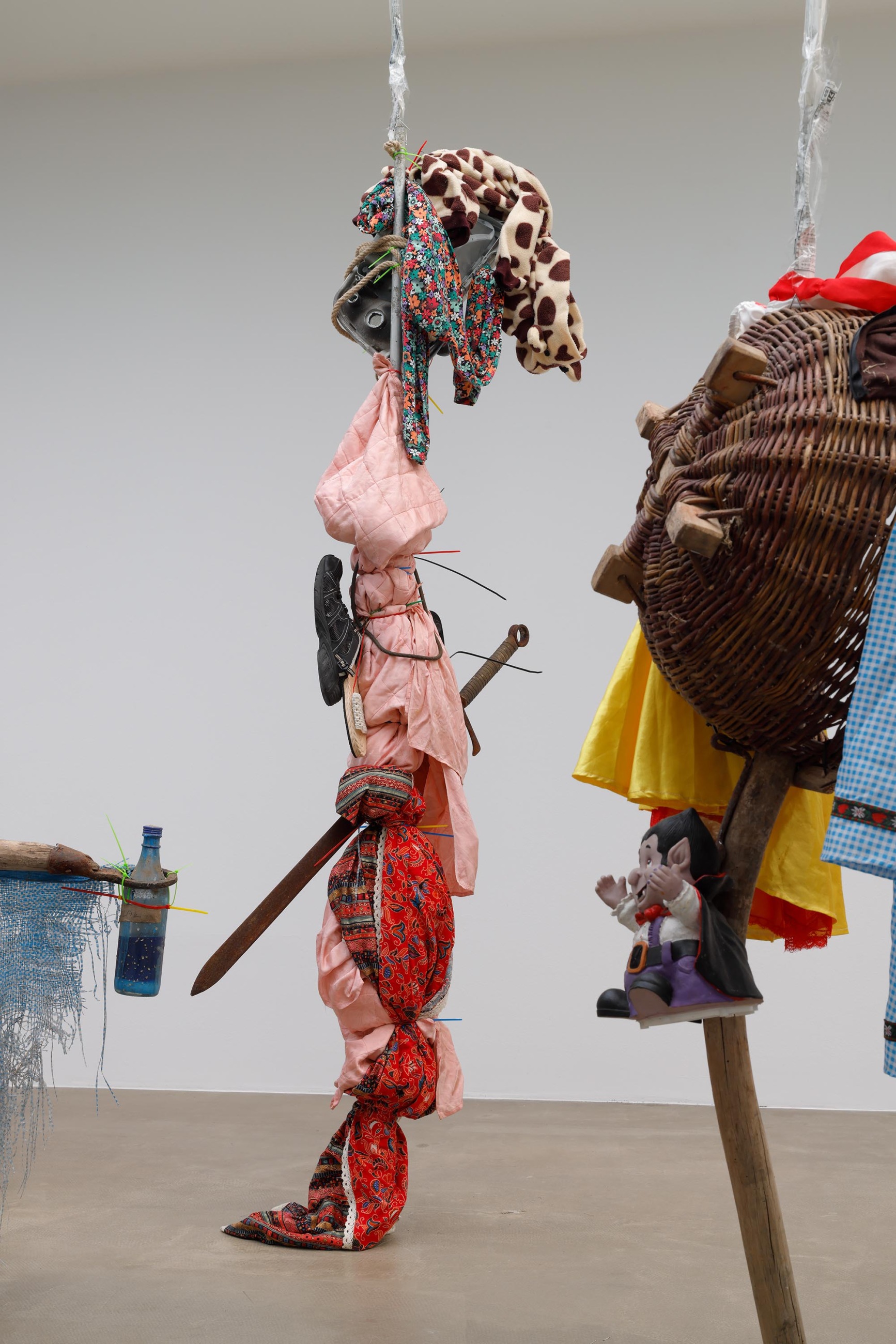
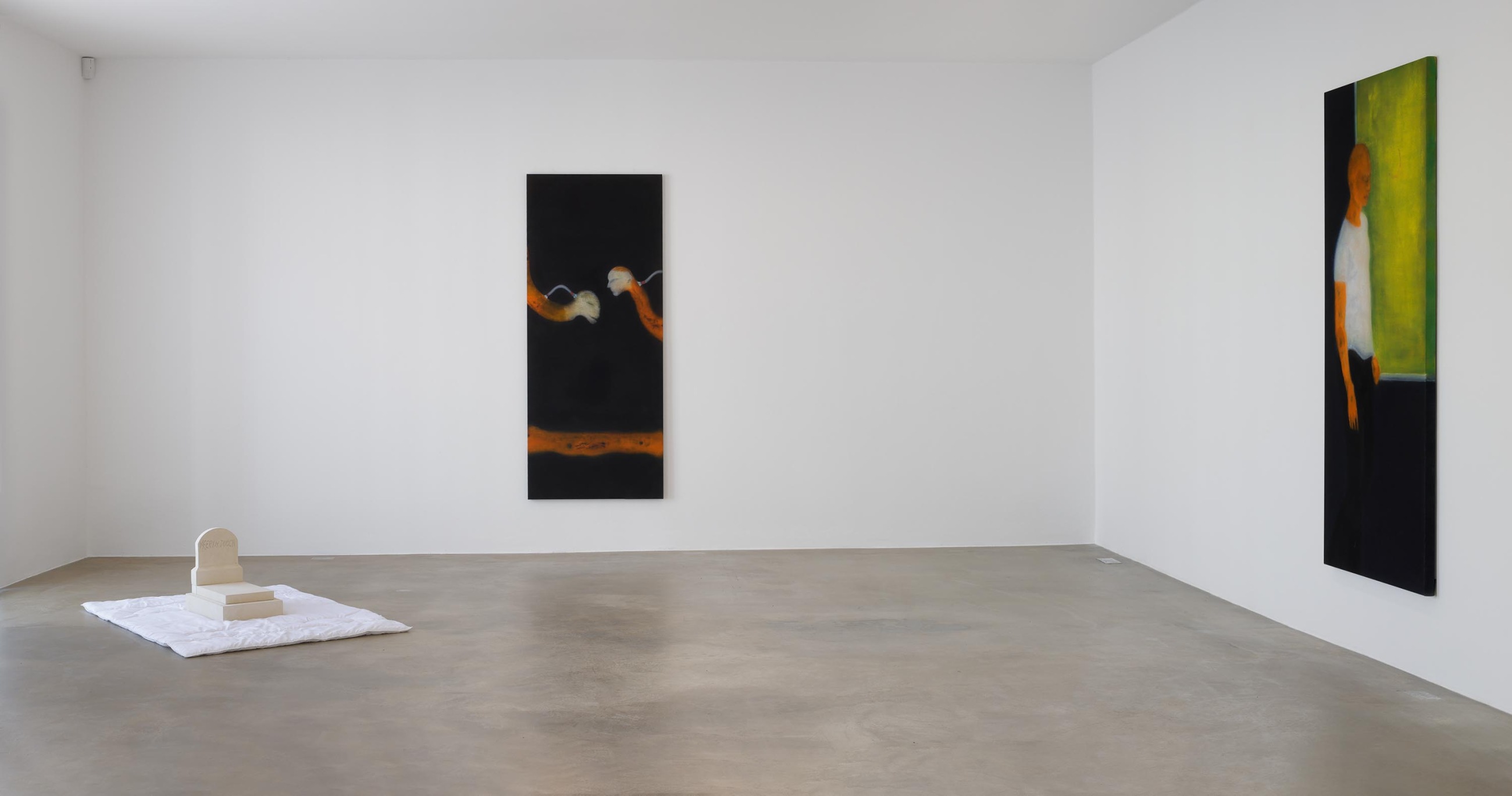
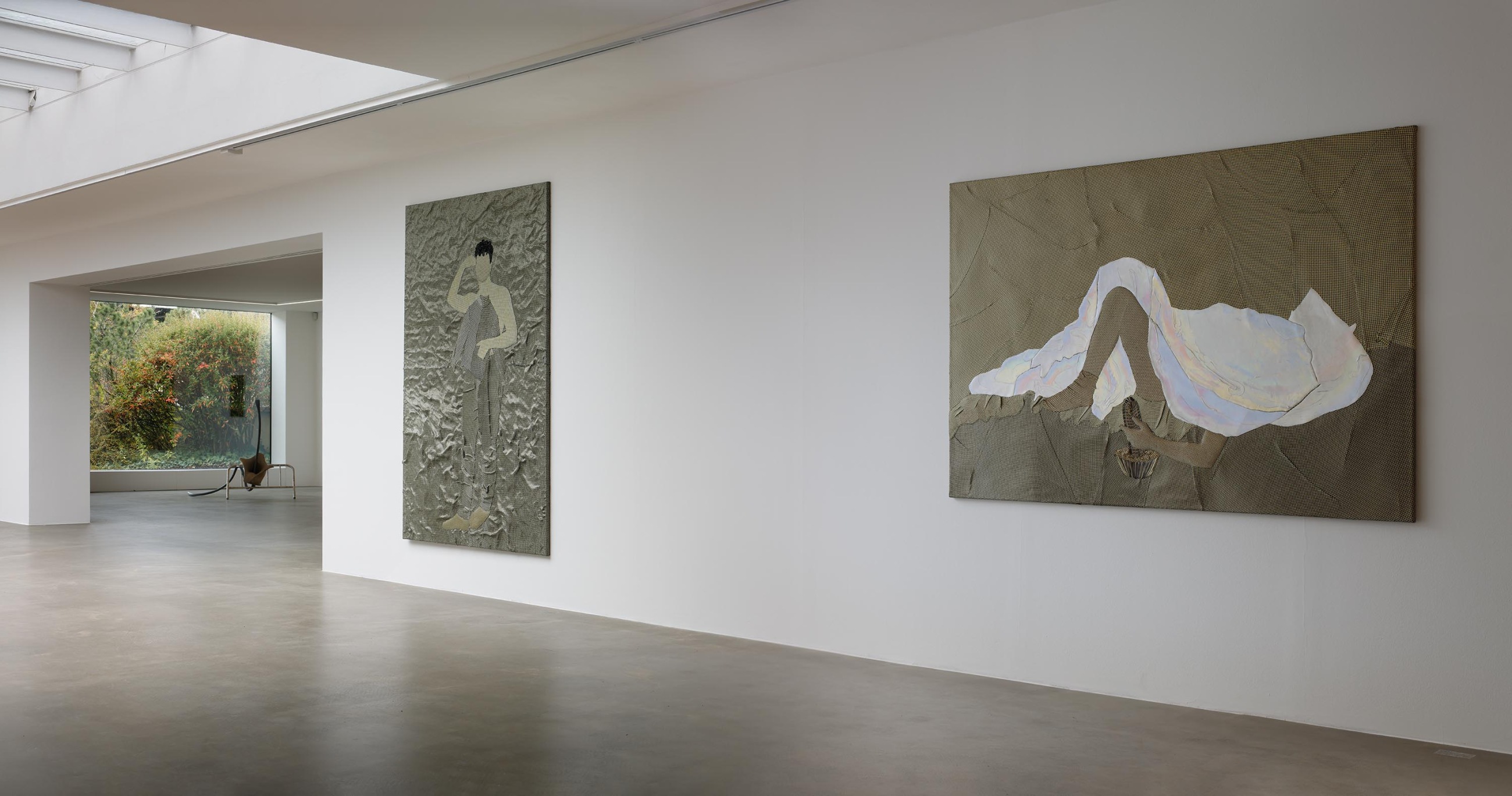
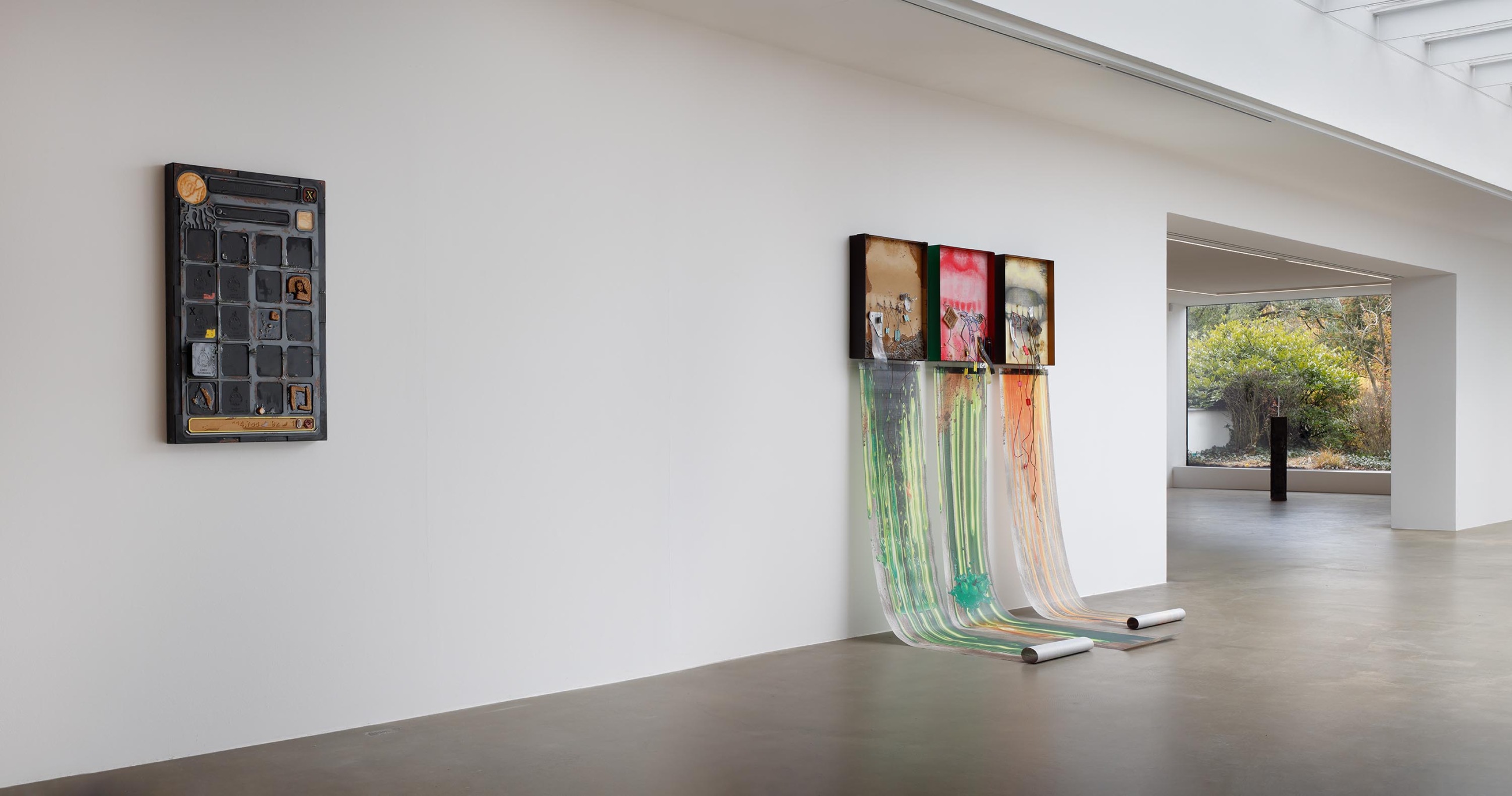
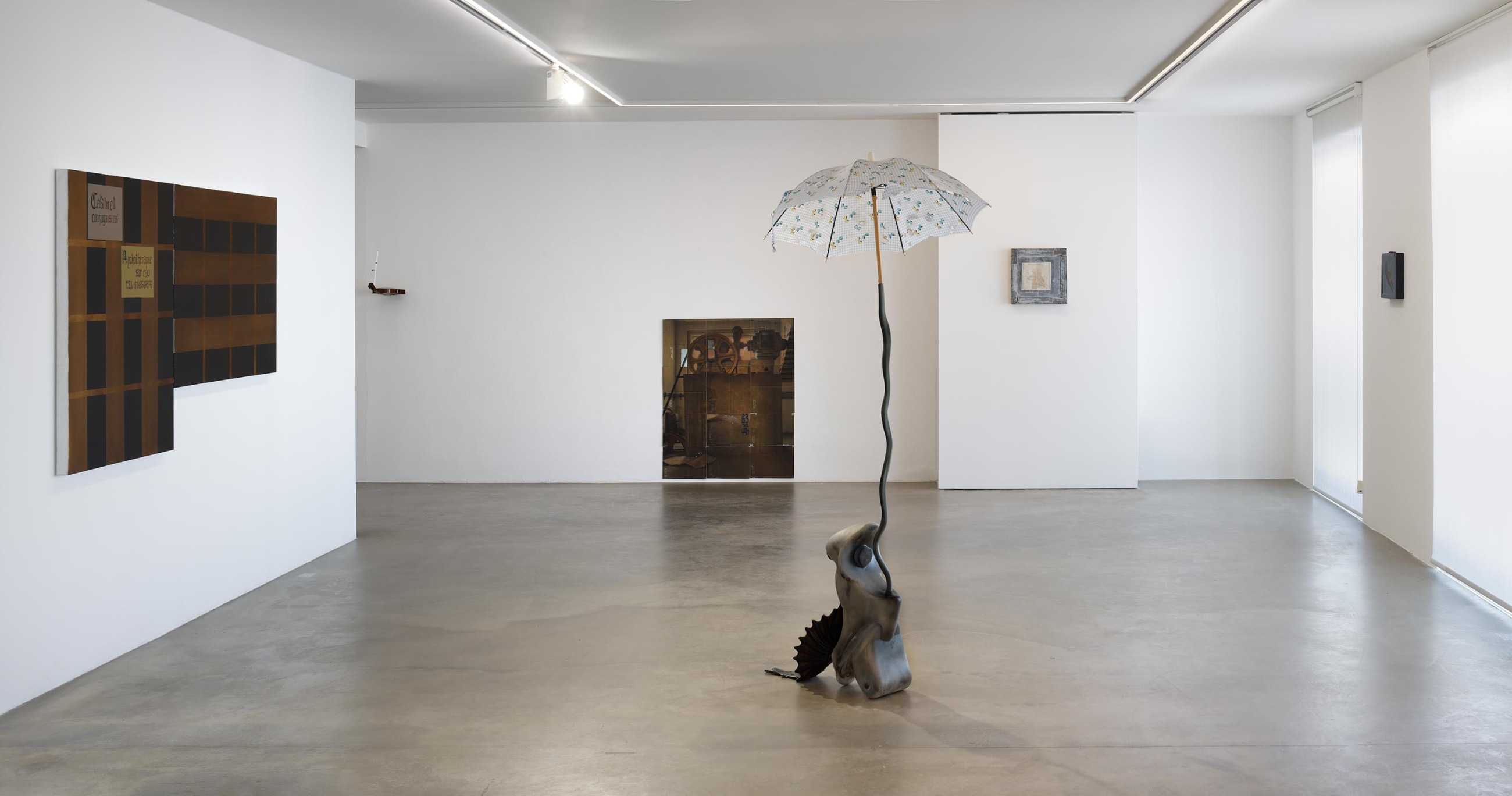
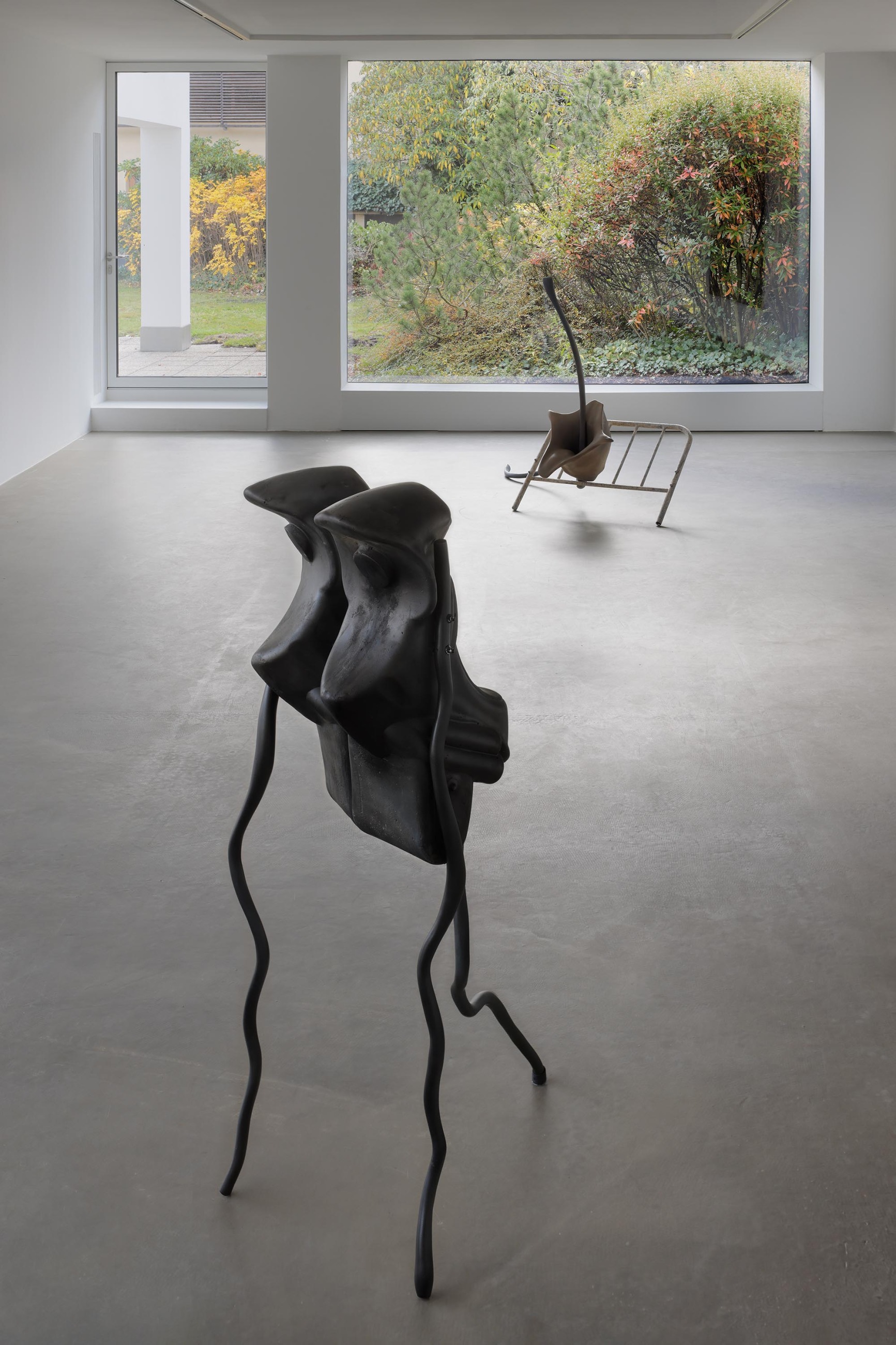
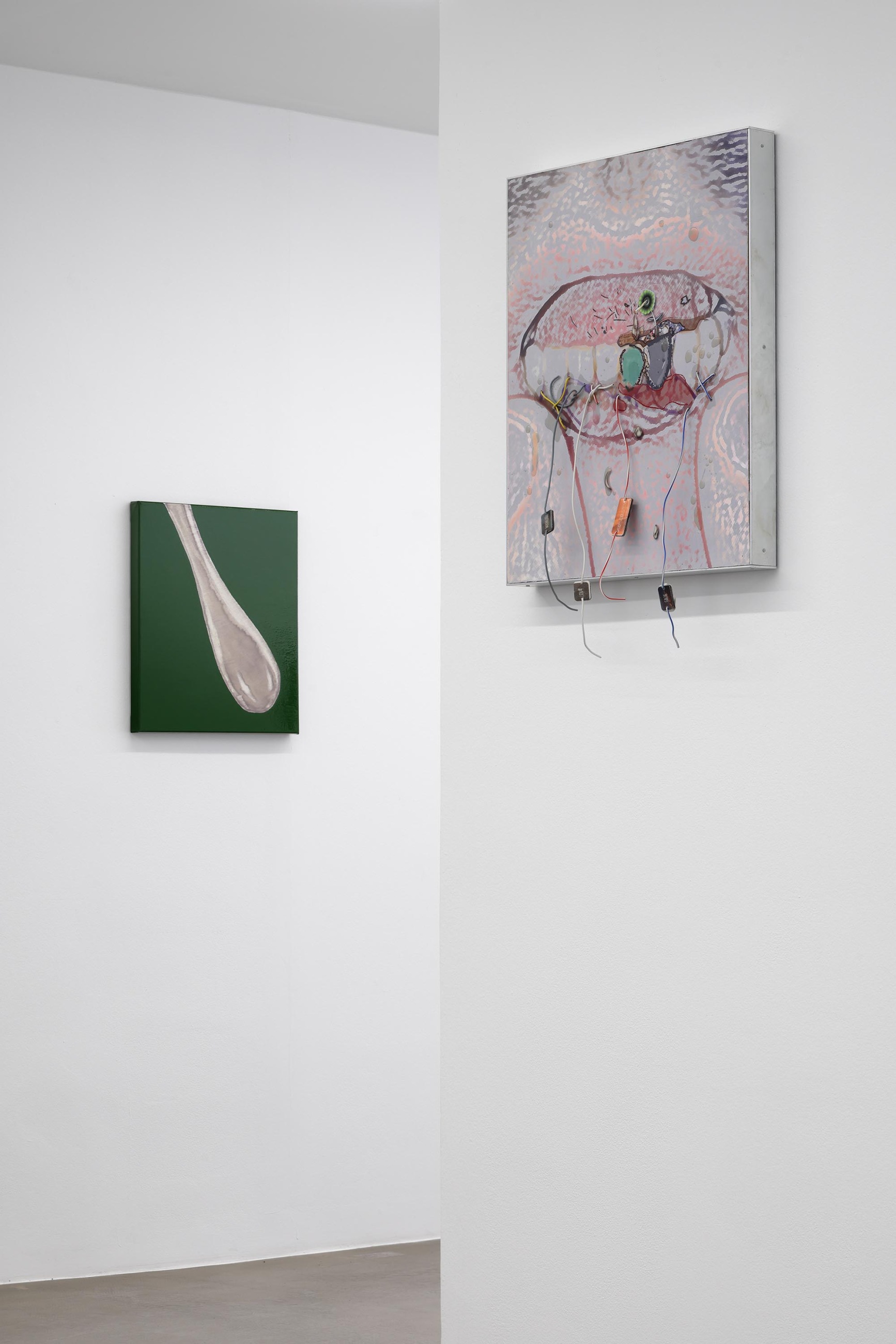
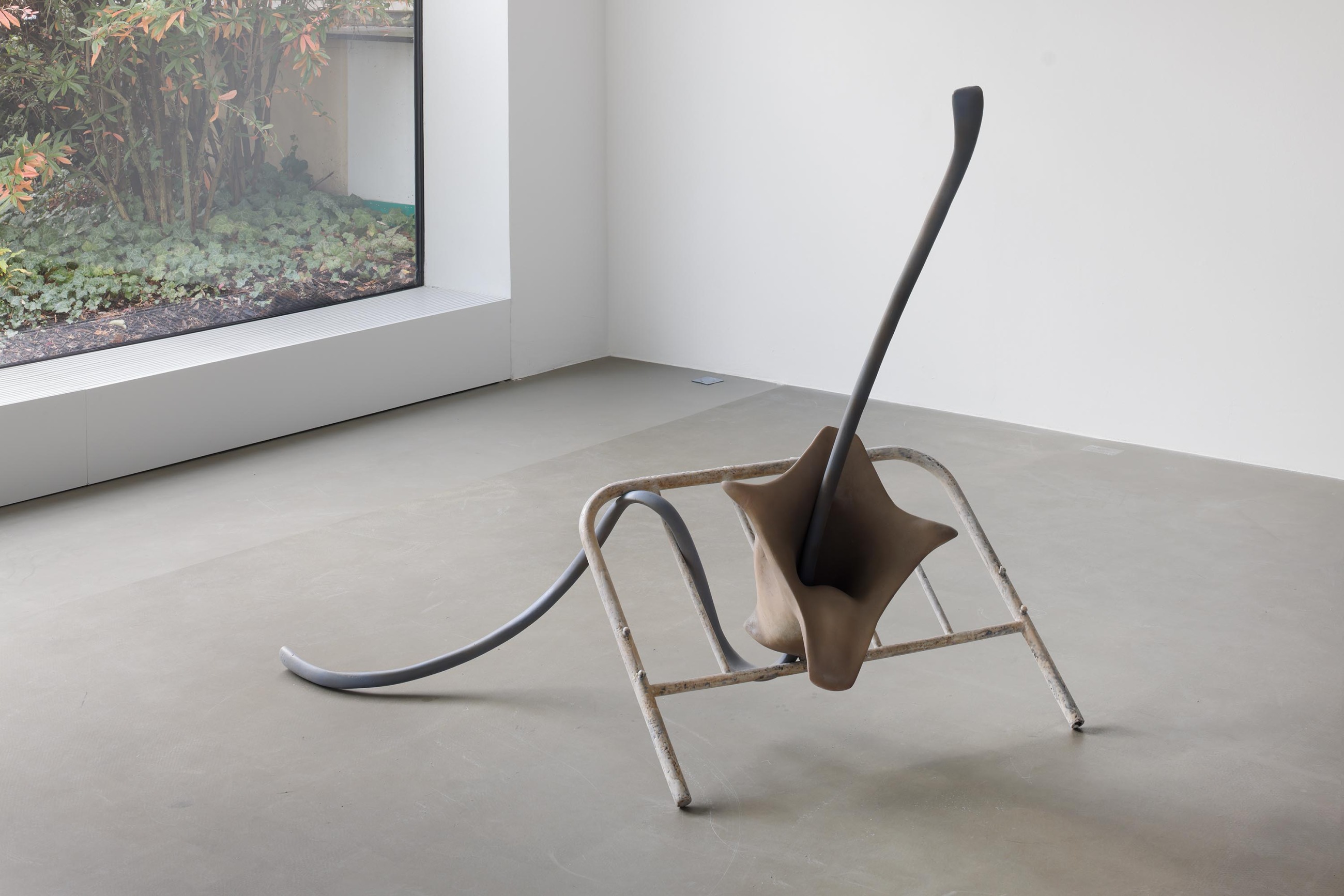
Carbon fibre can resemble woven fabric, an industrial surface can look like skin. The digital world ends up in cork, plexiglass, metal and rubble. Waste turns into architecture, a portrait ceases to reliably represent its subject, and an ordinary object acquires a faintly occult or paranoid charge. Somewhere in the background remain landscape, the body, infrastructure, horror, labour, the internet, production and memory. Not exactly as themes, but as former environments whose traces continue to cling to things.
Strange things often emerge through rather banal operations: something is moved, turned around, enlarged or joined to something else. Ed Atkins once asked, “Why choose when I can keep smooshing shit together into tighter, weirder objects?” It is a joke, but also a fairly precise description of how a complicated object comes into being. Not by adding another explanation, but by allowing several different logics to remain compressed against one another.
Perhaps this is why humour and a certain unease are not opposites here. Both begin at the moment when we recognise something that no longer behaves as it should. The body is too smooth, the material too artificial, the technology too organic, the ruin too new. Things retain enough of their previous identity for us to recognise them, yet not quite enough for that recognition to remain comfortable.
The seven positions in Little Mission emerge from Czech and French contexts, although this geographical information in itself explains very little. Prague and Paris share a long history of cultural observation, appropriation and projection. Today, however, images, materials and references travel along different routes, and considerably faster than their authors. A gaming environment, a Ghanaian textile, industrial production, cinematic horror or a discarded piece of plastic may ultimately find themselves at a surprisingly similar distance from Litomyšl.
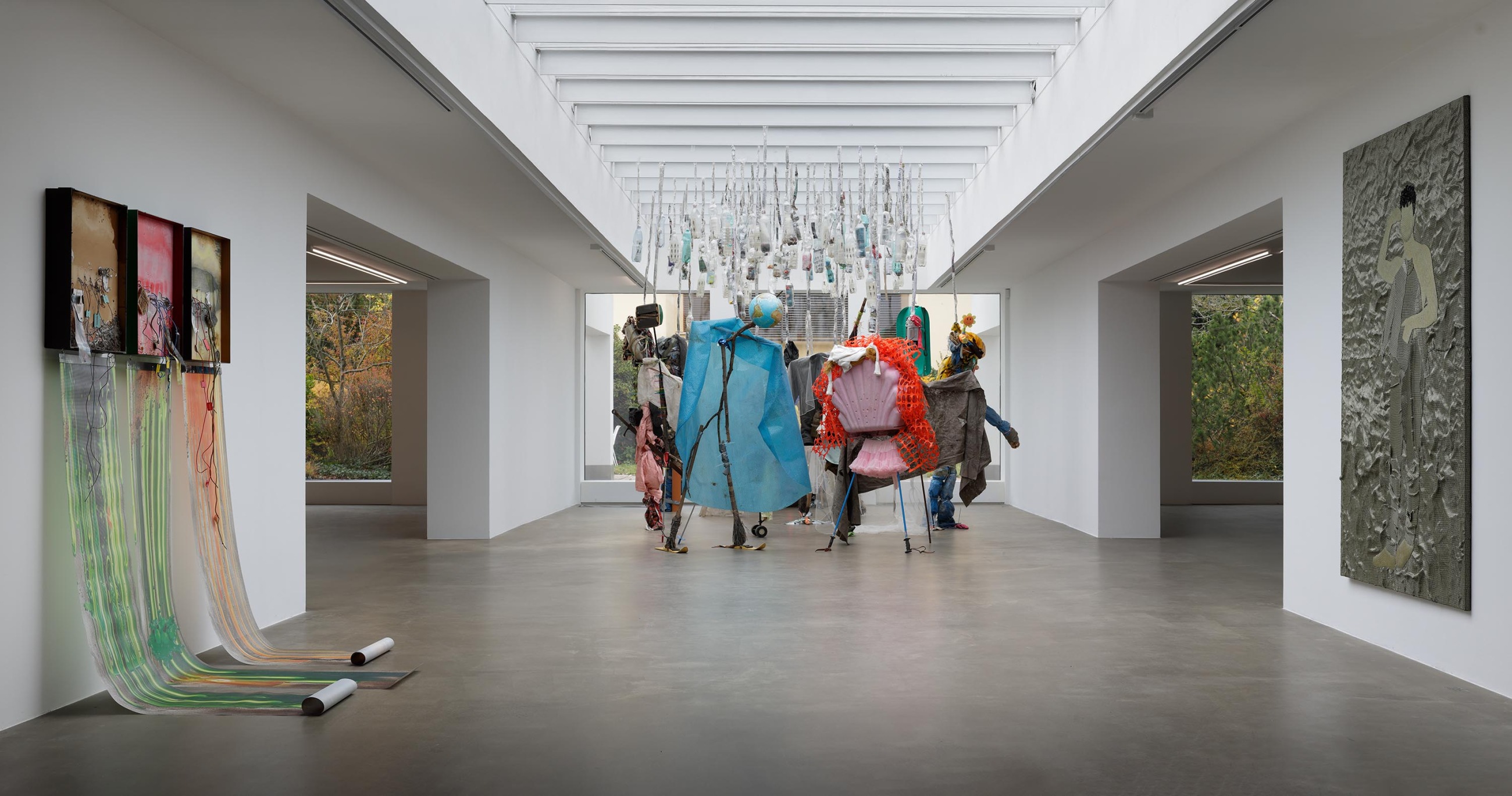
Little Mission places them in the same room for a while. Some things understand each other immediately; others do not at all. And some begin to make sense precisely because they should not be next to each other.
Natálie Kubíková
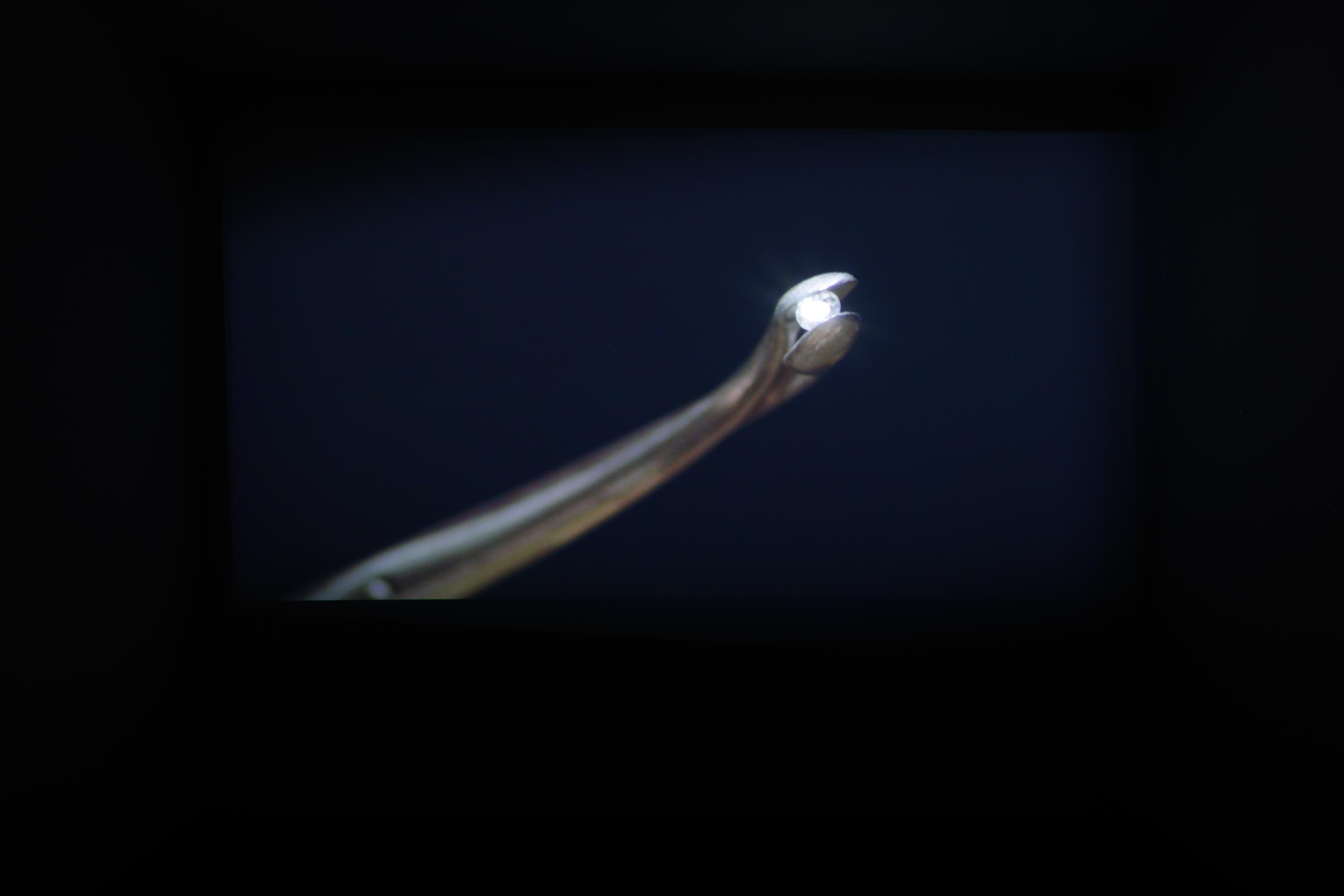
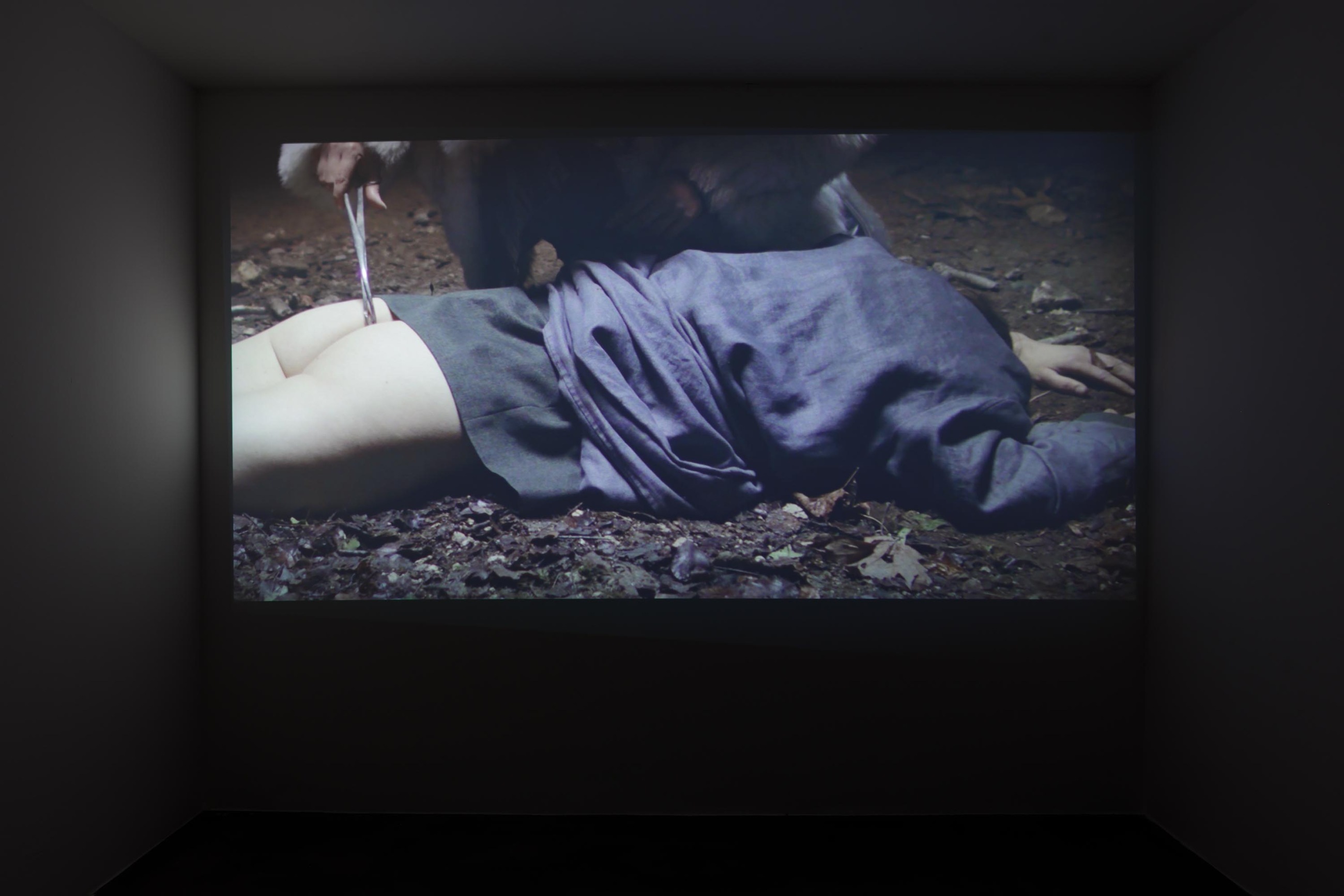
Laura Gozlan
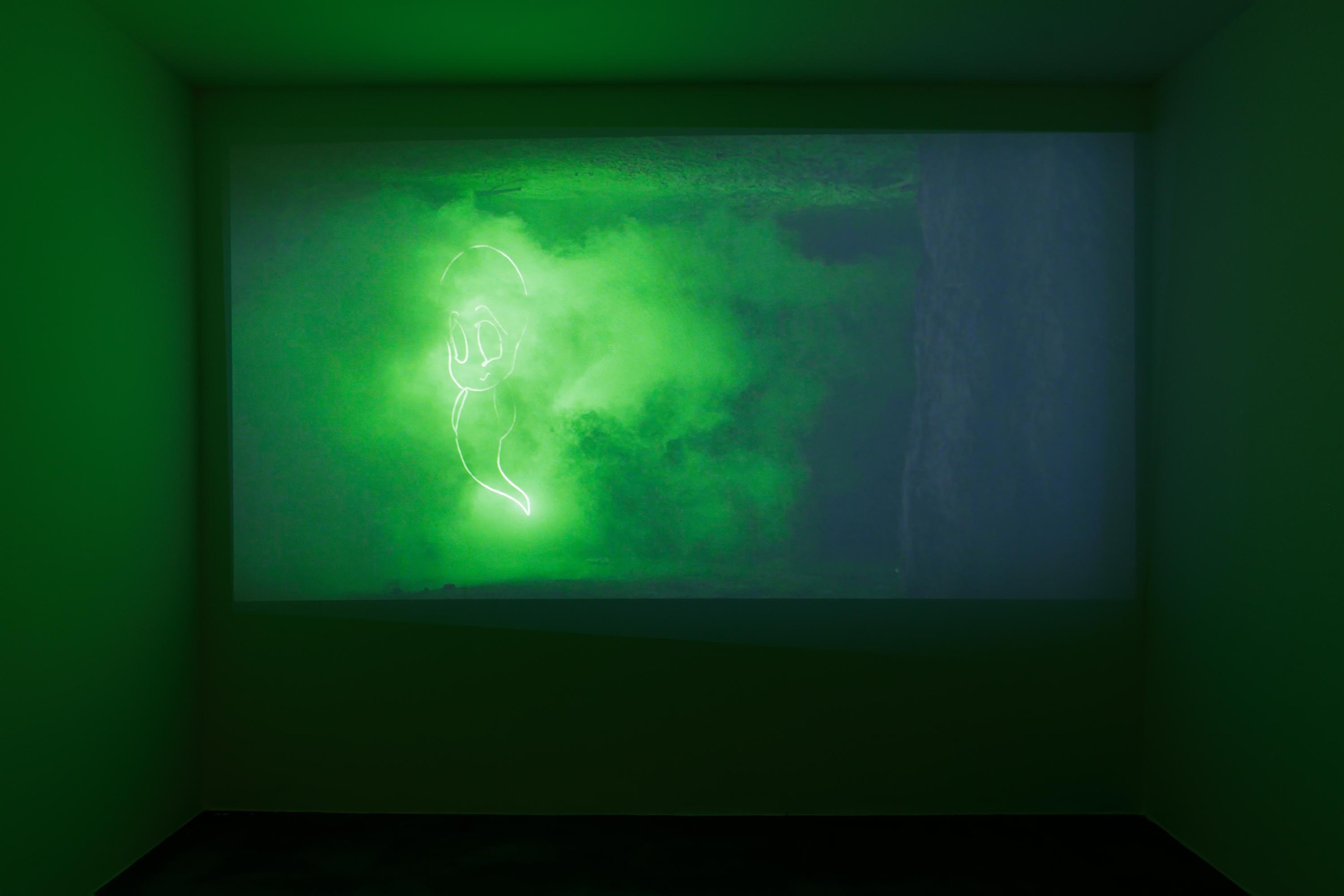
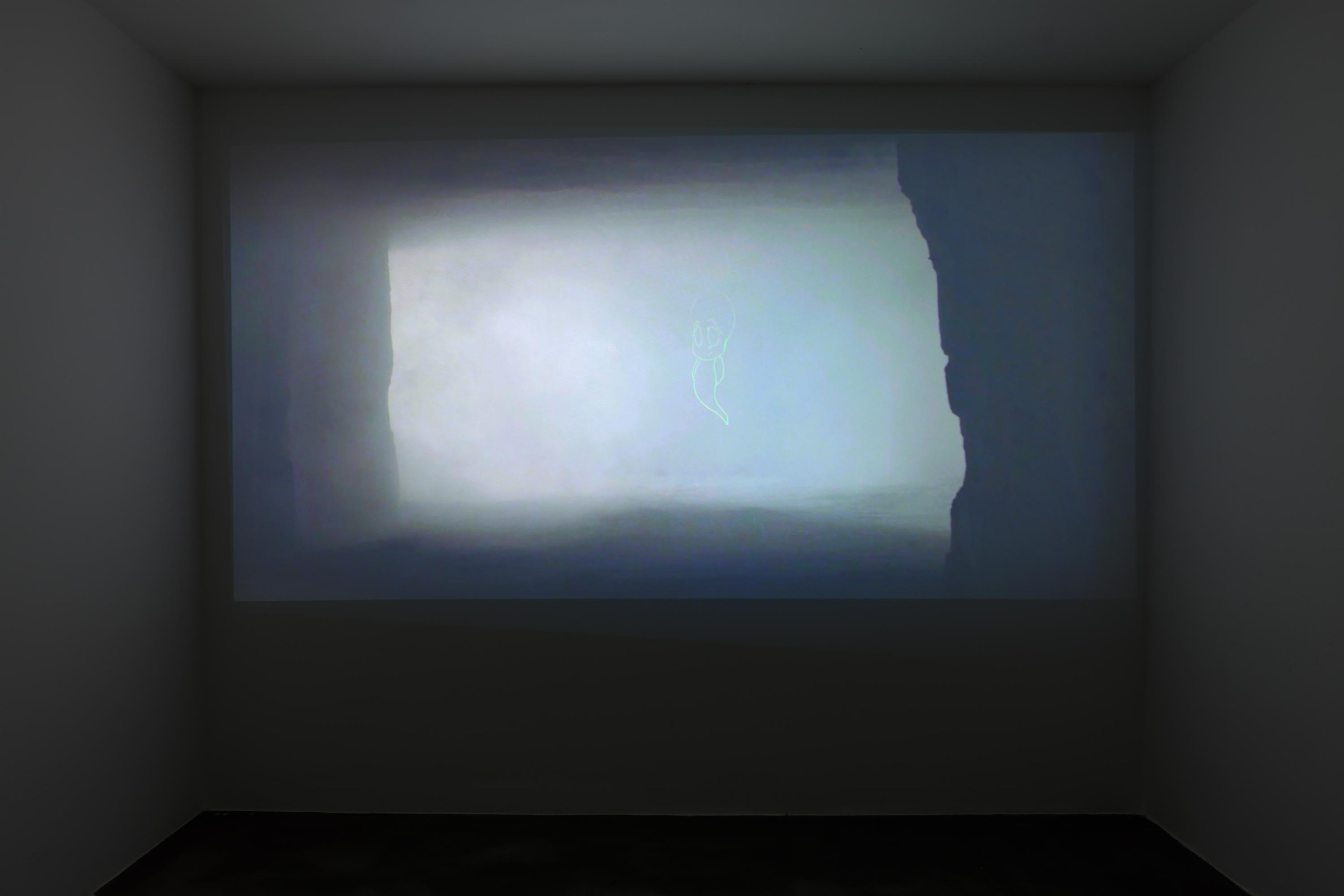
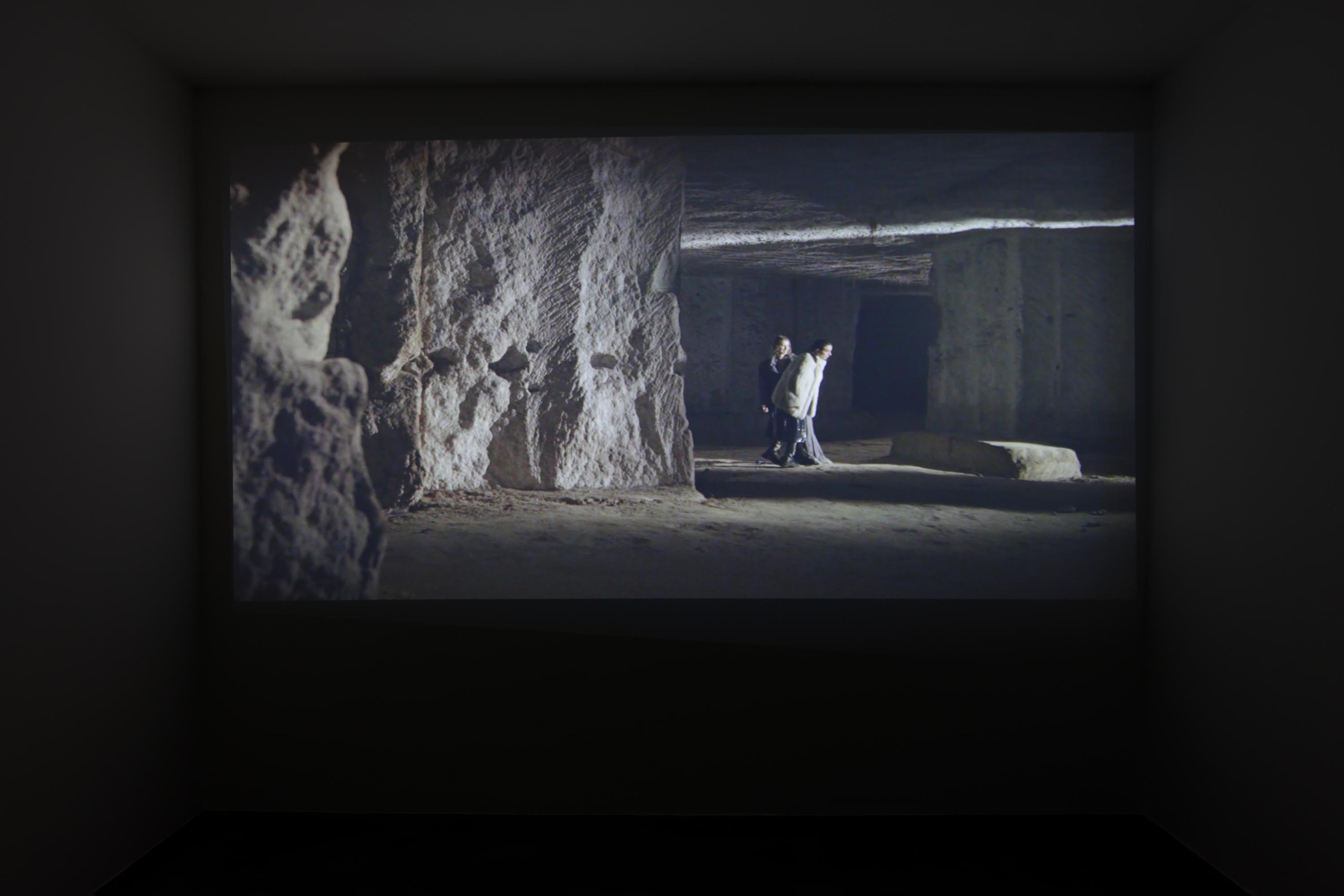
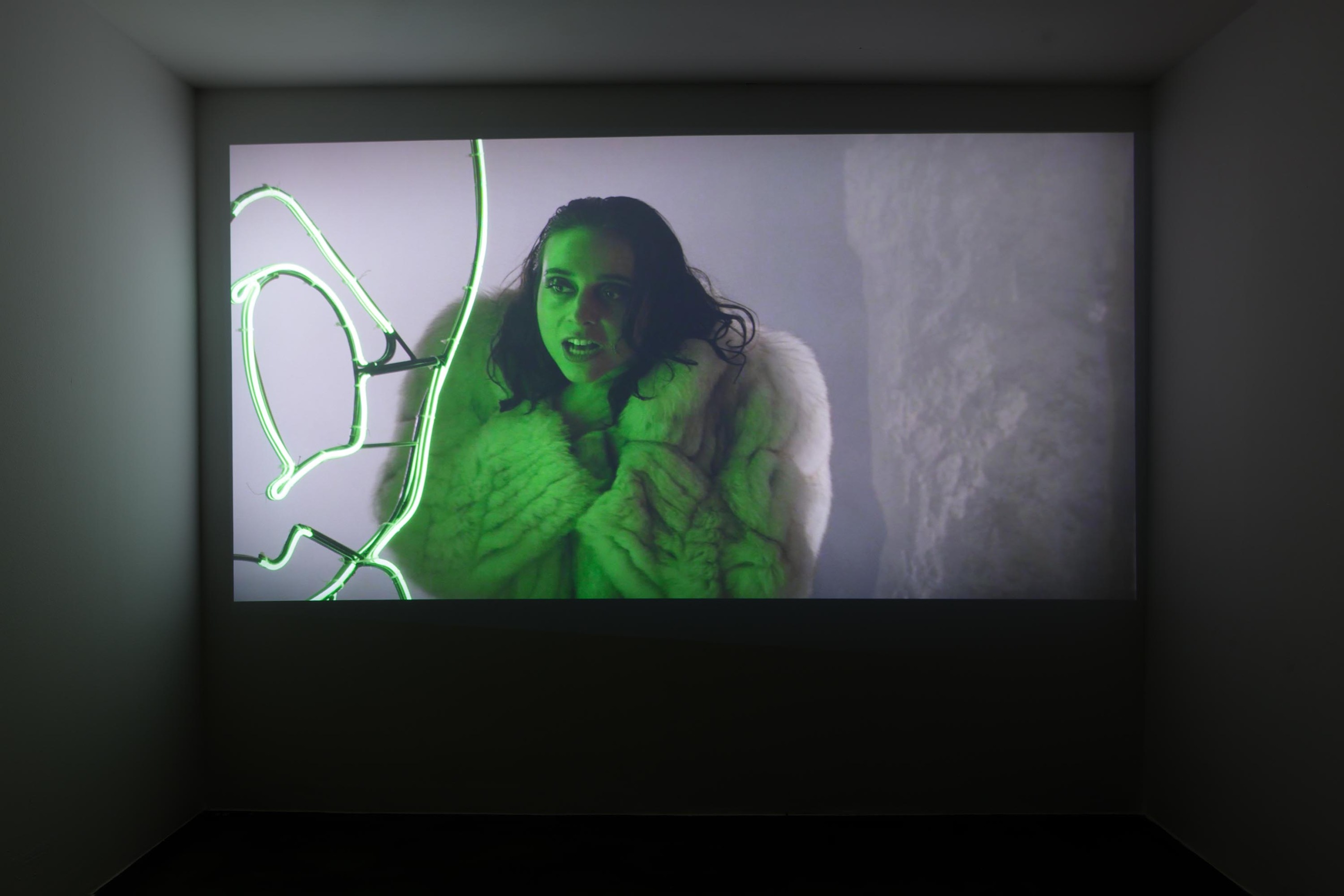
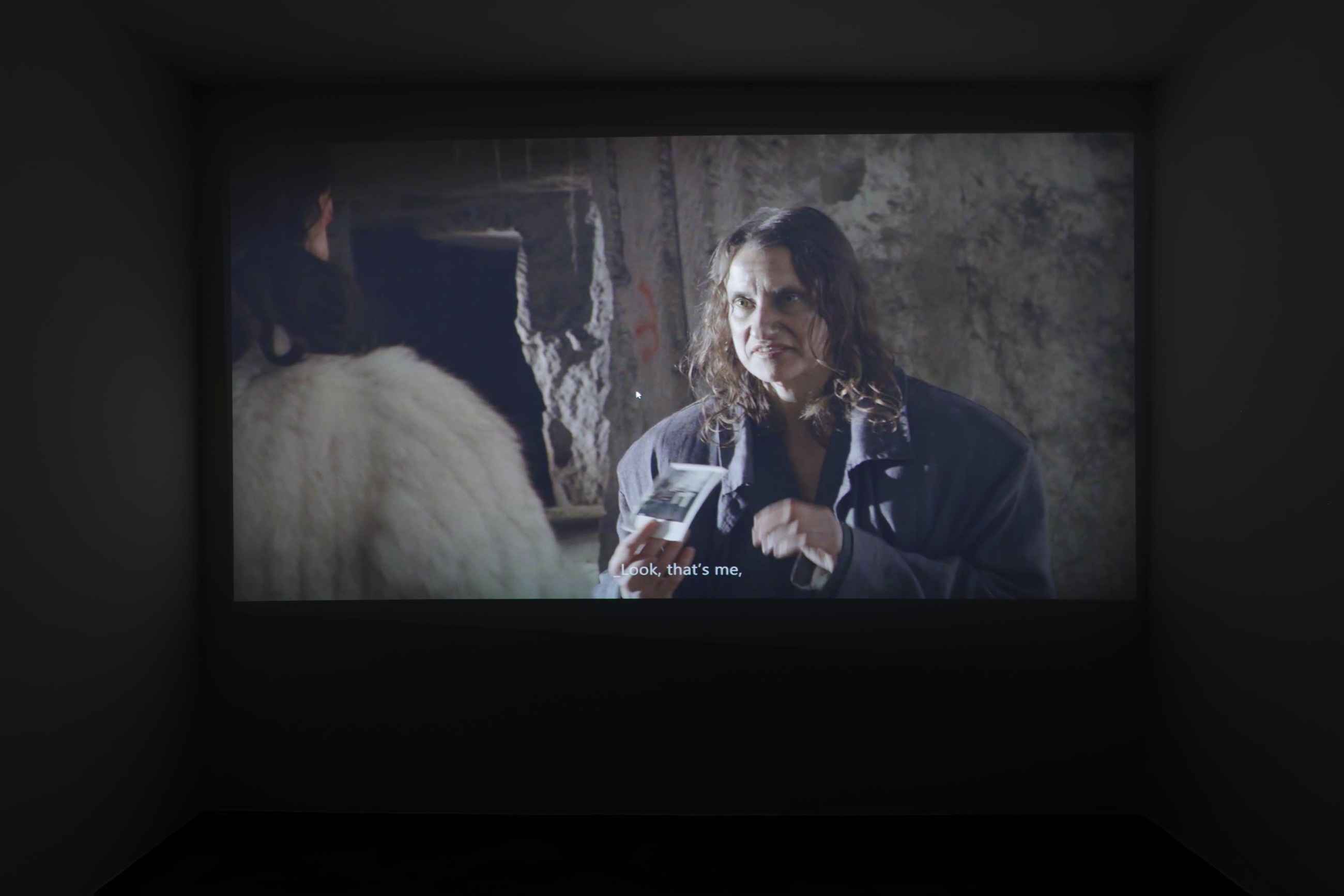
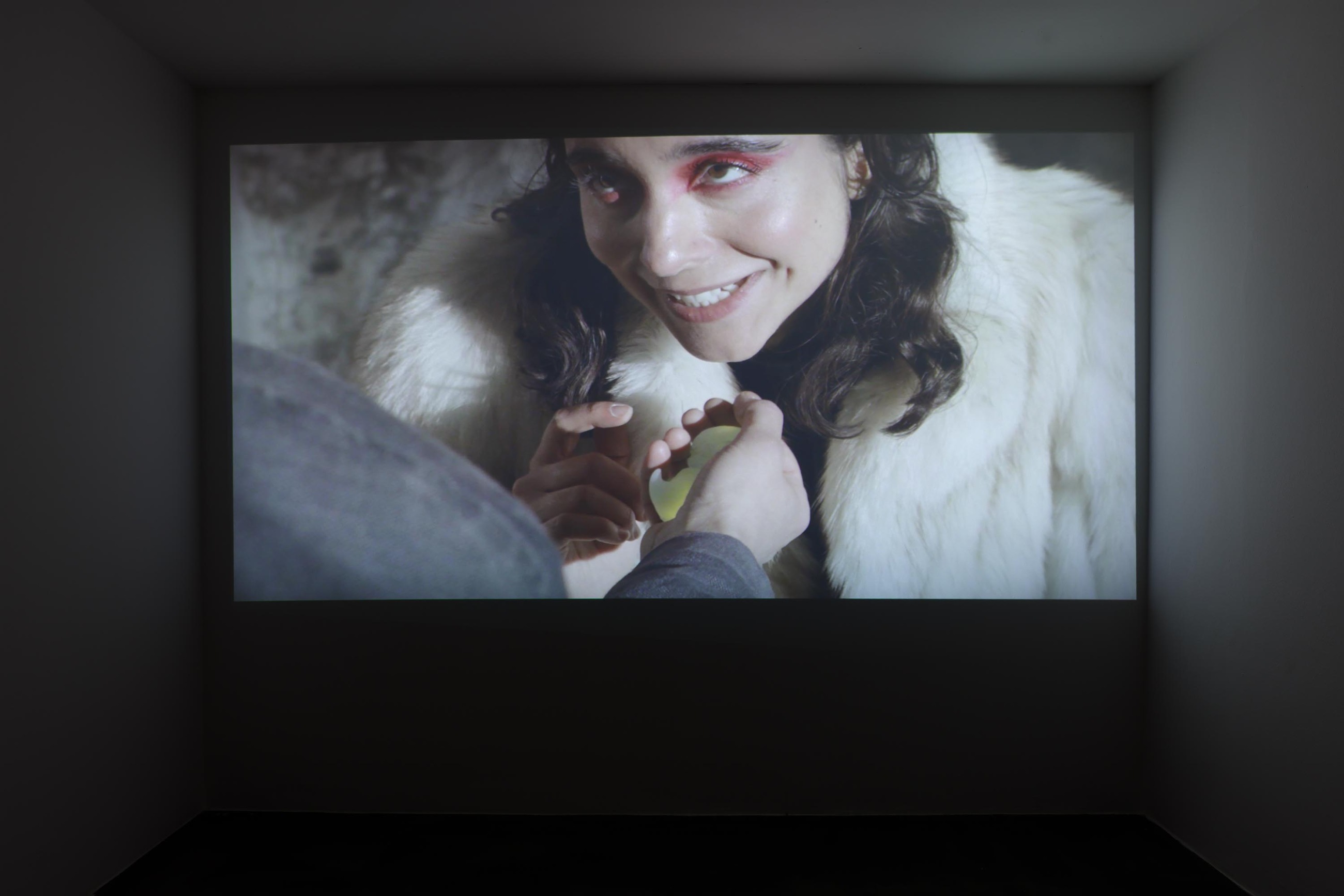
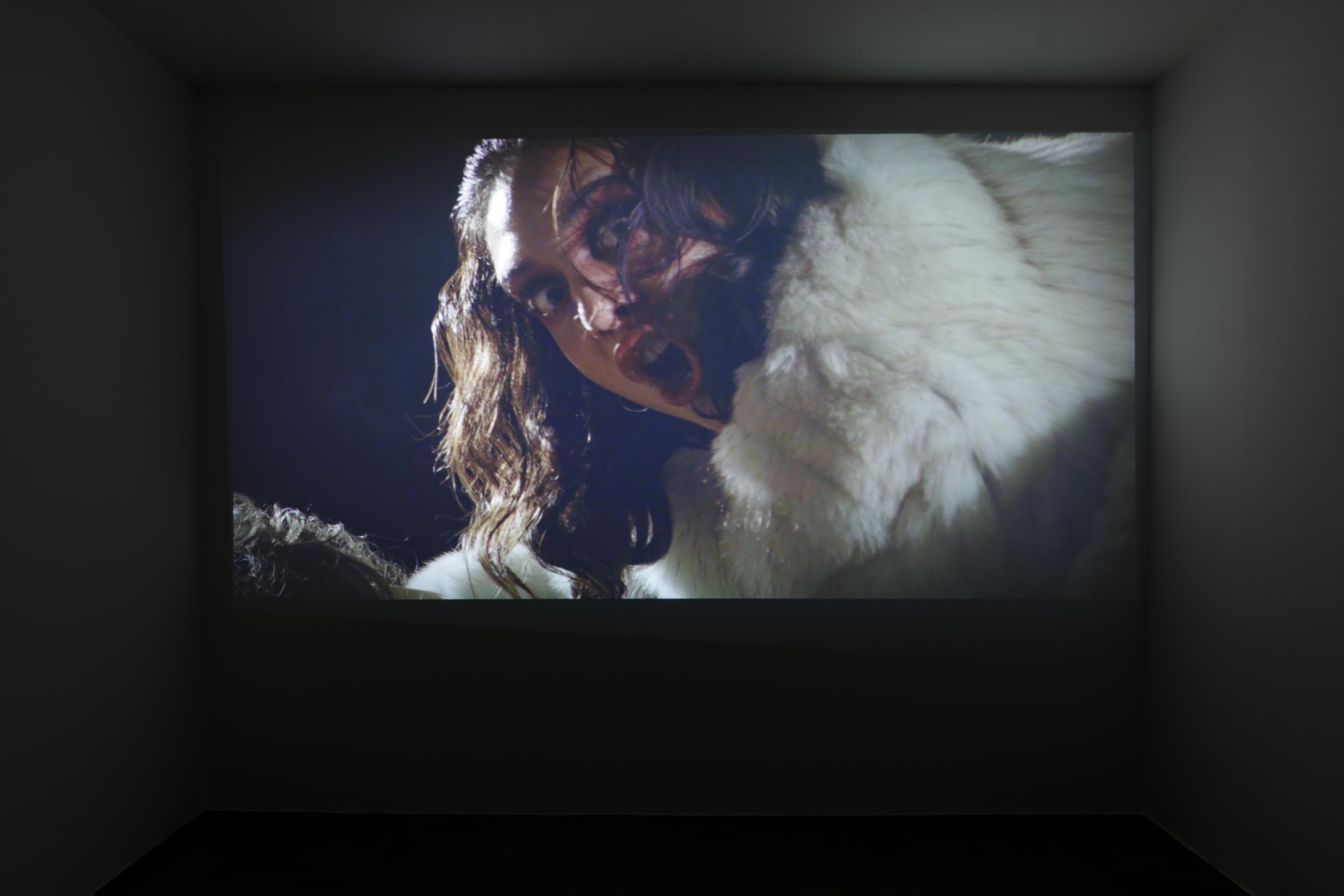
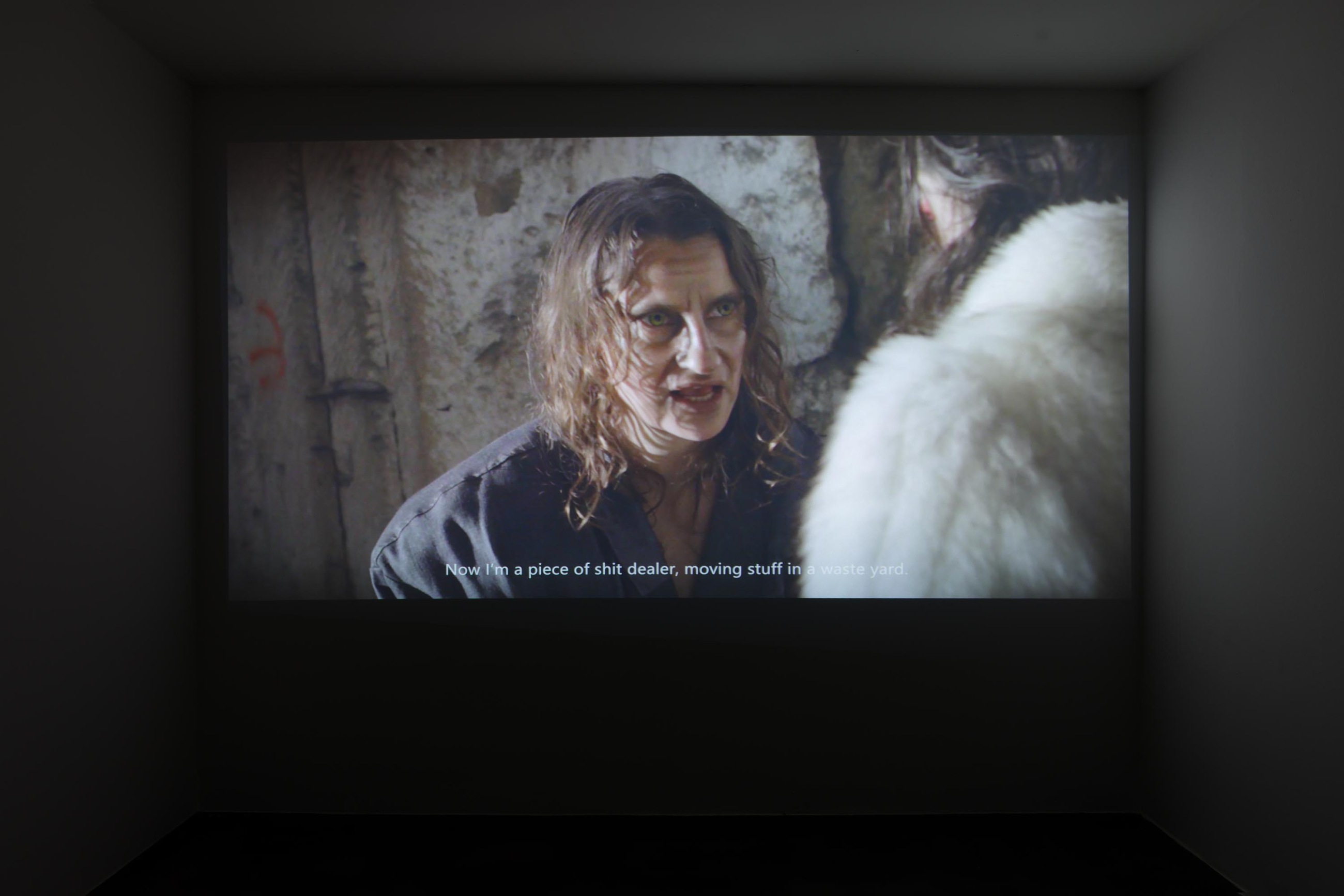
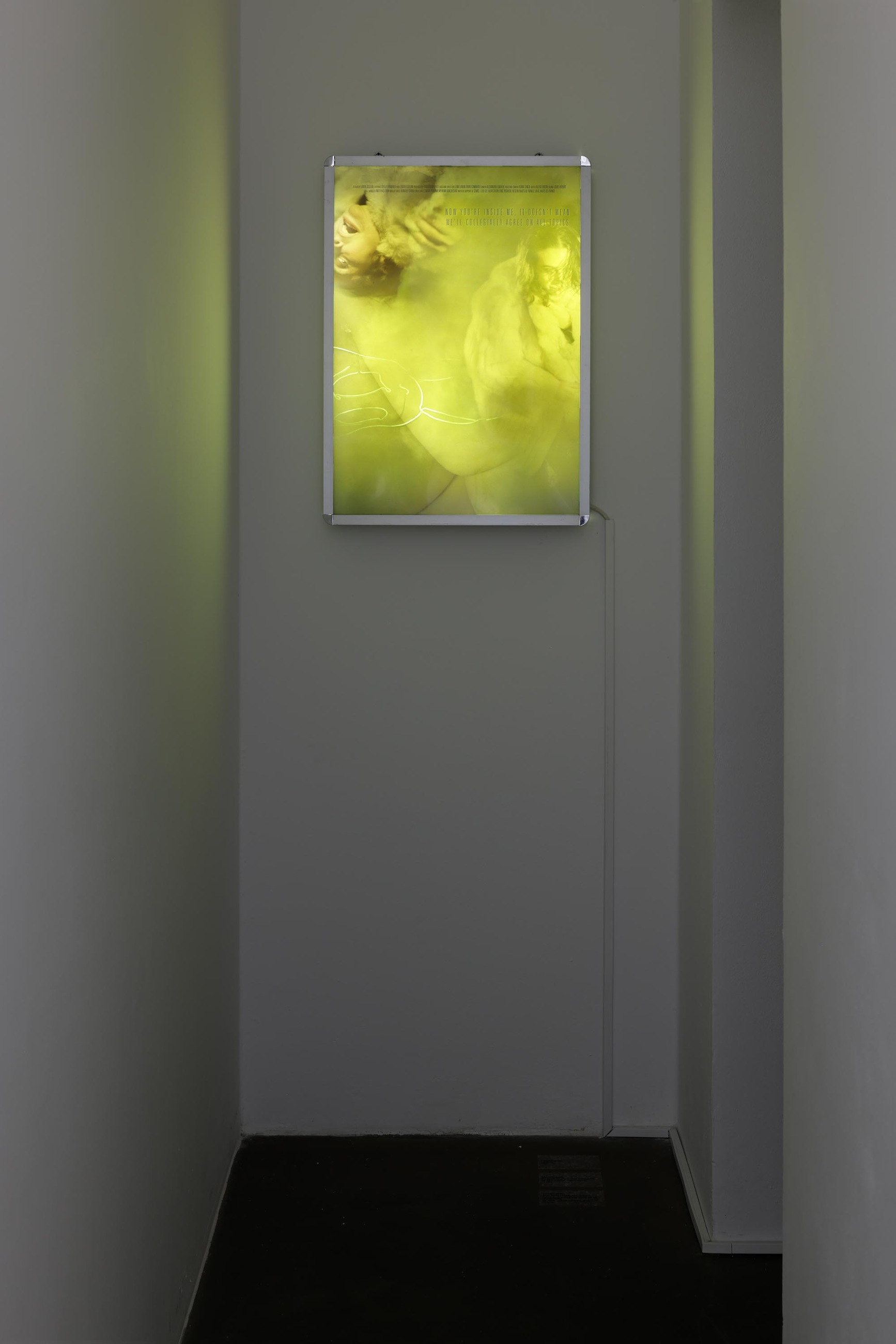
Laura Gozlan (b. 1979) lives and works in Paris. Working across film, sculpture and installation, she constructs fictional worlds informed by body horror, science fiction and the visual languages of medicine, cosmetics and biotechnology. Her practice focuses on the body as a site of transformation, desire and anxiety, bringing together prosthetic aesthetics, ageing, mutation and ritual with a distinctly dark sense of humour. Her work has been presented at institutions including Palais de Tokyo, Paris; MoCo, Montpellier; 40mcube, Rennes; Passerelle Centre d’art contemporain, Brest; FRAC Normandie; Le Fresnoy; and Futura, Prague, as well as at the Fiskars Village Art & Design Biennale.
Nelson Pernisco
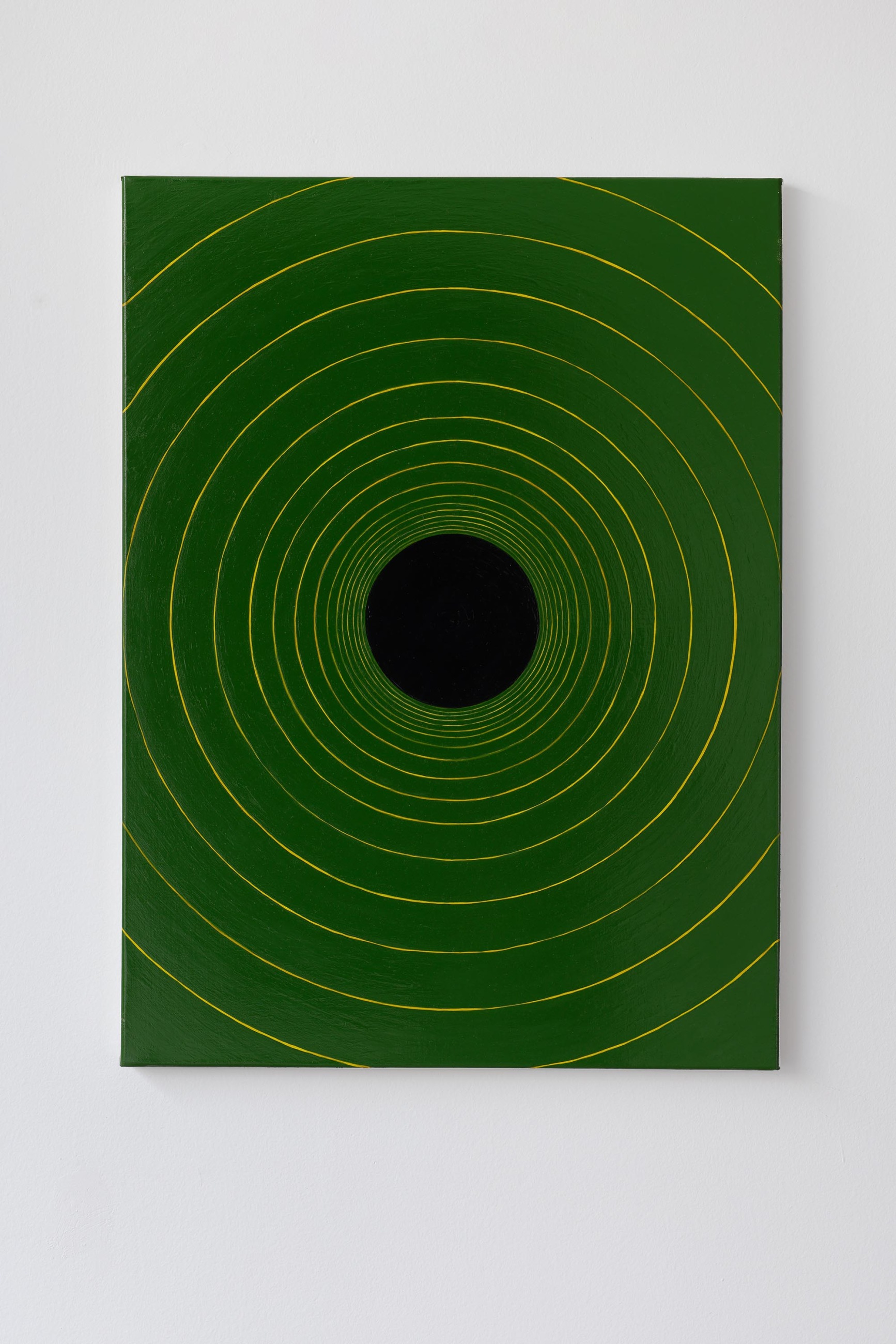
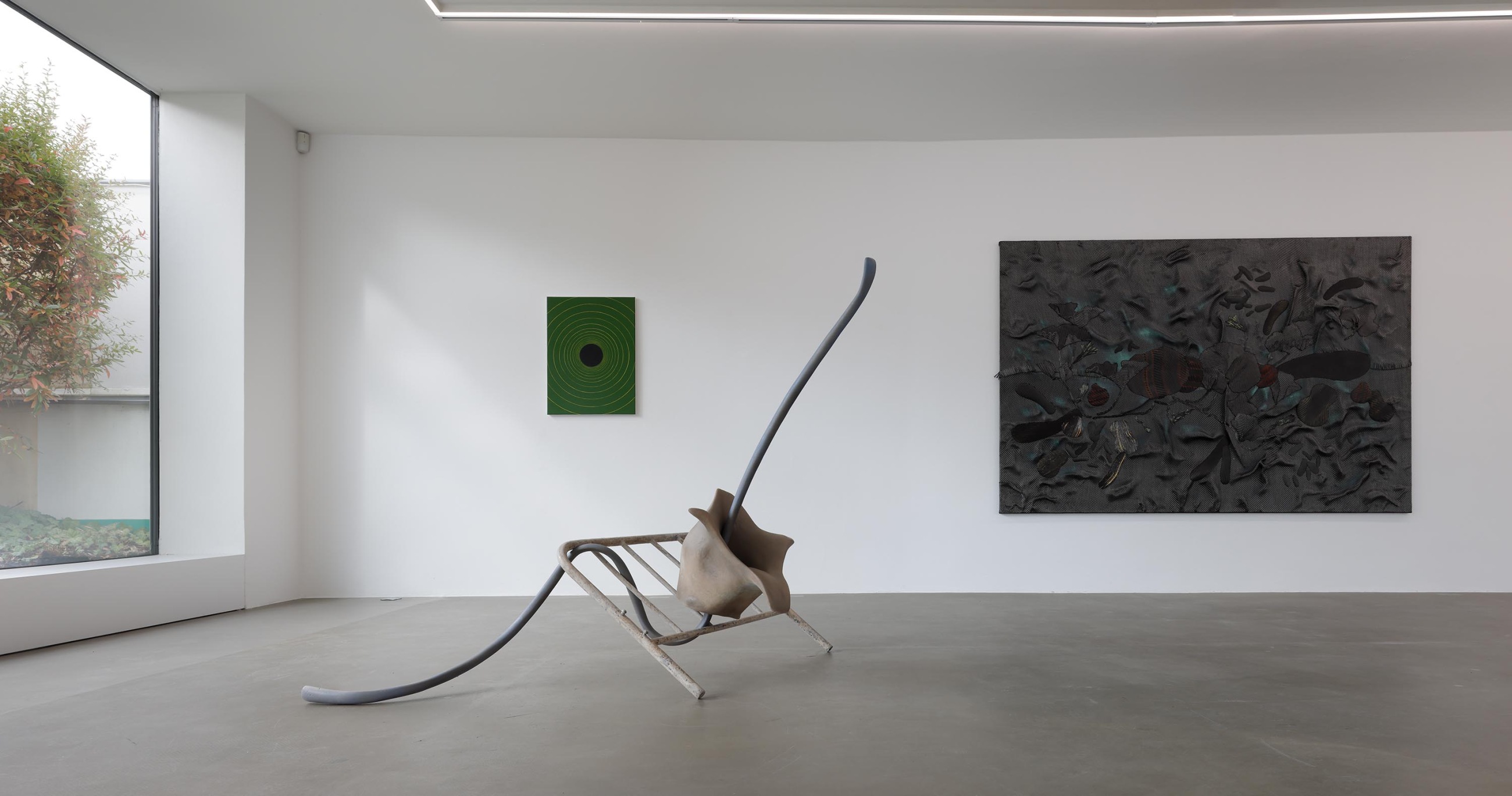
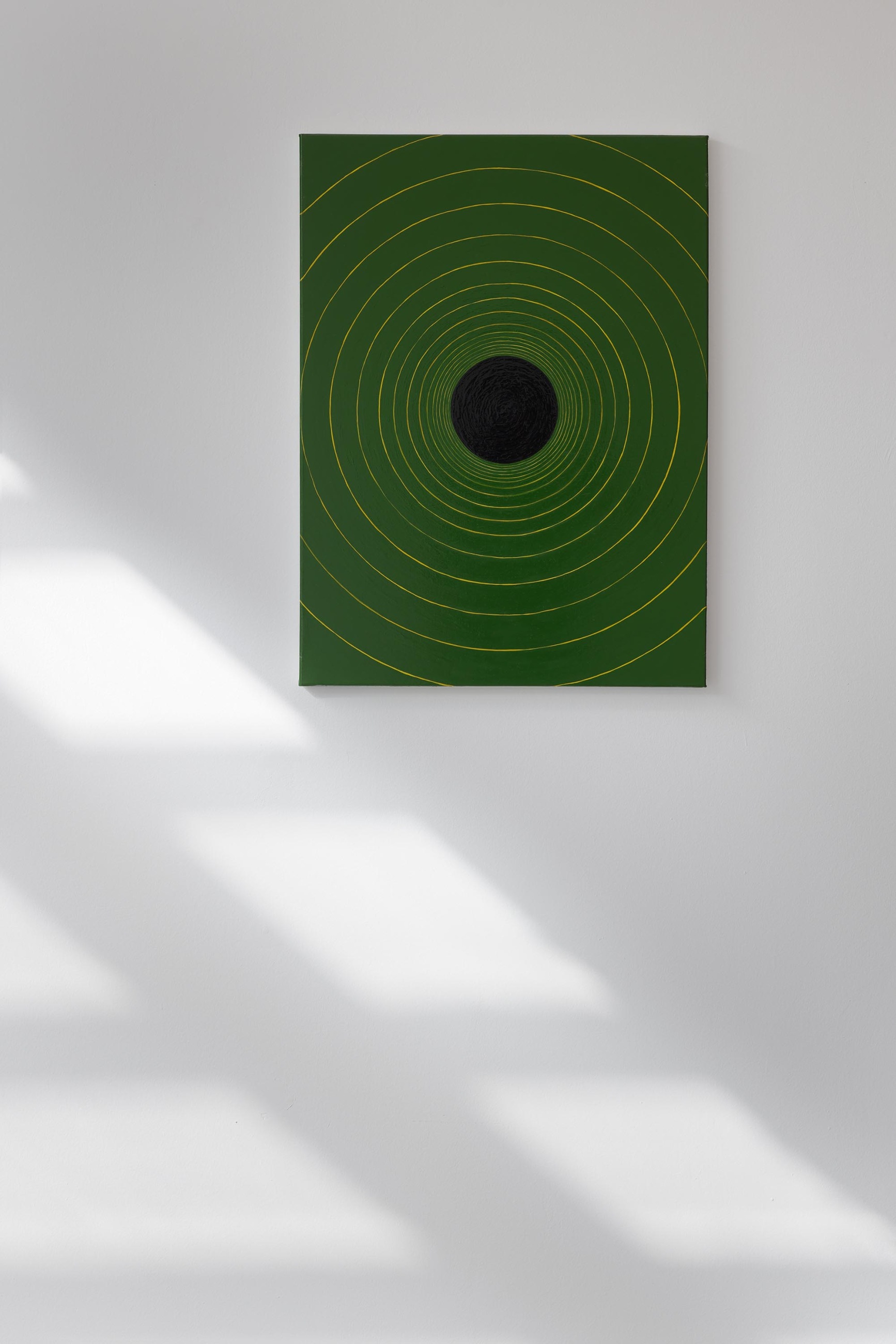
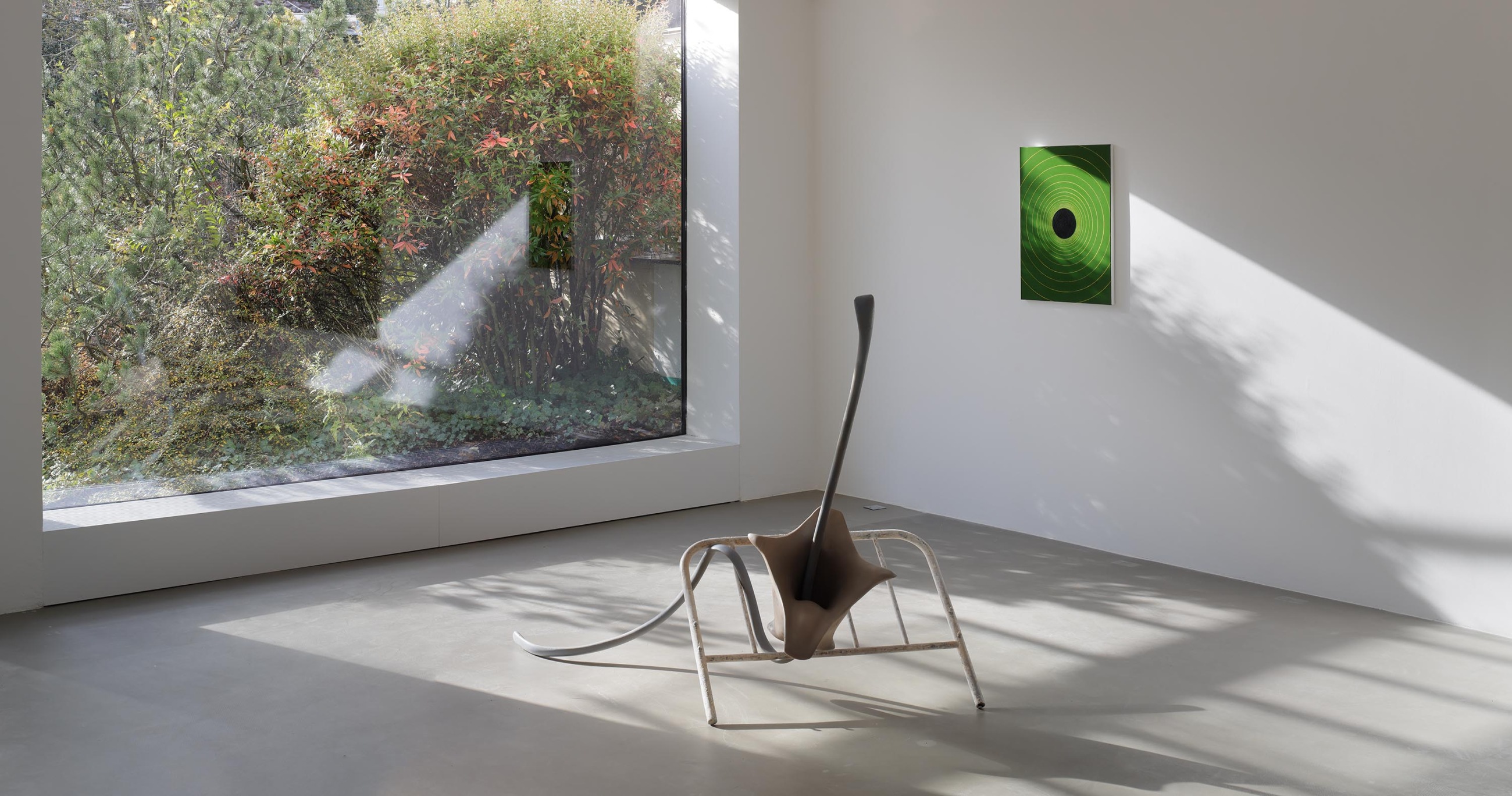
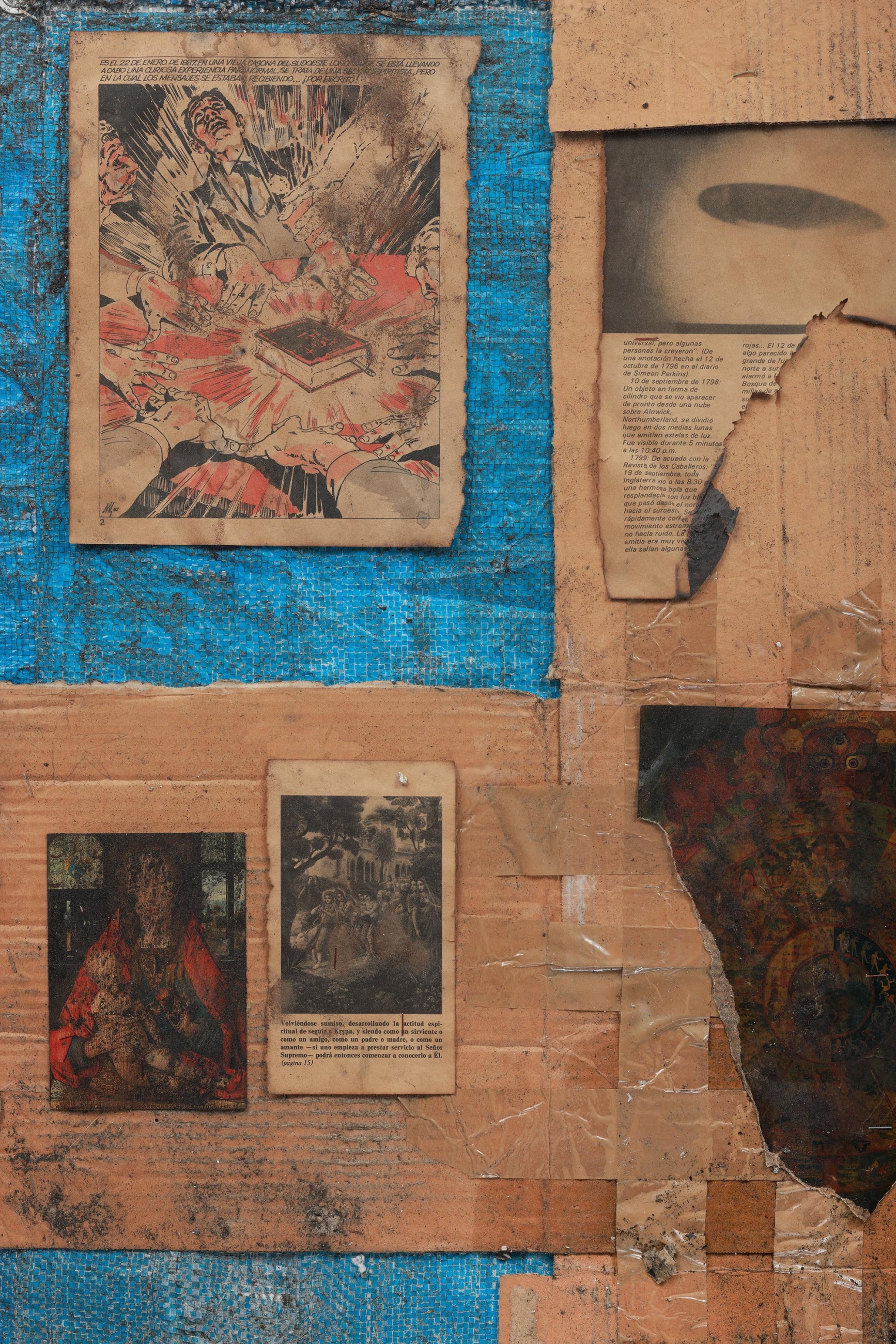
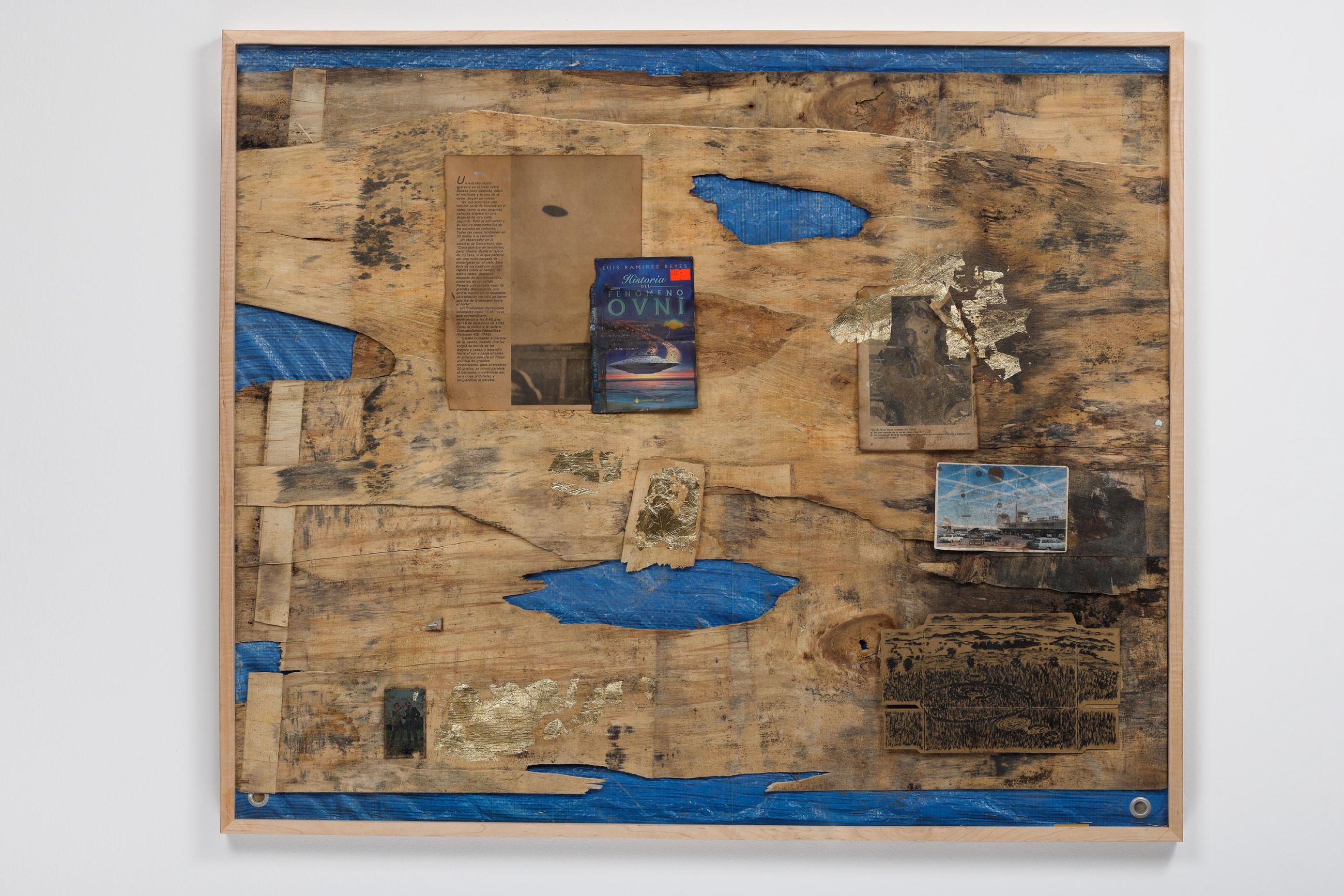
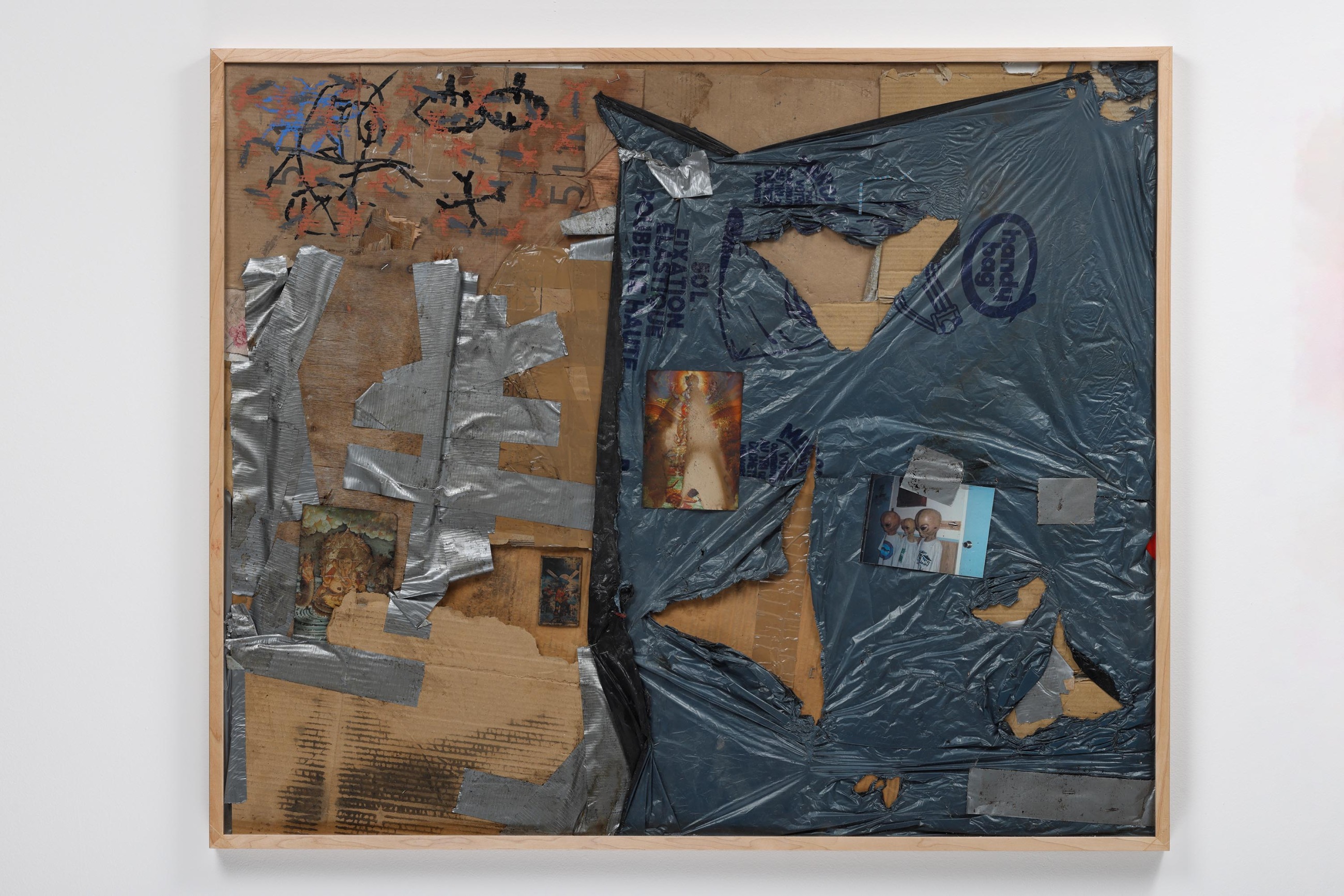
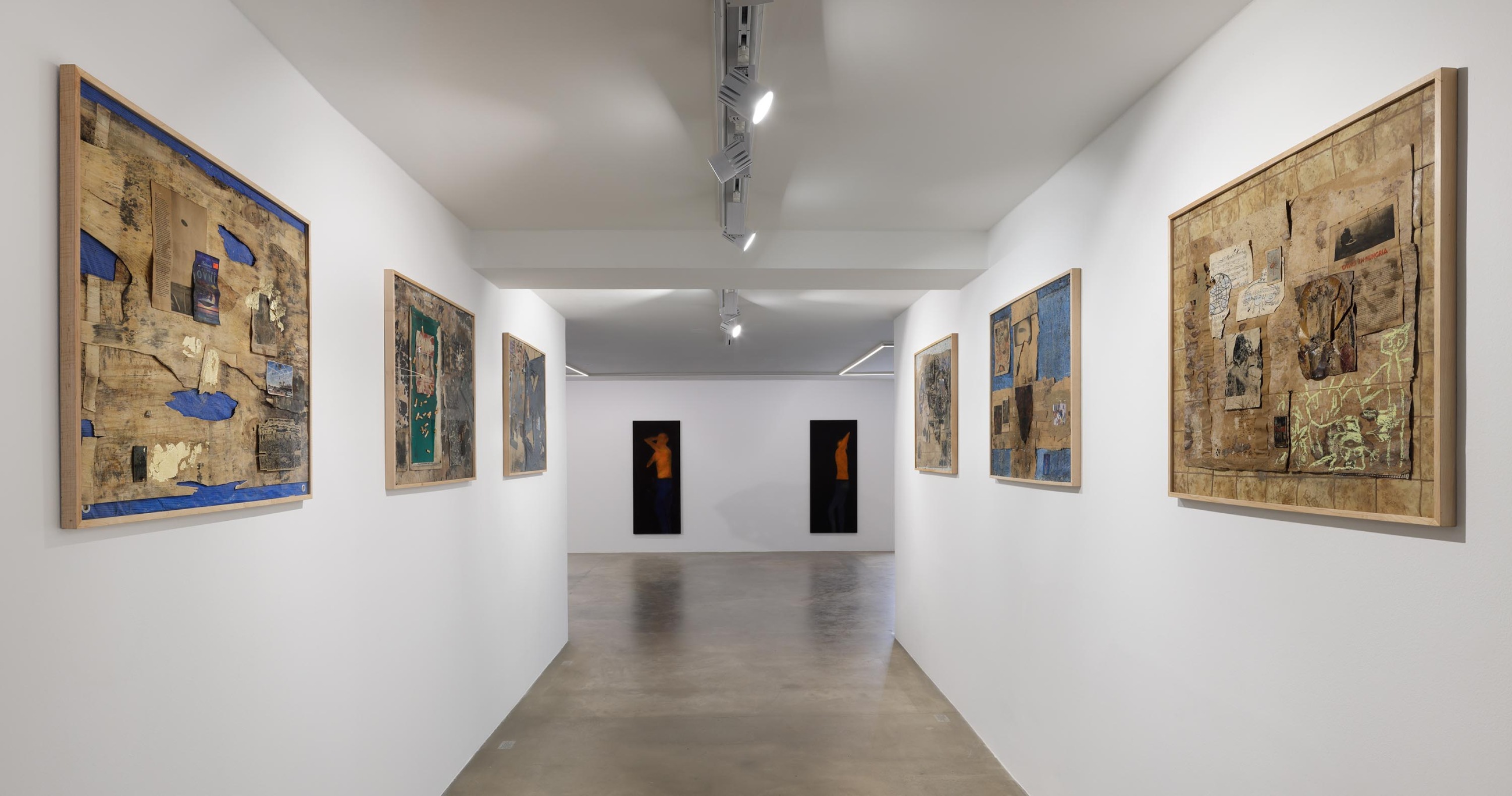
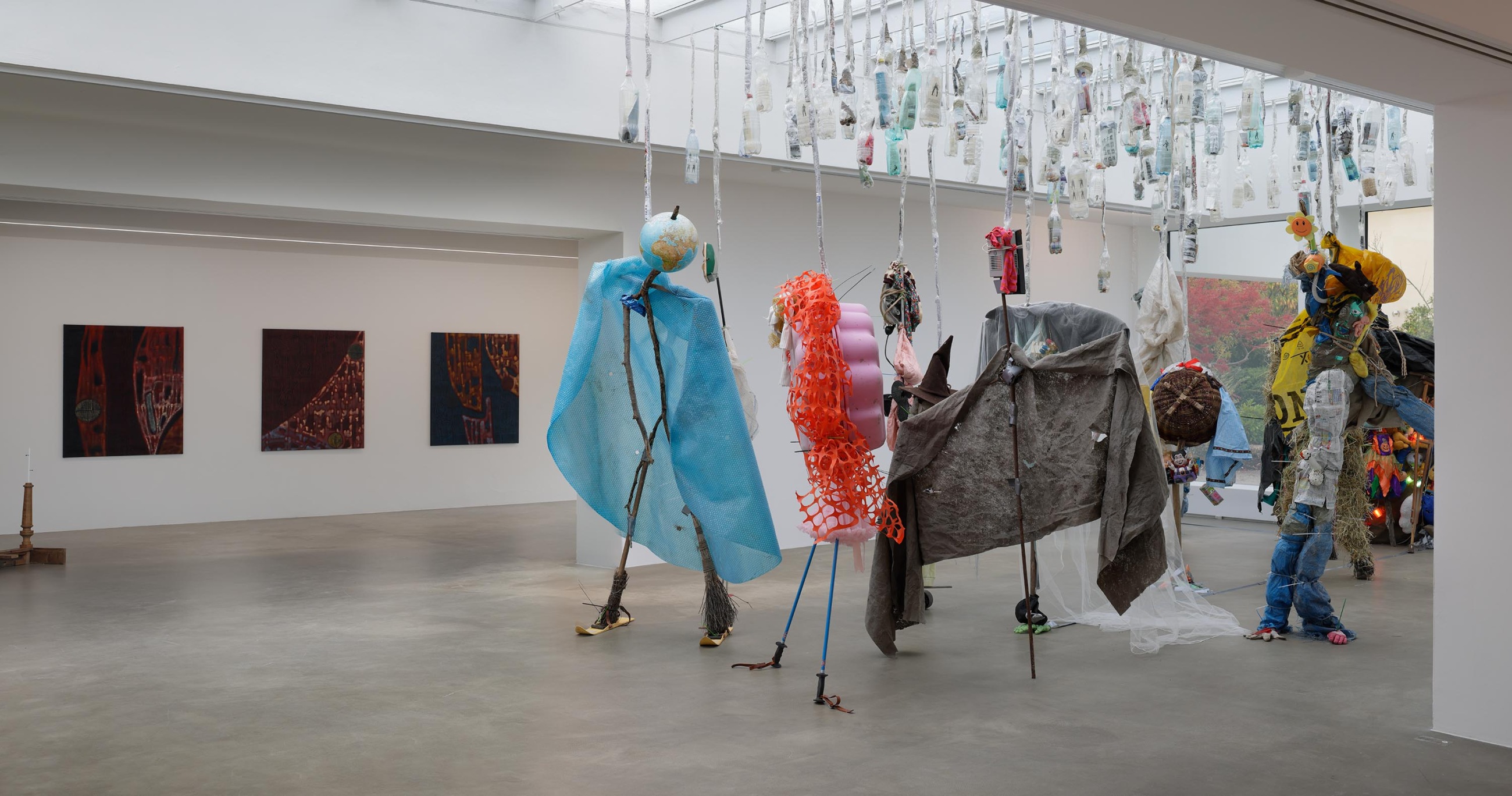
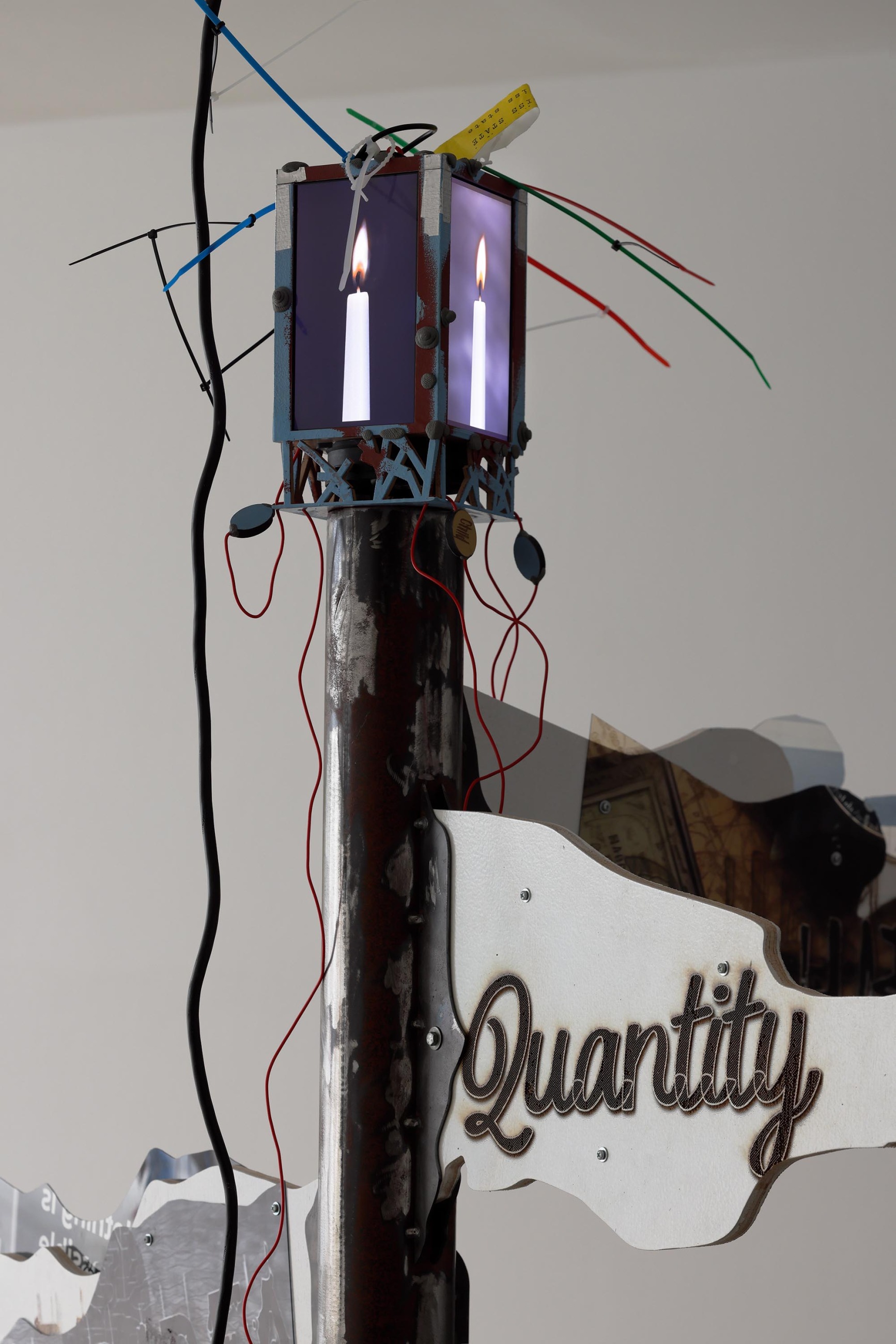
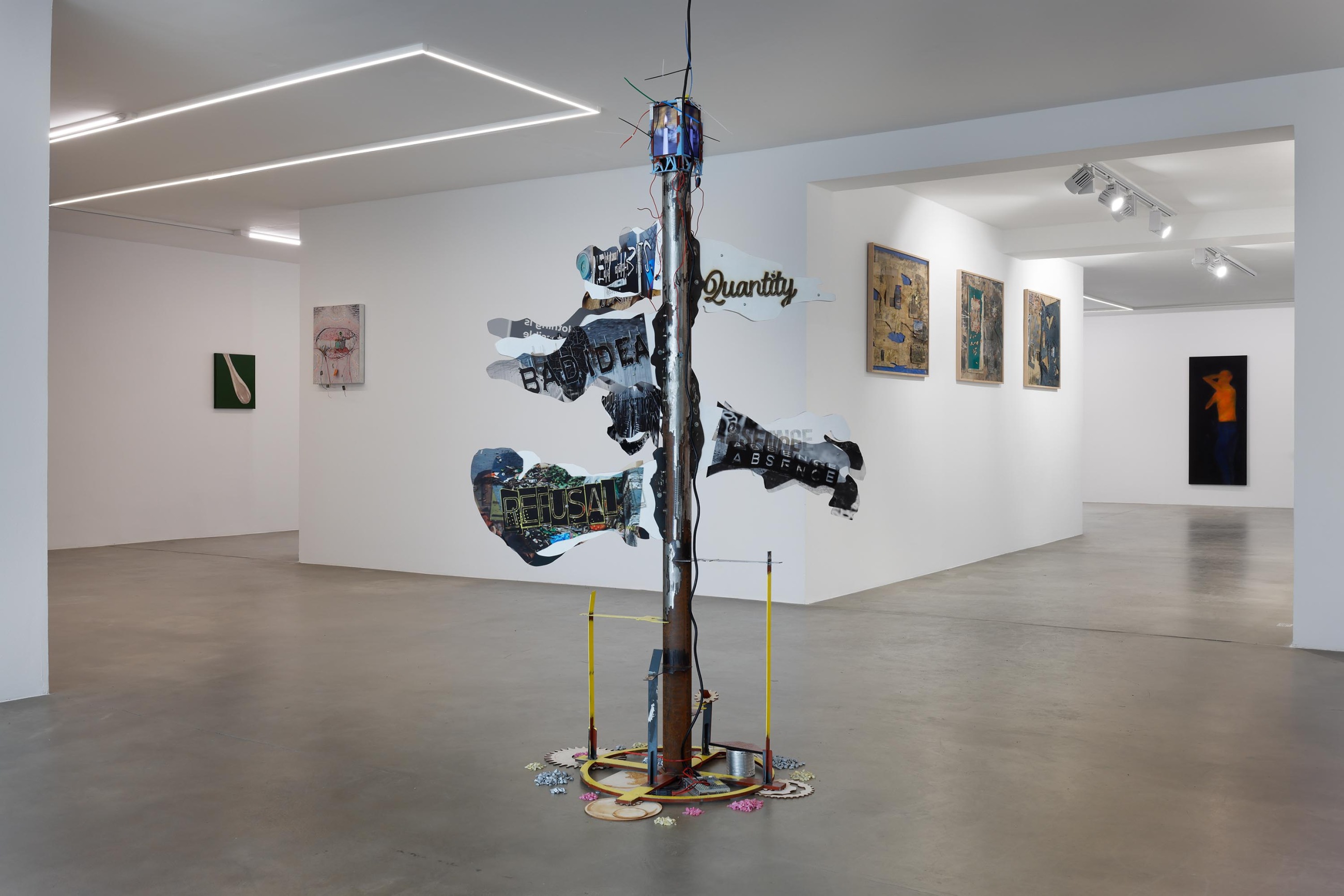
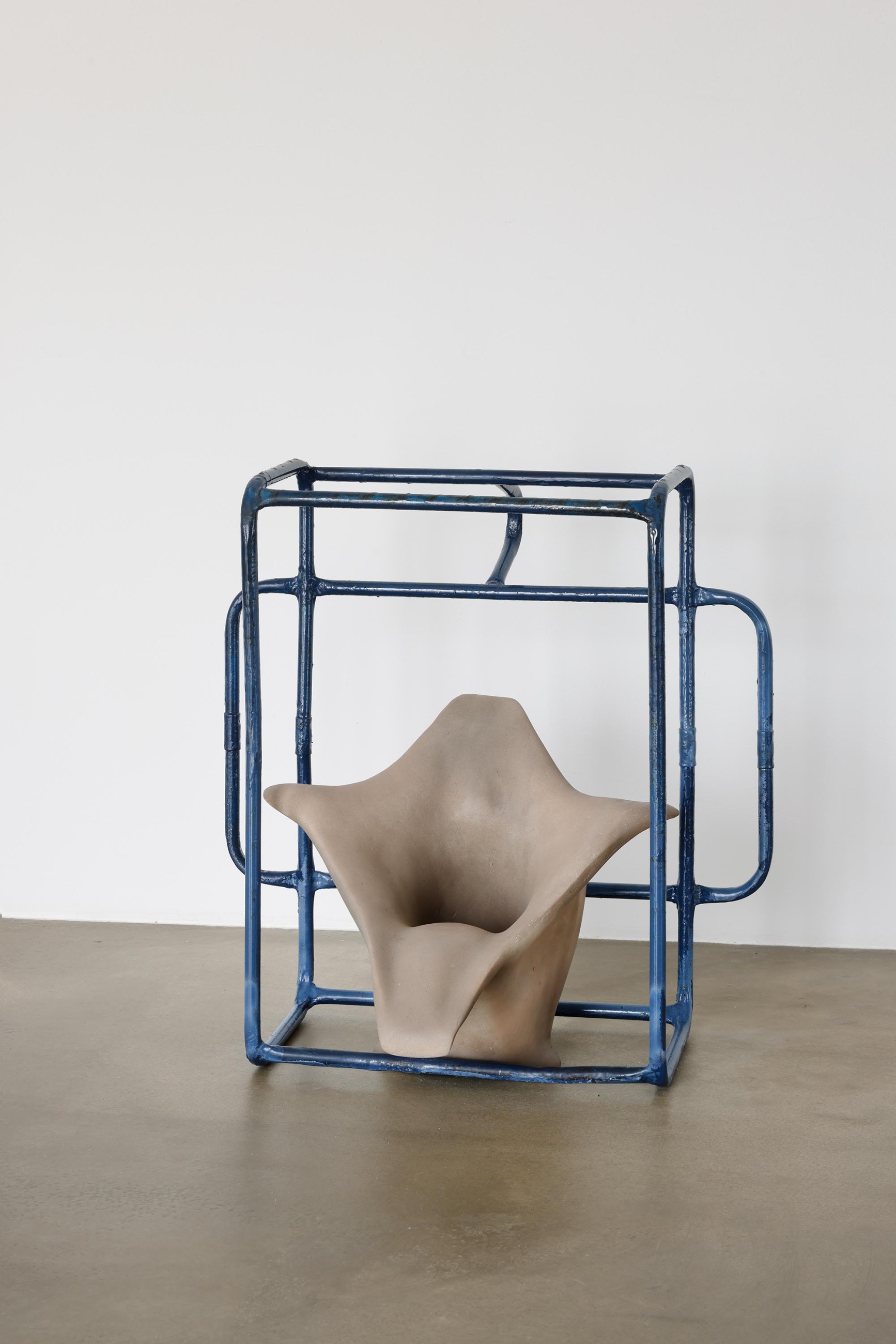
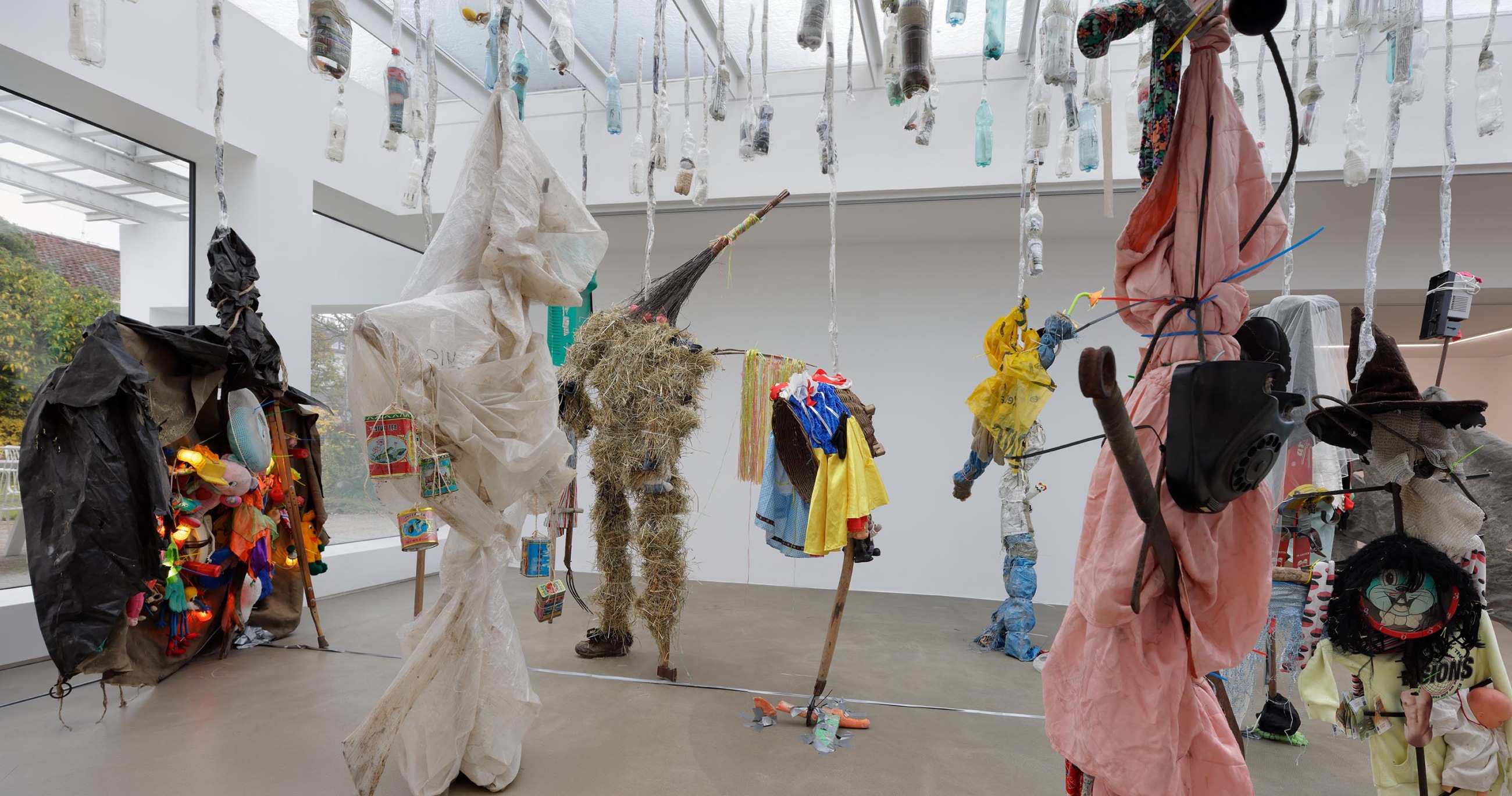
Nelson Pernisco (b. 1993) lives and works in Bobigny, within Le Wonder, a self-managed art space he co-founded. His practice develops through sculpture, installation and moving image, often using industrial, discarded and repurposed materials to construct hybrid environments shaped by ruins, speculative landscapes and forms of passage. Portals, craters, black holes and provisional architectures recur throughout his work as thresholds between visible and invisible worlds, collective memory and imagined futures. Drawing on science fiction, folklore, ritual and contemporary mythologies, Pernisco explores how figures such as aliens, zombies or supernatural presences reactivate older structures of belief and fear. His work has been presented in solo exhibitions at Villa Arson, Nice; Centre d’Art Bastille, Grenoble; White Noise Gallery, Rome; and Winzavod Center for Contemporary Art, Moscow, as well as in group exhibitions at Jeonnam Museum of Art, South Korea; MAC Lyon; CREDAC, Ivry and Palais de Tokyo, Paris.
Patricio Lima Quintana
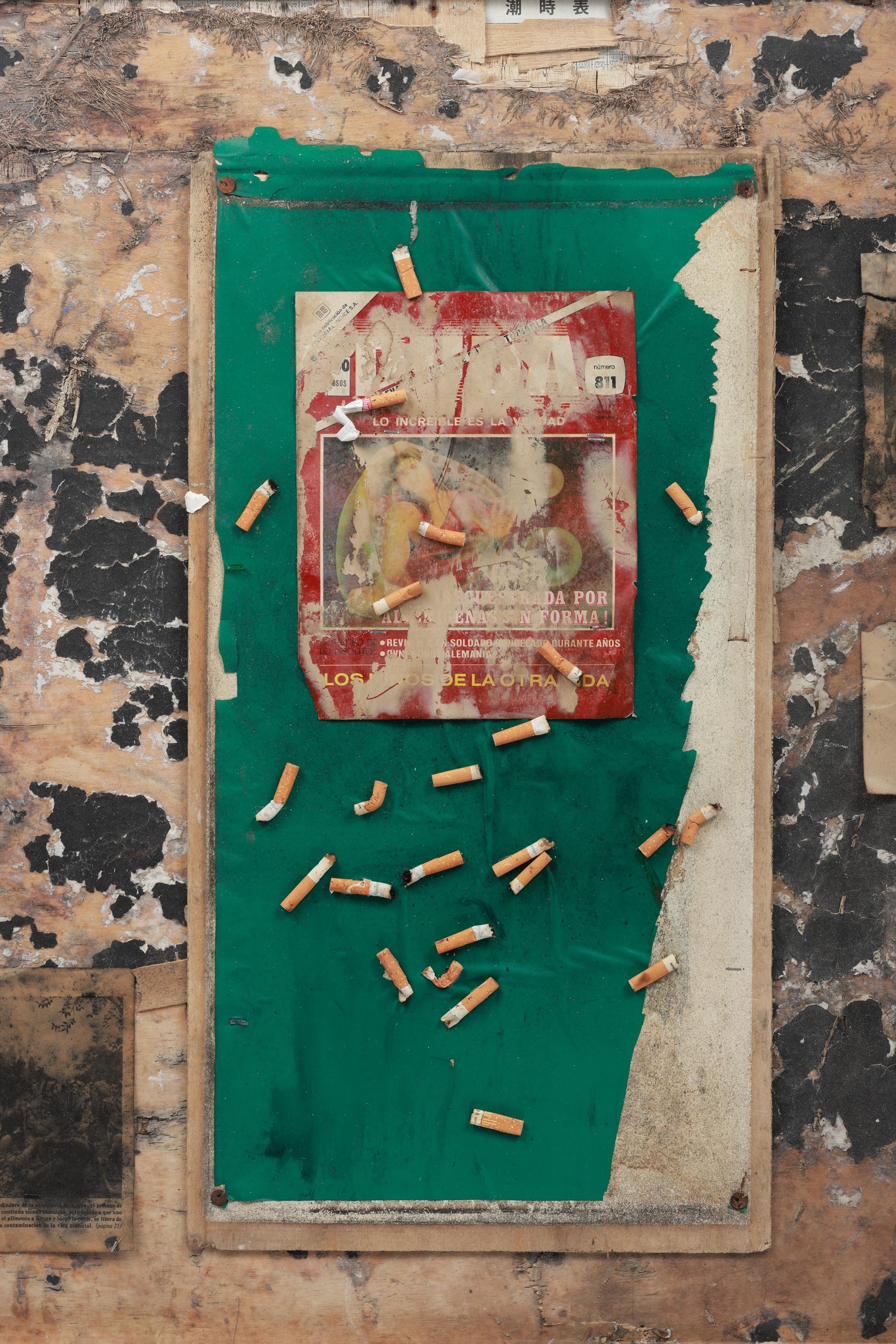
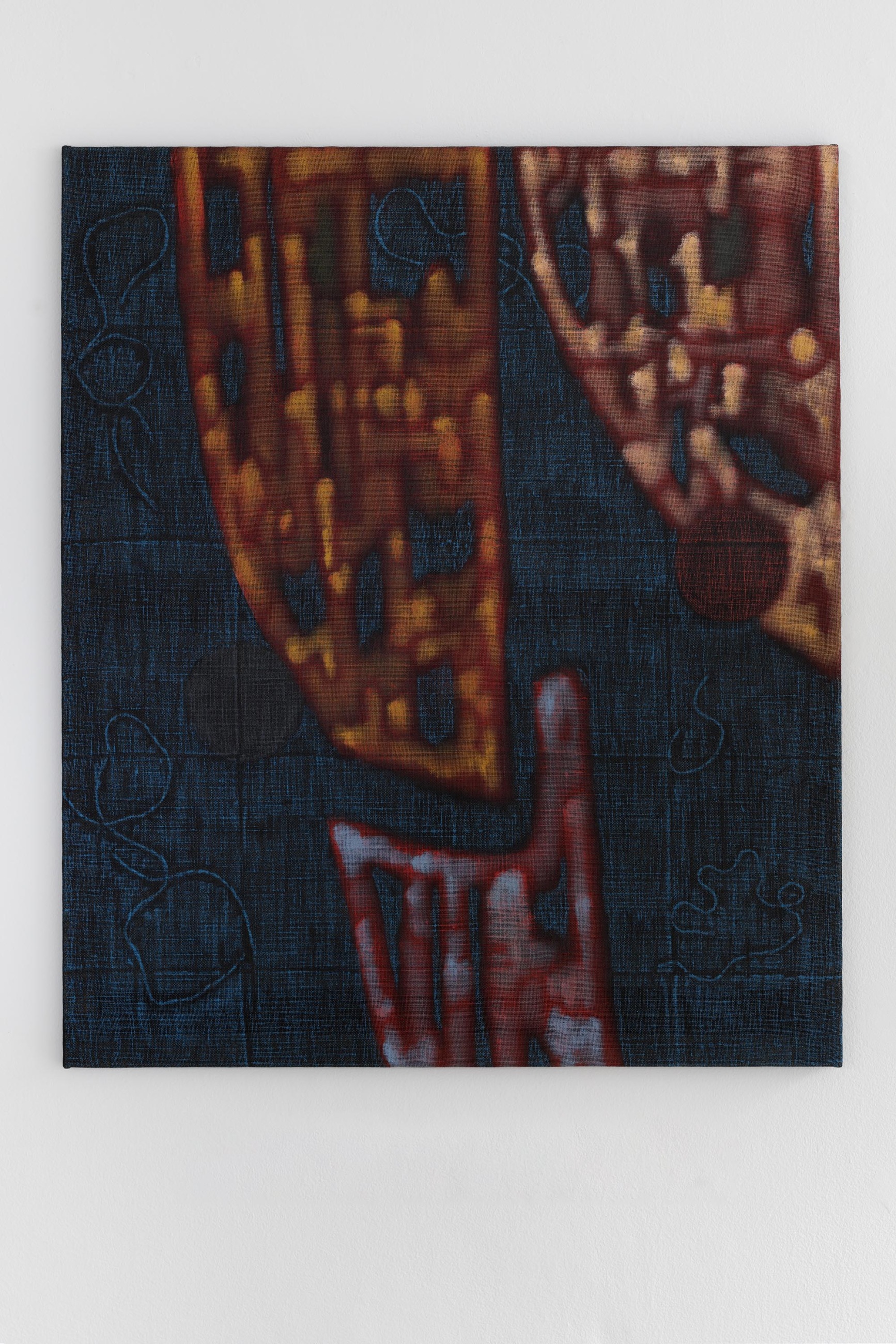
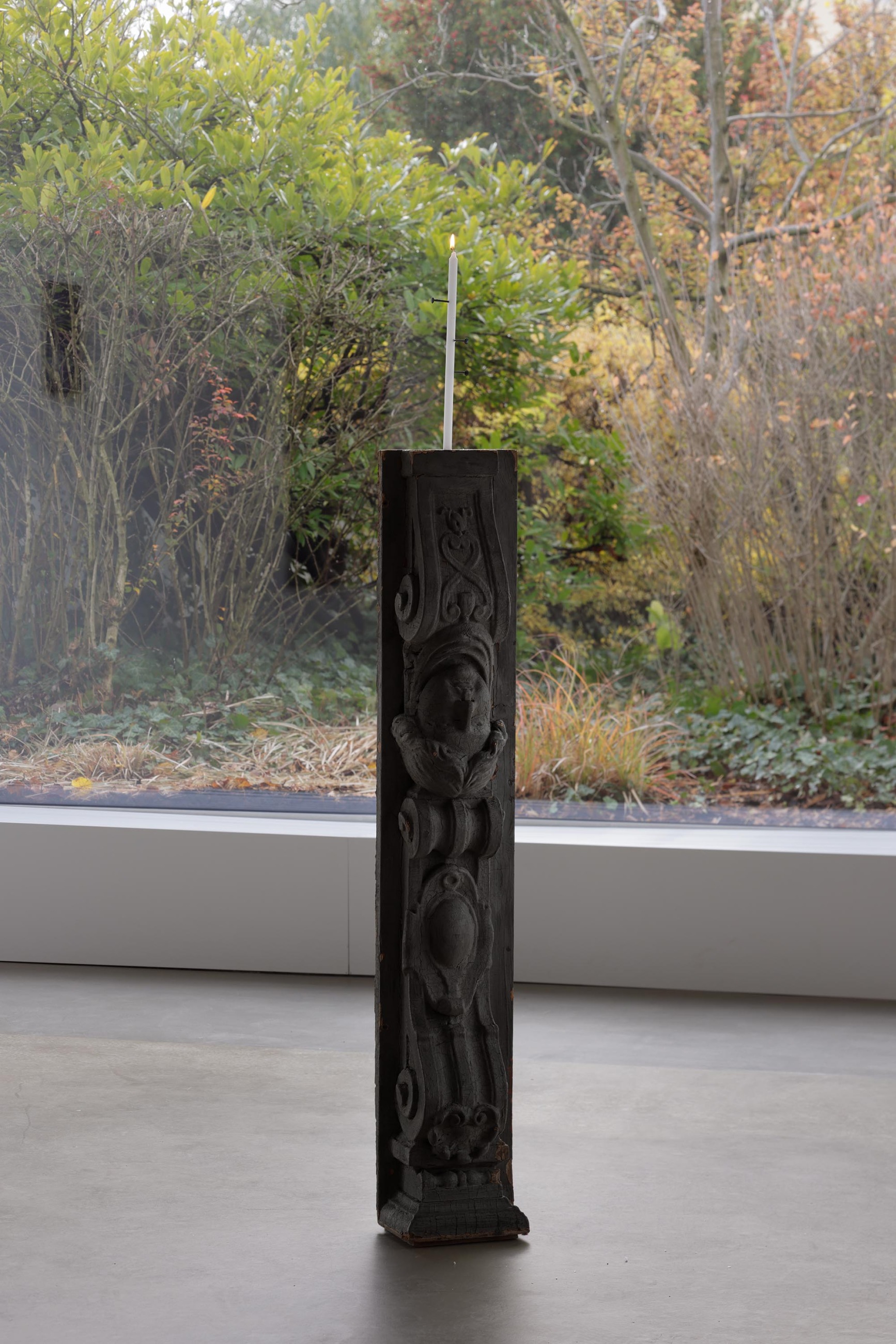
Patricio Lima Quintana (b. 1983) lives and works in Paris. Working across painting, sculpture, objects and moving image, his practice often begins with familiar objects, architectural fragments and materials whose function and symbolic charge are subtly displaced. Everyday reality becomes entangled with superstition, magic, haunting and alchemical transformation, producing situations in which the ordinary acquires an ambiguous presence. His work has been presented at Kunsthalle Zürich and in exhibitions at SALTS, Birsfelden; Fitzpatrick Gallery, Paris; Galerie Allen, Paris; and Clearing, Brussels.
Hadrien Jacquelet
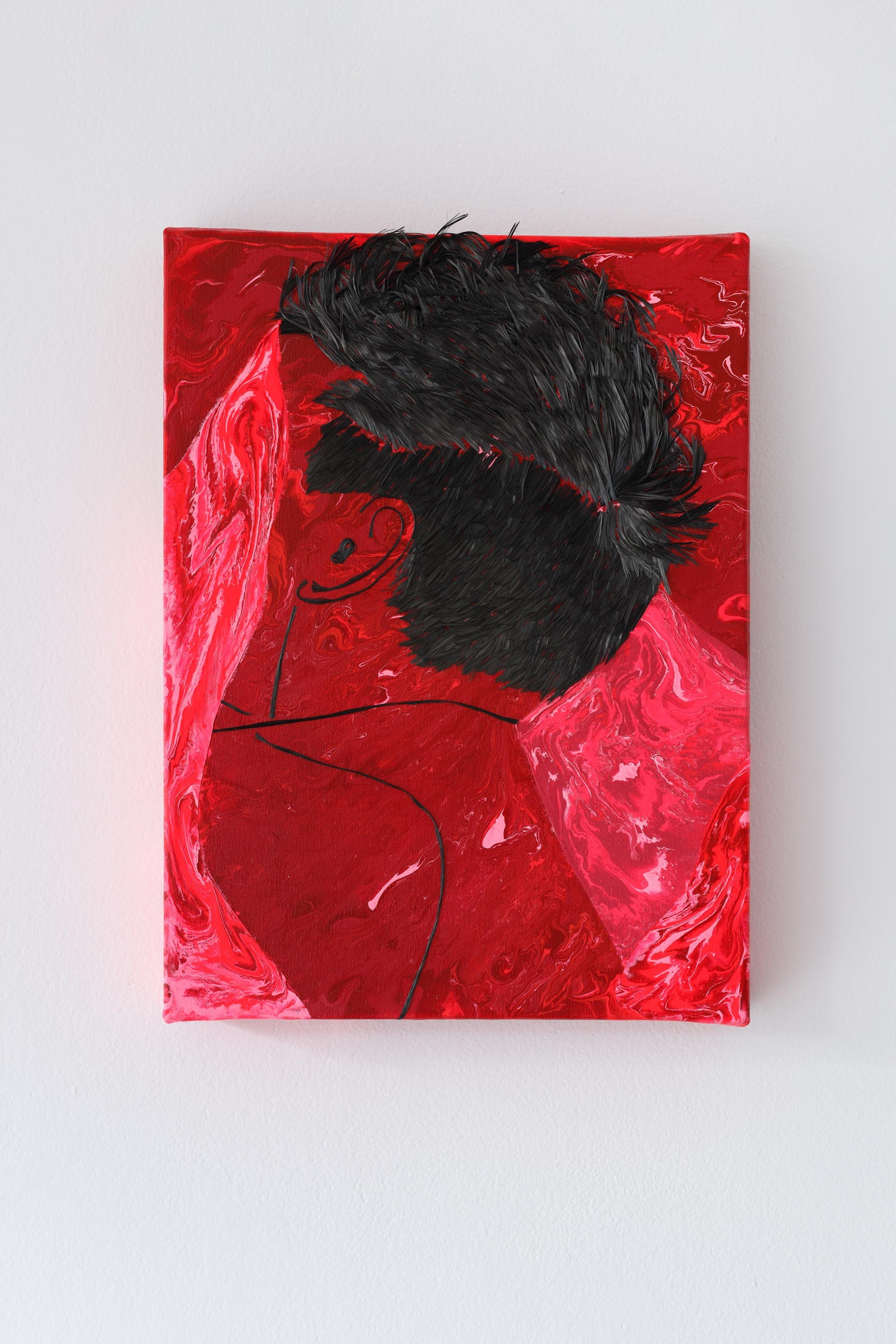
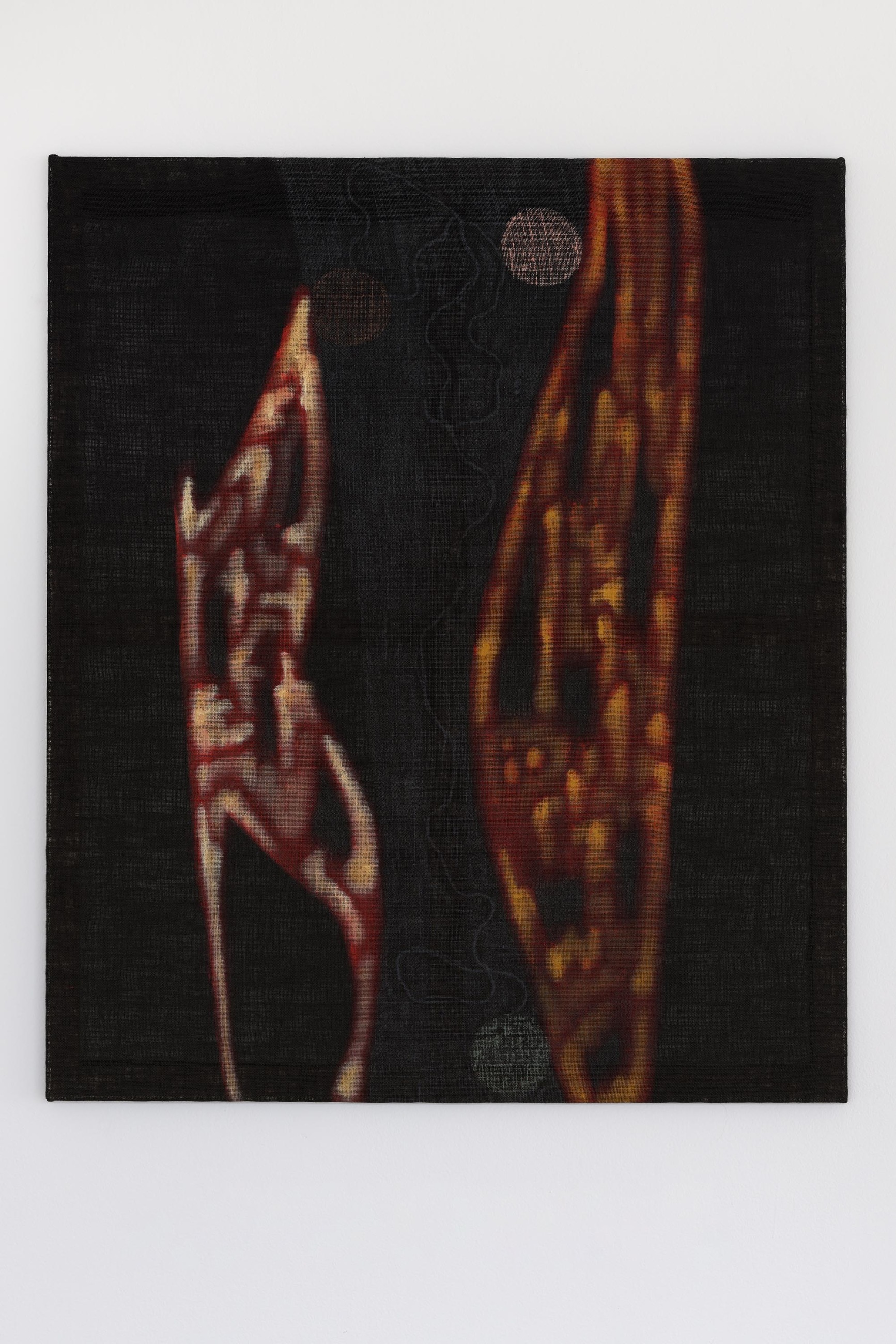
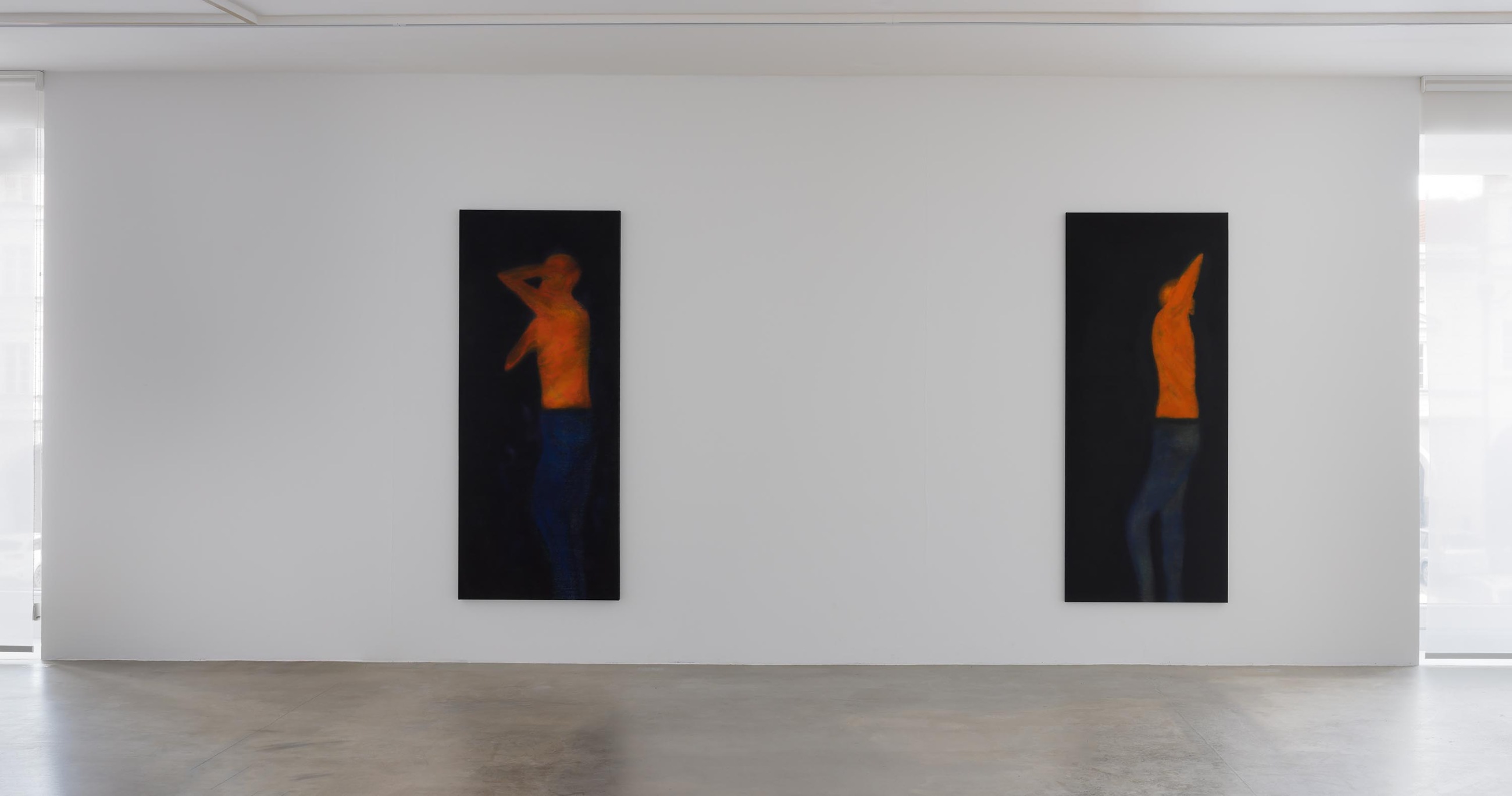
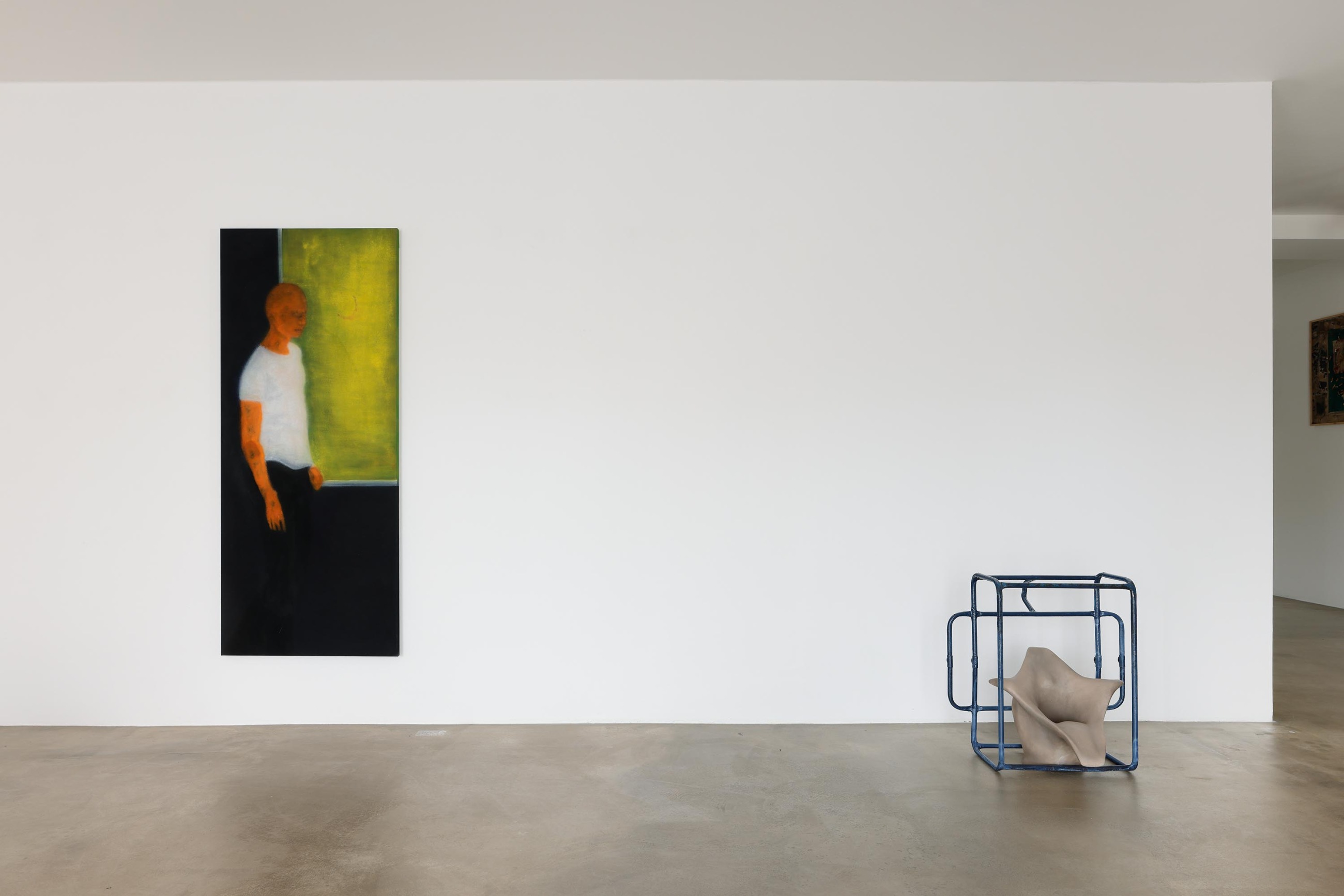
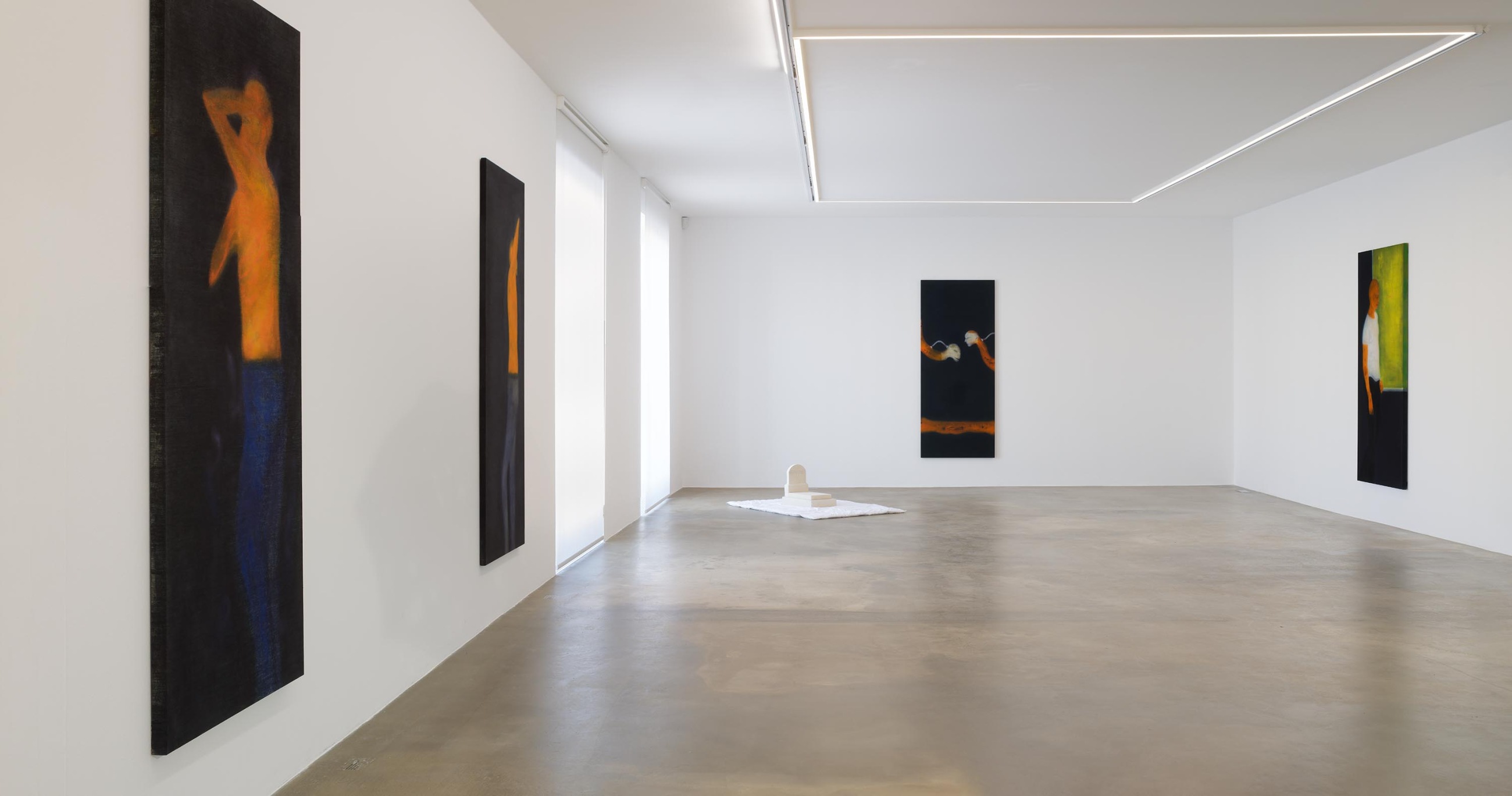
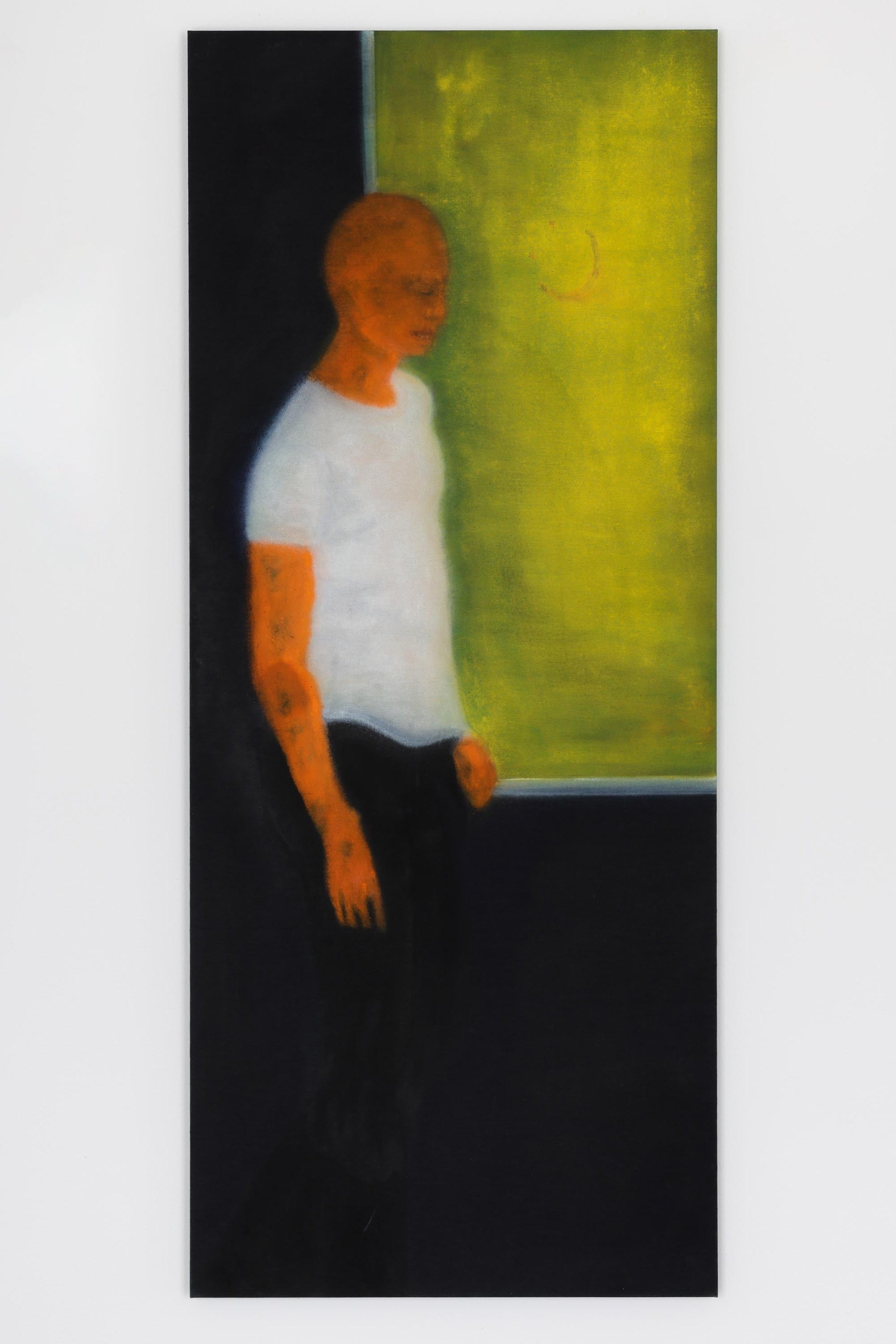
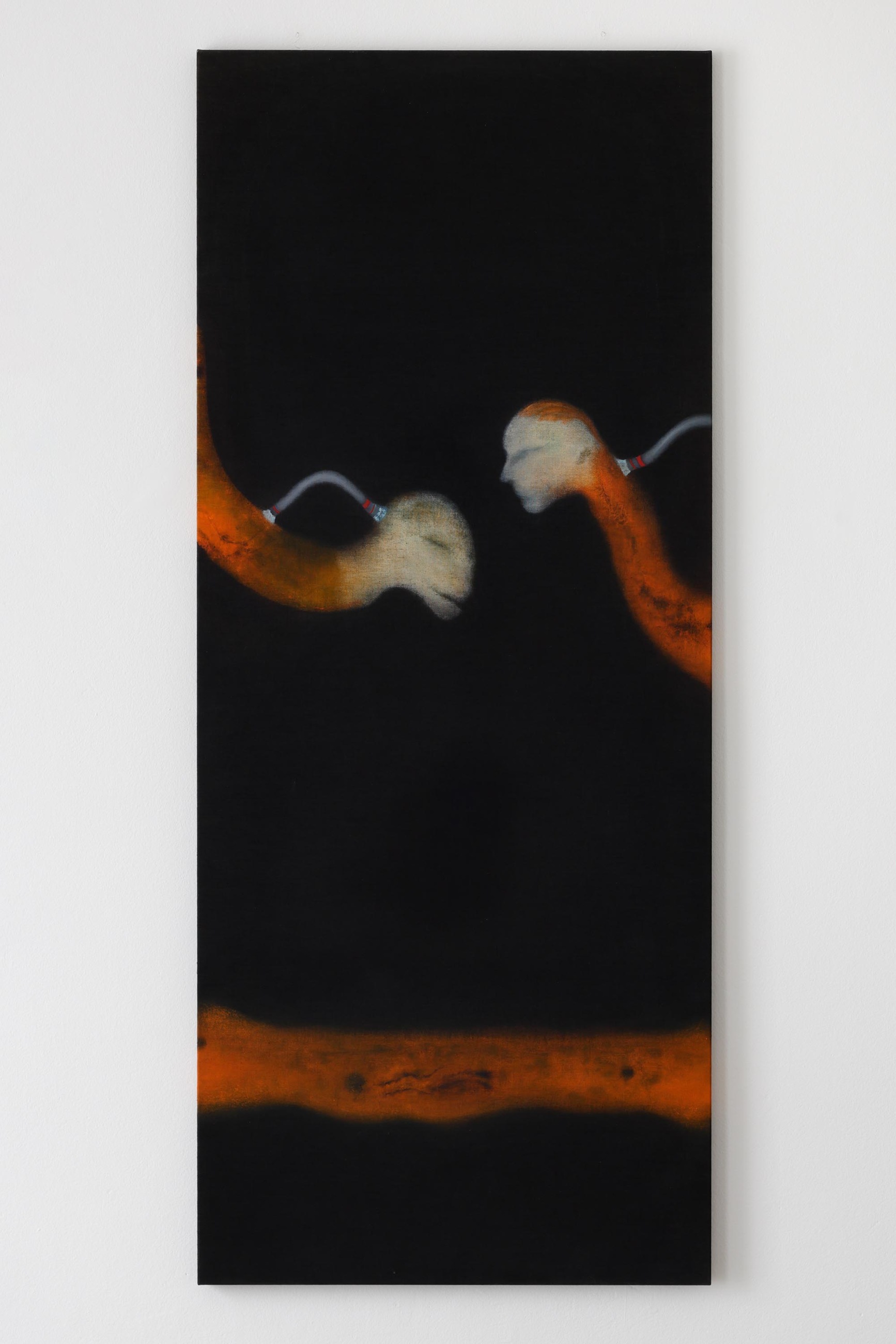
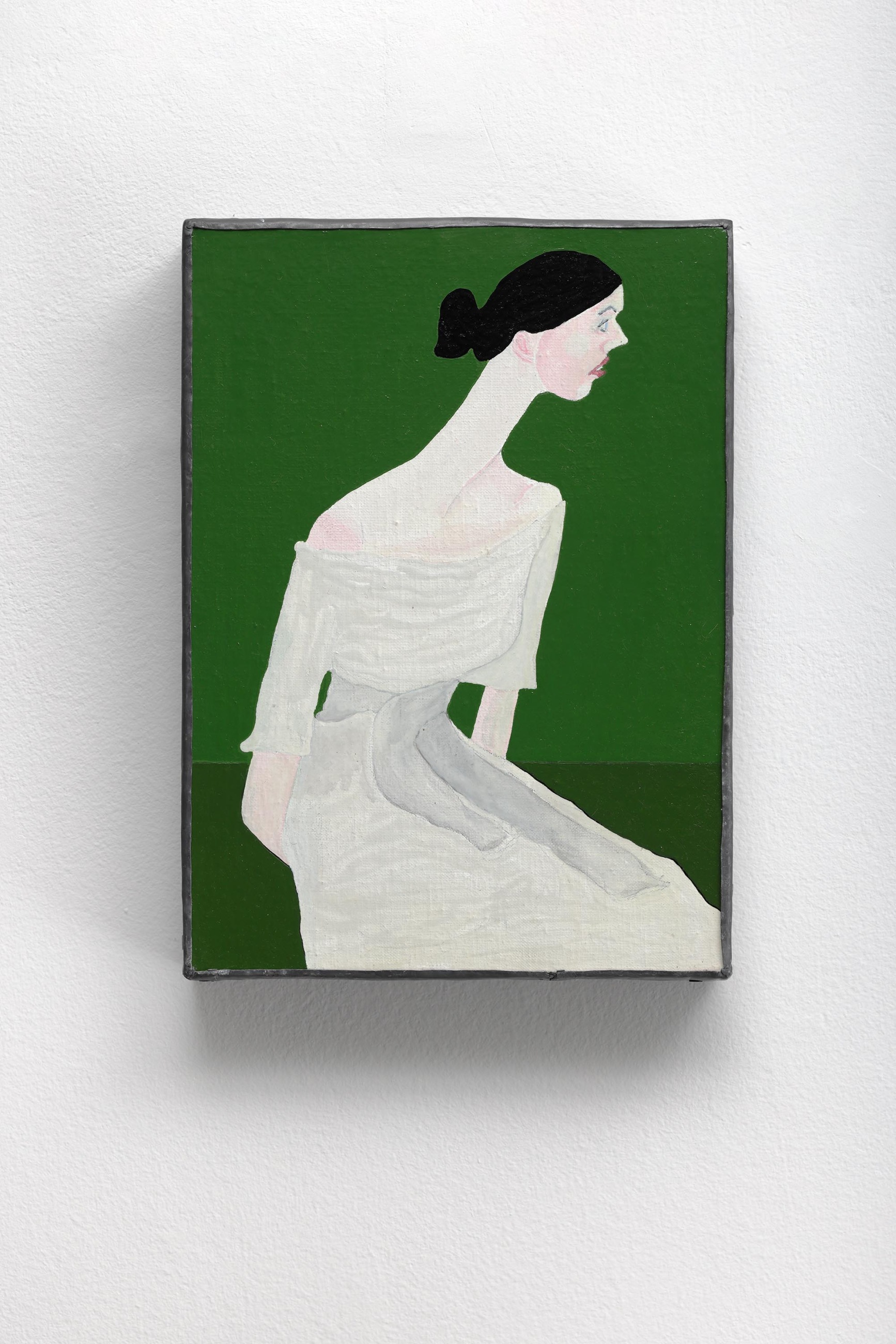
Hadrien Jacquelet (b. 1987) is a French figurative painter based in Paris. His portraits of friends, cultural and controversial figures, and himself move between likeness and distortion, treating the human figure as something simultaneously recognisable and strangely synthetic. Drawing on the history of portraiture as well as contemporary image culture, his paintings often begin with an existing figure only to destabilise it through the act of painting. His work has been presented in exhibitions in Paris, Los Angeles, Berlin and Milan, including projects at Del Vaz Projects, Los Angeles; Profil, Paris; and One Wall Gallery, Paris.
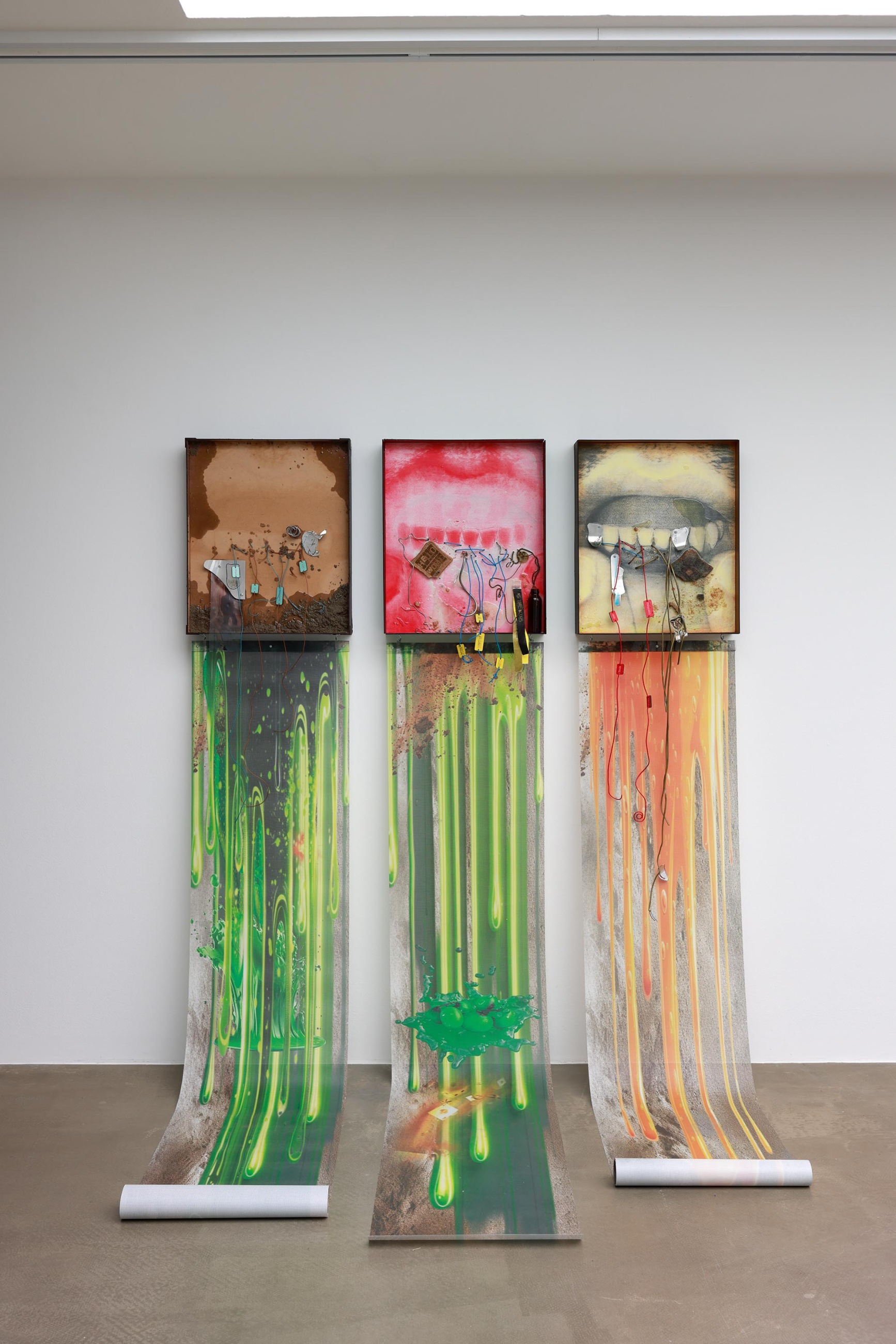
Jakub Choma
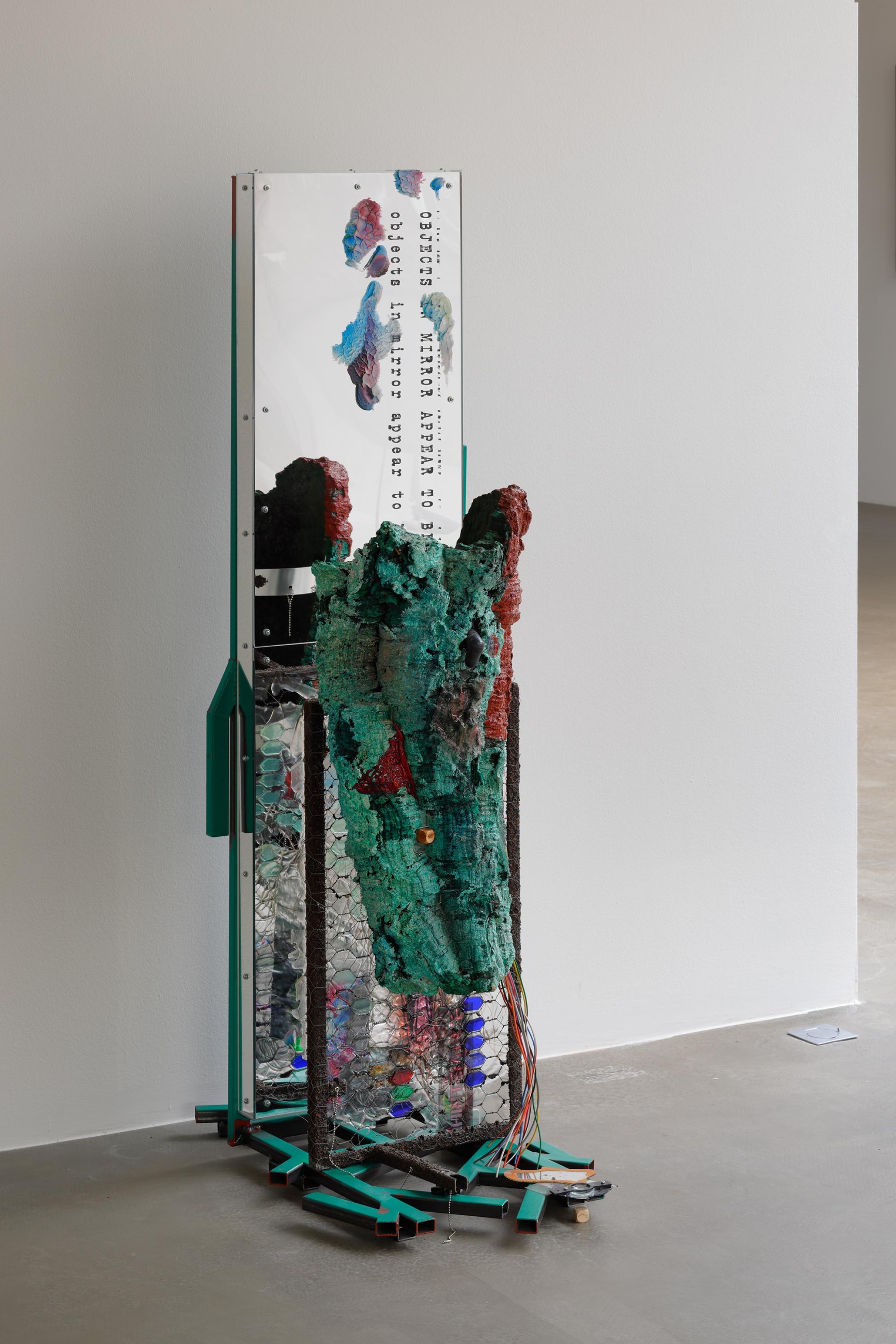
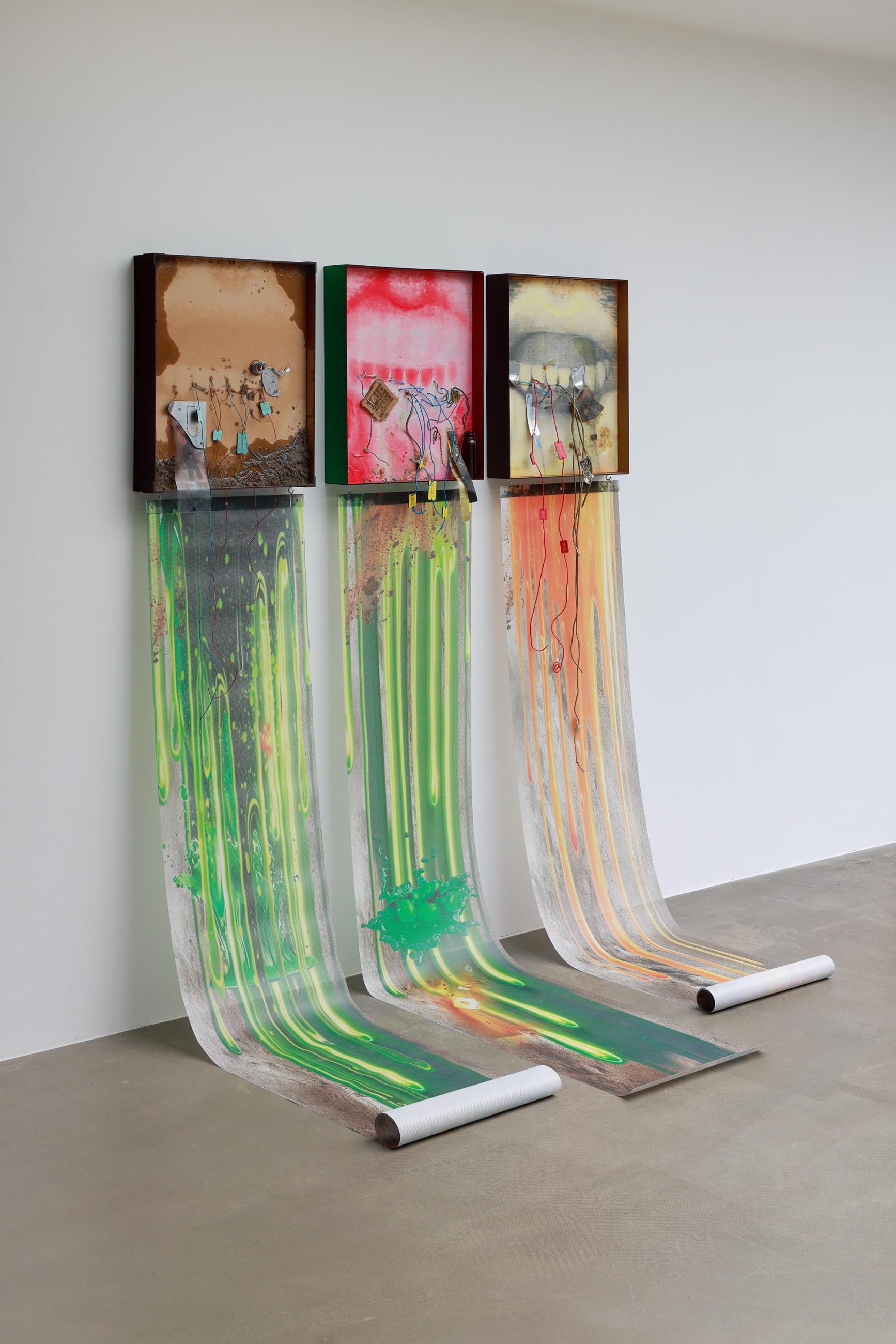
Jakub Choma (b. 1995, Košice) lives and works in Prague. He creates installations and assemblages that translate the structures of digital culture into physical space. Cork, plexiglass, aluminium, electronic components, rubble, UV printing, video and sound form environments informed by gaming, media theory and technological infrastructure. Moving between the logic of the interface and that of architecture, his work examines how digital systems shape physical experience, behaviour and perception. Recent institutional presentations include Heidelberger Kunstverein; Contemporary Art Centre Vilnius; Kunsthalle Praha; National Gallery Prague; MeetFactory, Prague; MODEM Centre for Modern and Contemporary Arts, Debrecen; and Brno House of Arts.
Radek Brousil
Radek Brousil (b. 1980, Nitra) lives and works in Prague. His practice moves across installation, textiles, film, photography, video and painting, addressing social, cultural and environmental questions through unexpected shifts in material, language and perspective. In recent years, his work has increasingly focused on the politics of time, exploring how ecological and social crises reshape our understanding of the present and possible futures. He studied photography at the Academy of Arts, Architecture and Design in Prague and at Concordia University in Montreal under Raymonde April. In 2015, he received the Oskár Čepan Award. His work has been presented at the National Gallery Prague, Prague City Gallery, FUTURA Centre for Contemporary Art in Prague, Fonderie Darling in Montreal and Krupa Gallery in London.
Natalie Perkof
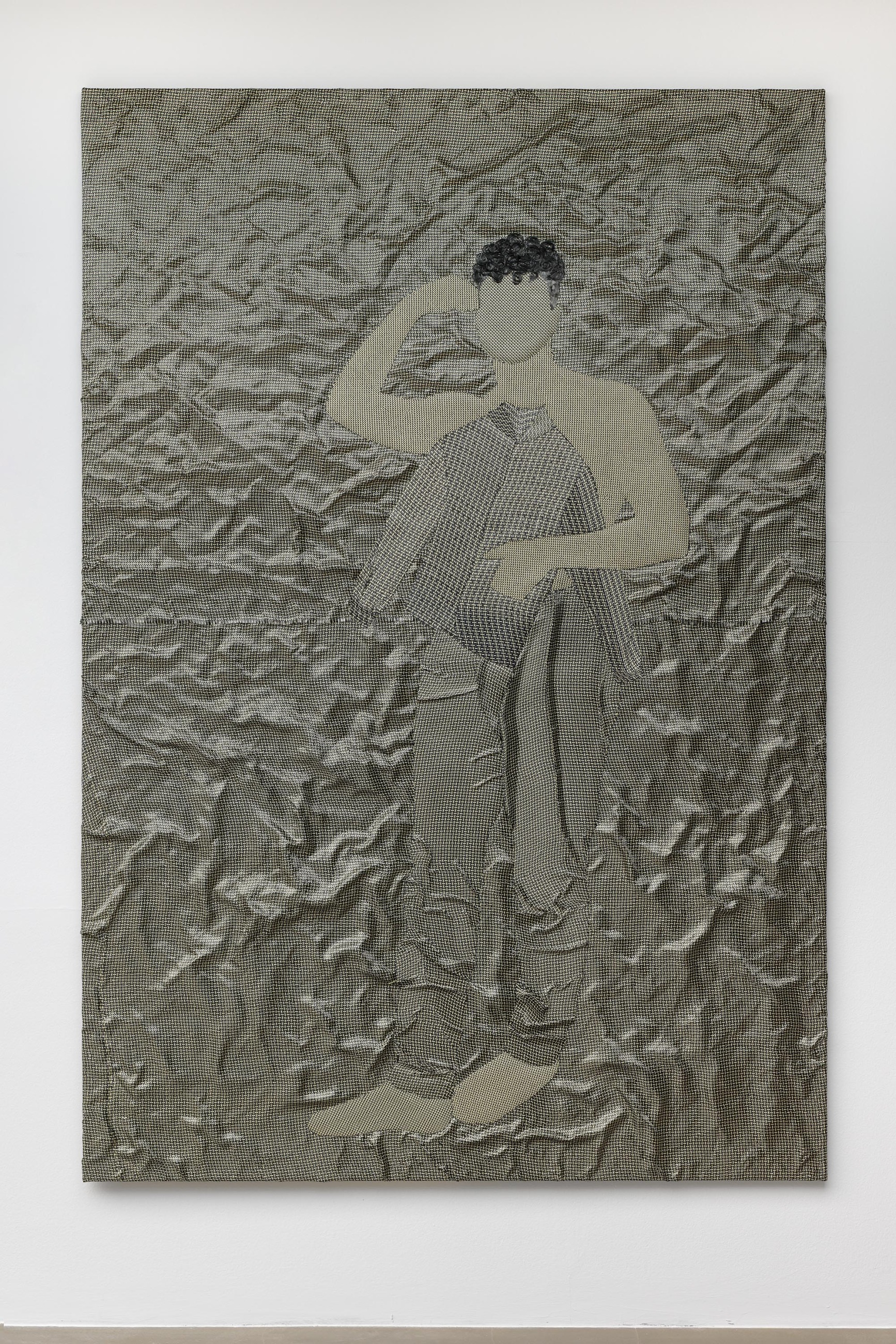
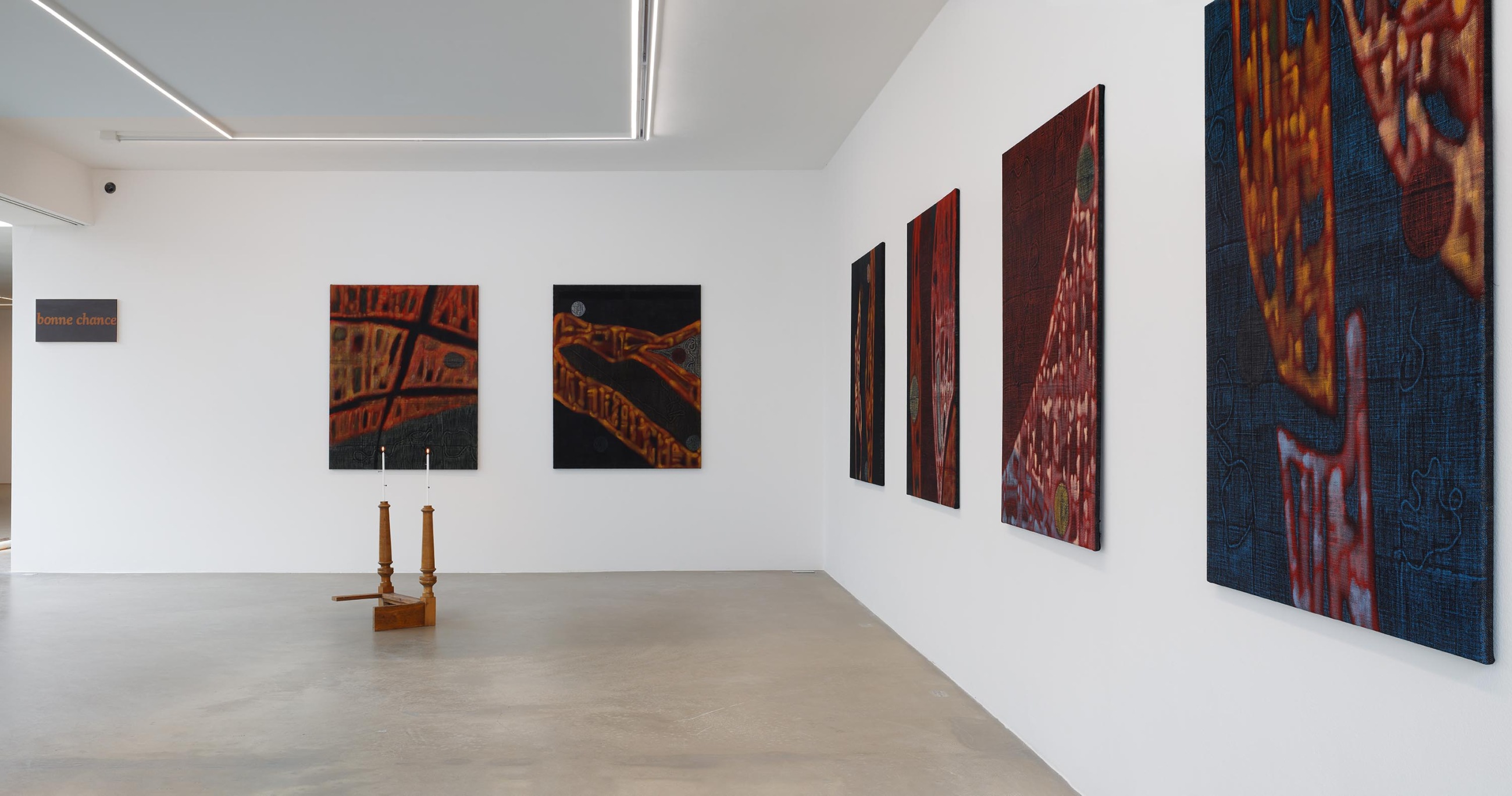
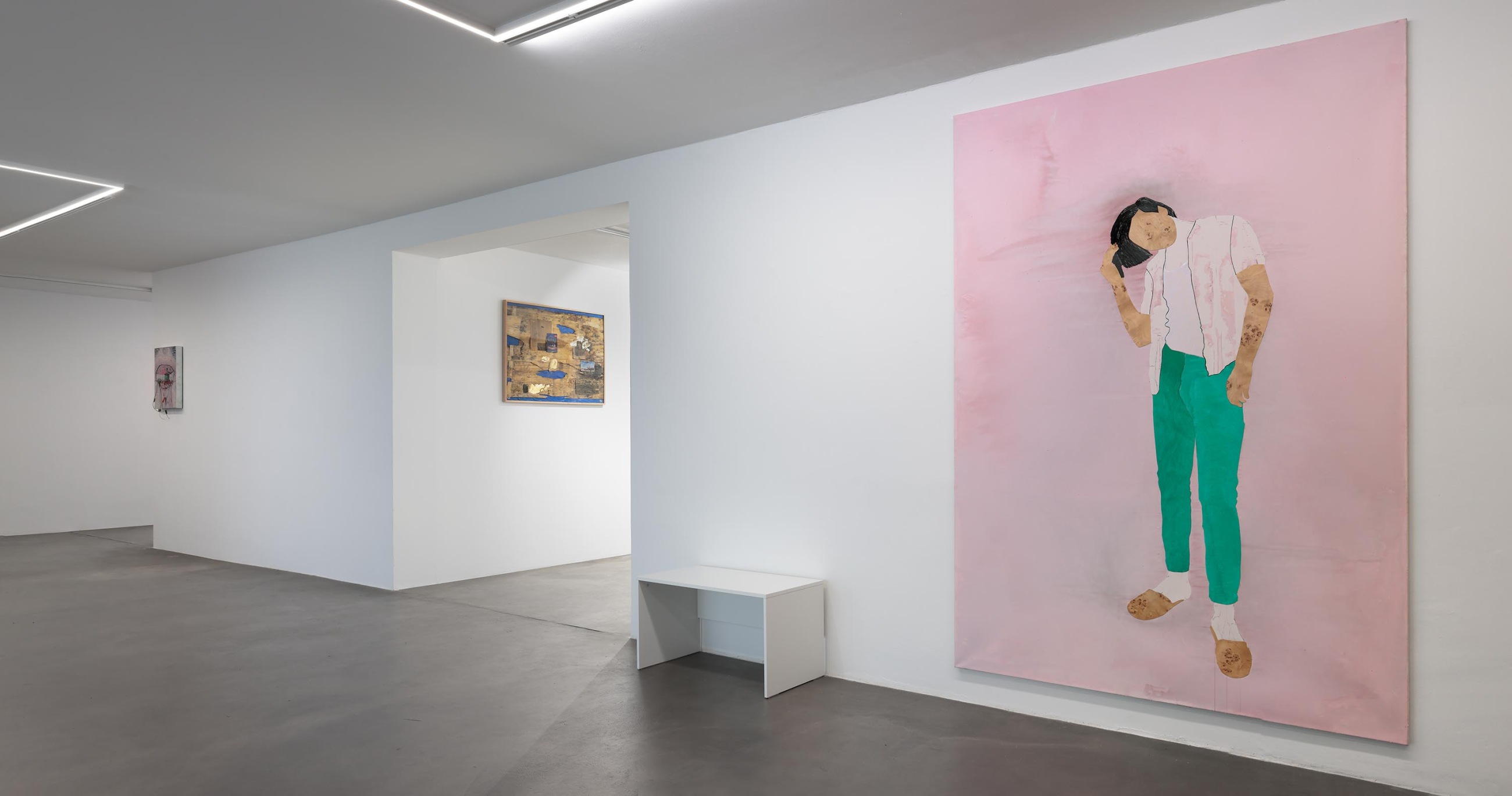
Natalie Perkof (b. 1979, Uherský Brod) lives and works in Brno. Her practice expands painting through wood, textile structures and industrial materials, particularly carbon and carbon-aramid fibres. Questions of identity, the body, landscape and material culture intersect with an ongoing interest in the relationship between organic structures and technologically engineered surfaces. Her experience of textile traditions in Ghana has informed her experimentation with materials whose woven structures originate instead in automotive and aerospace production. Her work has been presented at National Gallery Prague as part of the 2024 Biennale Matter of Art, the Gallery of Modern Art in Roudnice nad Labem, Brno House of Arts and Hrdlička Museum of Man in Prague.